
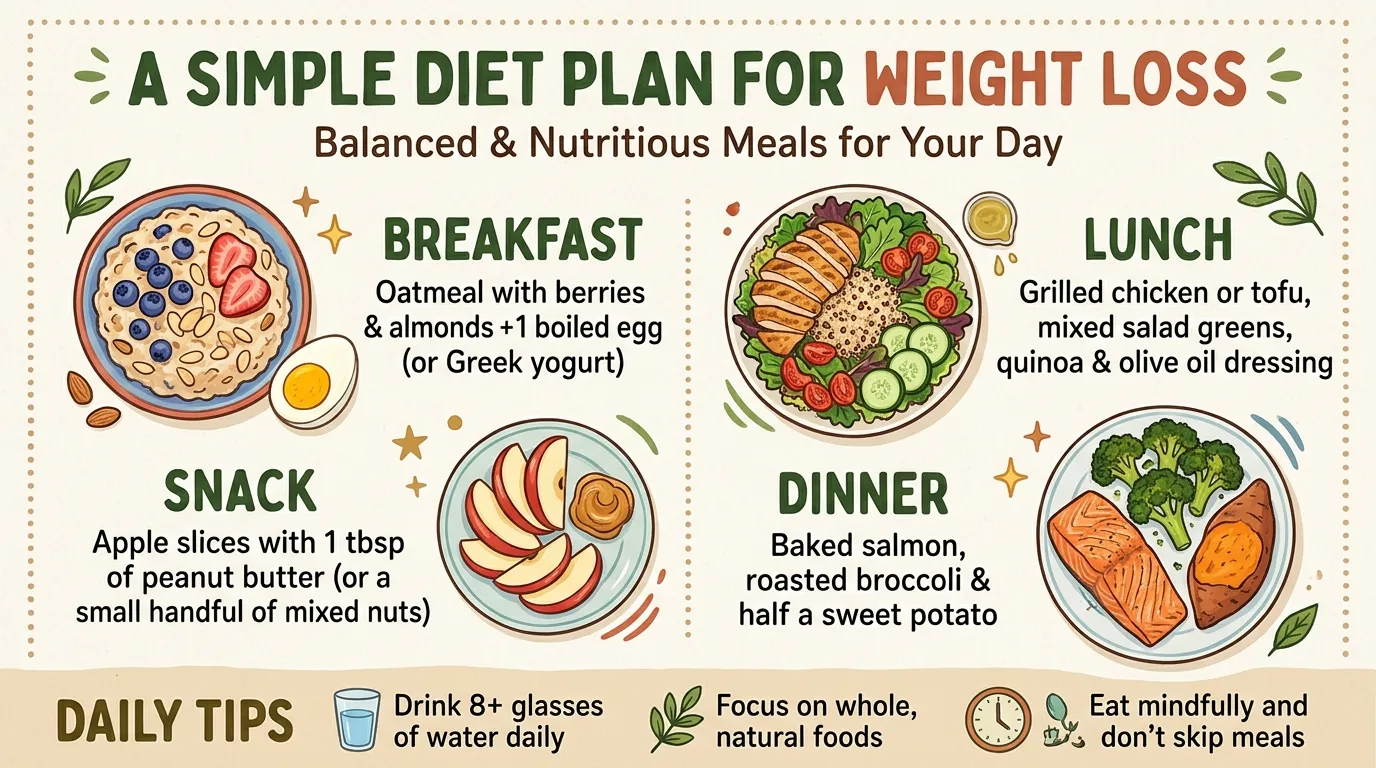
Creating a healthy eating routine can feel challenging when you are surrounded by different food choices, busy schedules and confusing diet advice. Many people believe that managing their weight requires skipping meals, avoiding favorite foods or following strict eating rules. However, a balanced approach to nutrition can be much easier to maintain and more supportive of overall health.
A simple Diet Plan for Weight Loss focuses on including a variety of nutritious foods in everyday meals. Instead of eliminating entire food groups, it encourages balanced portions of vegetables, fruits, whole grains, protein-rich foods and healthy fats. These ingredients provide important nutrients that support energy levels, digestion and normal body functions.
Another advantage of balanced eating is flexibility. You do not need expensive ingredients, complicated recipes or completely separate meals for every family member. Everyday foods such as eggs, oats, yogurt, lentils, chicken, vegetables, rice and whole-wheat roti can all be part of a nutritious eating pattern.
However, healthy eating is not about following a perfect menu every day. Your nutritional needs depend on factors such as age, activity level, health conditions and personal preferences. A suitable eating routine should provide enough food and energy rather than relying on severe restrictions or skipped meals.
This guide explains how to build balanced meals, choose nutritious ingredients, organize a practical weekly eating schedule and develop healthy food habits that can support your overall well-being.
Understanding How a Balanced Diet Supports Weight Management
A balanced diet includes different food groups that provide the nutrients your body needs to function properly.
Rather than focusing on individual foods or quick results, a healthy eating pattern emphasizes variety, regular meals and appropriate portions.
Include Different Food Groups
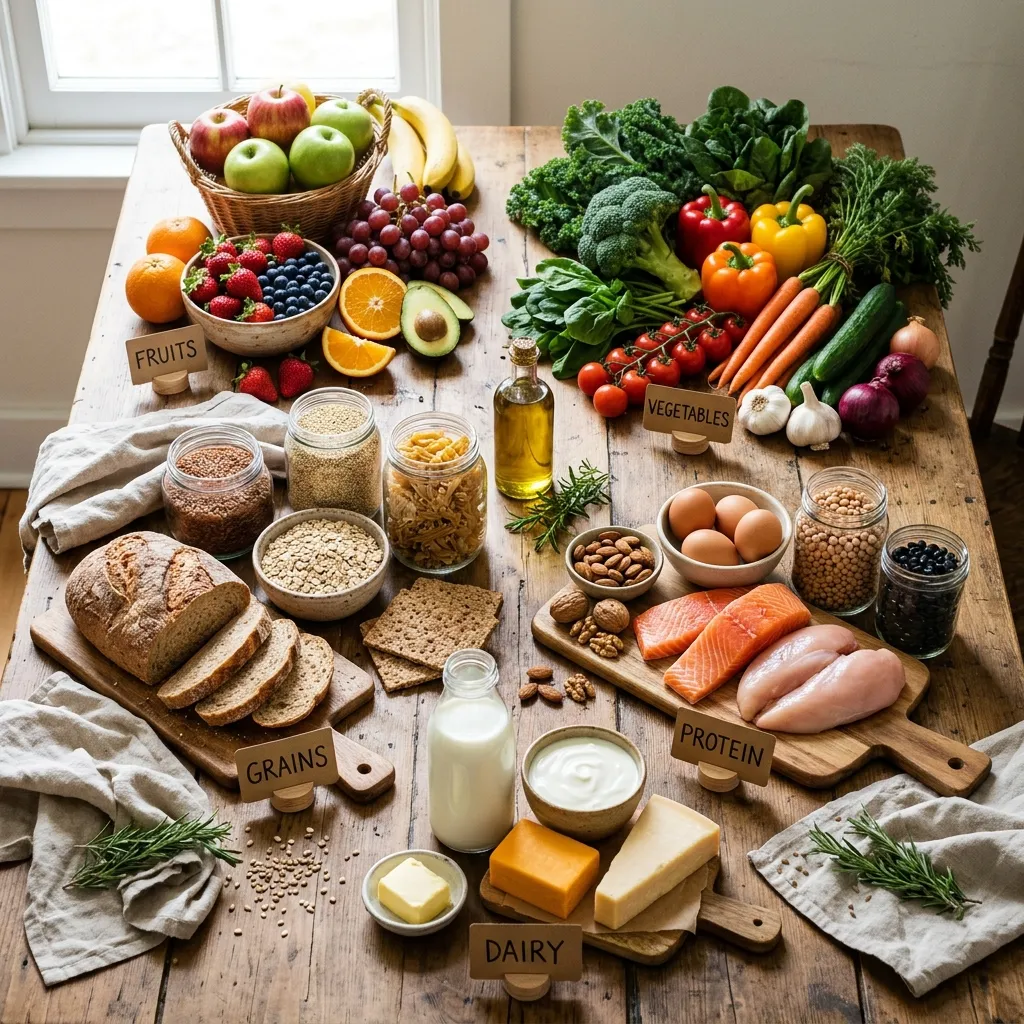
Your body needs a combination of carbohydrates, proteins, fats, vitamins and minerals.
Vegetables, fruits, whole grains, dairy products, legumes, nuts and protein-rich foods all contribute important nutrients.
Including different food groups helps make everyday meals more balanced and enjoyable.
Choose Fiber-Rich Foods
Fiber is found in foods such as vegetables, fruits, oats, beans, lentils and whole grains.
These foods support digestive health and can help meals feel satisfying.
Including a variety of fiber-rich ingredients throughout the day is a practical way to improve the nutritional quality of your meals.
Add Protein to Your Meals
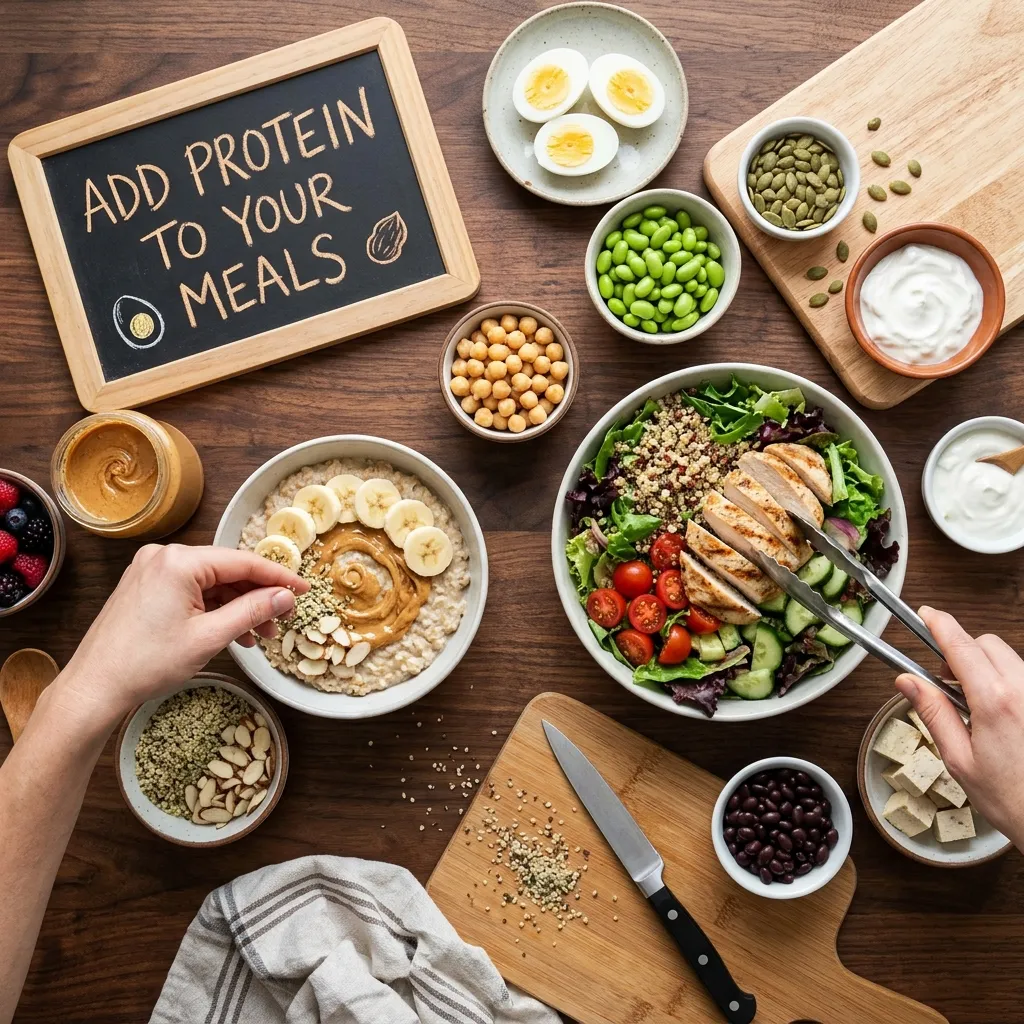
Protein supports muscle maintenance, tissue repair and many normal body functions.
Good sources include:
- Eggs
- Chicken
- Fish
- Milk
- Plain yogurt
- Lentils
- Chickpeas
- Beans
- Tofu
Combining protein sources with vegetables and whole grains can help create balanced meals.
Include Healthy Fats
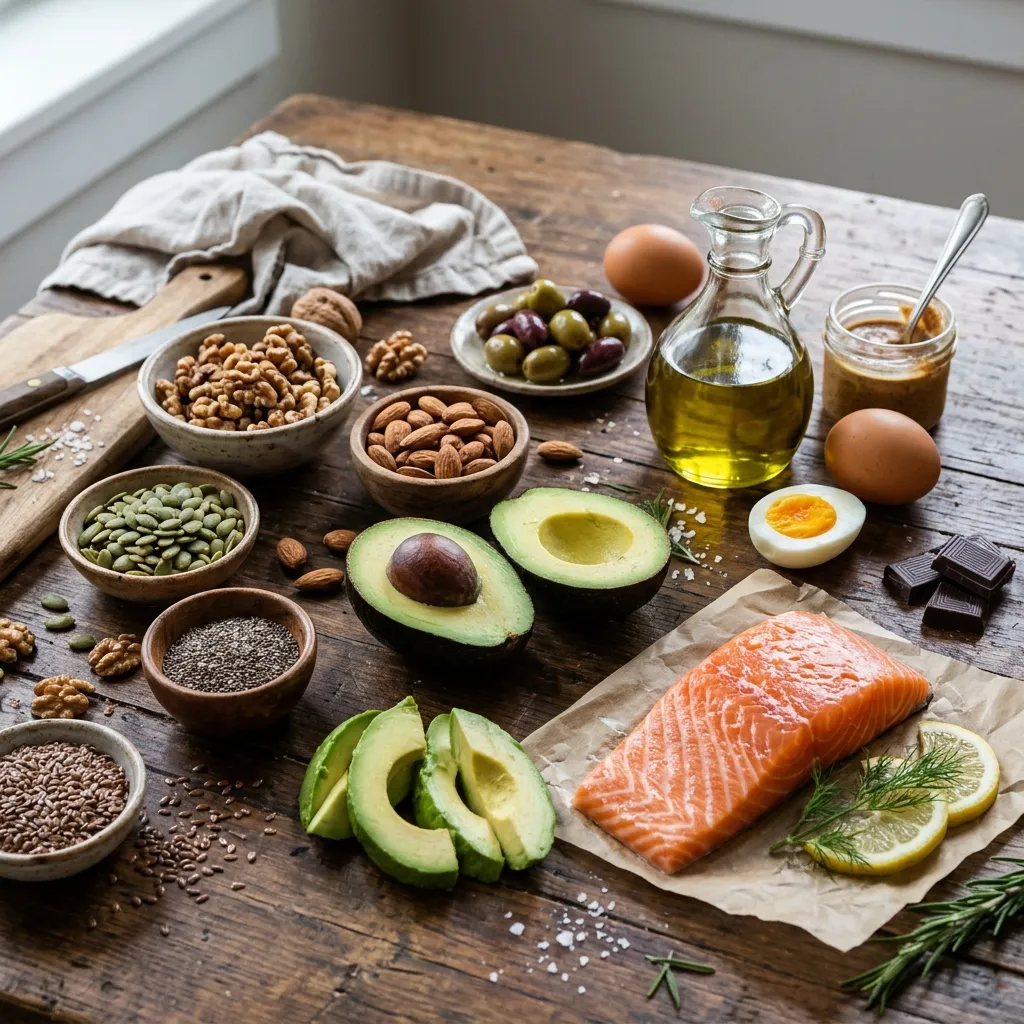
Healthy fats are an important part of a nutritious eating pattern.
Foods such as nuts, seeds, avocados, olive oil and fatty fish provide fats that support normal body functions.
You do not need to eliminate fats from your meals. Instead, include a variety of suitable sources in appropriate amounts.
Read More: Healthy Eating for Beginners: Easy Ways to Improve Your Diet
Maintain Regular Eating Habits
Skipping meals or following overly restrictive eating schedules can make it difficult to meet your nutritional needs.
Regular meals and suitable snacks can help you maintain energy throughout the day.
Choose an eating schedule that fits your daily routine and allows you to enjoy a variety of nutritious foods.
Benefits of Following a Balanced Eating Plan
A balanced eating routine can offer several benefits beyond weight management.
Choosing nutritious foods regularly supports overall health and can make everyday meals more enjoyable.
Support Everyday Energy Levels
Your body needs energy from food to support studying, working, walking and other daily activities.
Meals containing whole grains, protein, fruits and vegetables provide a combination of nutrients that help support normal energy needs.
Eating regularly can also help prevent long periods without food.
Improve Digestive Health
Fiber-rich foods play an important role in digestive health.
Vegetables, fruits, oats, beans and whole grains contribute dietary fiber.
Including these foods regularly, along with adequate fluids, supports normal digestion.
Support Muscle Health
Protein provides amino acids that help maintain and repair body tissues.
Foods such as eggs, dairy products, chicken, fish and lentils can contribute to your daily protein intake.
Combining nutritious eating with appropriate physical activity can also support muscle function.
Encourage Better Food Choices
Planning balanced meals can help you become more aware of the foods you eat.
Instead of relying on packaged snacks or highly processed meals every day, you can include more homemade dishes, vegetables, fruits and whole grains.
This approach can make nutritious eating feel more practical.
Develop Sustainable Eating Habits
Healthy eating does not need to involve complicated rules.
Preparing simple meals, eating a variety of foods and enjoying occasional favorite dishes can make your routine easier to maintain.
Consistency and flexibility are more useful than trying to follow a perfect menu.
Essential Foods to Include in a Balanced Diet Plan
A nutritious eating routine becomes easier to organize when you understand the different food groups and how they contribute to your meals.
The following foods are practical options for creating balanced breakfasts, lunches, dinners and snacks.
Fresh Fruits
Fruits provide vitamins, minerals, antioxidants and dietary fiber.
Some convenient options include:
- Apples
- Bananas
- Oranges
- Strawberries
- Blueberries
- Mangoes
- Papaya
- Guava
Enjoy different fruits throughout the week rather than relying on only one variety.
Leafy Green Vegetables
Leafy vegetables provide important nutrients, including vitamins, minerals and fiber.
Useful options include:
- Spinach
- Kale
- Lettuce
- Fenugreek leaves
- Mustard greens
You can add them to omelets, soups, salads, sandwiches and homemade vegetable dishes.
Protein-Rich Foods
Protein-rich foods help support normal muscle and tissue functions.
Include a variety of options such as:
- Eggs
- Chicken
- Fish
- Lentils
- Chickpeas
- Beans
- Plain Greek yogurt
- Milk
- Tofu
Combining animal and plant-based protein sources can add variety to your meals.
Whole Grains
Whole grains provide carbohydrates and fiber that contribute to everyday energy needs.
Examples include:
- Oats
- Brown rice
- Whole-wheat bread
- Whole-wheat roti
- Barley
- Whole-grain pasta
Choose different grains according to your preferences and availability.
Nuts and Seeds
Nuts and seeds contain healthy fats, protein and other important nutrients.
Some options include:
- Almonds
- Walnuts
- Peanuts
- Chia seeds
- Flaxseeds
- Pumpkin seeds
They can be added to yogurt, oatmeal, salads and homemade smoothies.
Simple Breakfast Ideas for a Balanced Diet
Breakfast is an opportunity to include several important food groups at the beginning of your day.
A balanced breakfast can combine protein, fiber-rich carbohydrates, fruits and other nutritious ingredients.
Oatmeal With Fresh Fruits
Oatmeal is a convenient breakfast option that provides carbohydrates and fiber.
Prepare rolled oats with milk or water and add sliced banana, berries or apple pieces.
You can also include a few nuts or seeds for additional nutrients.
This simple combination is easy to customize according to your preferences.
Eggs With Whole-Wheat Toast
Eggs provide protein and several important nutrients.
Prepare boiled eggs or a vegetable omelet and serve them with whole-wheat toast.
You can add tomatoes, spinach or cucumber to make the meal more varied.
Greek Yogurt With Berries
Plain Greek yogurt provides protein and has a creamy texture that works well for breakfast.
Combine it with strawberries, blueberries or sliced banana.
Add oats, chia seeds or chopped nuts for additional fiber and healthy fats.
Vegetable Breakfast Omelet
A vegetable omelet is a practical way to include protein and vegetables in one meal.
Use eggs, spinach, tomatoes, onions and bell peppers.
Cook the mixture in a lightly oiled pan and serve with whole-wheat roti or toast.
Peanut Butter Banana Toast
Whole-wheat toast provides carbohydrates and fiber, while peanut butter contributes healthy fats and some protein.
Spread natural peanut butter over toast and add sliced banana.
Serve with milk or plain yogurt for a more balanced breakfast.
Healthy Lunch Ideas With Balanced Ingredients
Lunch should provide enough variety and nourishment to support your afternoon activities.
Combining vegetables, protein sources and carbohydrates can help create satisfying everyday meals.
Grilled Chicken With Brown Rice
Grilled chicken provides protein, while brown rice supplies carbohydrates and fiber.
Serve the chicken with a side of cooked vegetables such as carrots, broccoli or green beans.
Add a simple salad with cucumber and tomatoes for additional variety.
Lentil and Vegetable Bowl
Lentils are an affordable source of plant-based protein and fiber.
Cook lentils with tomatoes, onions and suitable spices.
Serve them with whole-wheat roti or rice and a side of fresh vegetables.
Chickpea Salad
Chickpeas provide protein, carbohydrates and fiber.
Combine cooked chickpeas with cucumber, tomatoes, onions and fresh coriander.
Add lemon juice and a little olive oil for flavor.
You can enjoy this salad with whole-wheat bread or roti.
Whole-Wheat Chicken Wrap
A chicken wrap is a convenient lunch option that combines several food groups.
Fill a whole-wheat tortilla or roti with cooked chicken, lettuce, cucumber and tomatoes.
Add plain yogurt dressing or a little hummus for extra flavor.
Vegetable and Bean Rice Bowl
Combine cooked rice with beans and a variety of vegetables.
You can include carrots, peas, bell peppers and spinach.
Add a protein source such as beans, tofu or chicken to make the meal more balanced.
Nutritious Dinner Ideas for Everyday Meals
Dinner can include the same variety of food groups as other meals.
The goal is to prepare a satisfying meal that supports your nutritional needs without unnecessary food restrictions.
Baked Fish With Vegetables
Fish provides protein and important nutrients.
Place a fish fillet in a baking dish with lemon juice, garlic and suitable seasonings.
Bake until fully cooked and serve with steamed vegetables and rice or potatoes.
Homemade Chicken and Vegetable Soup
Chicken soup is a comforting meal that can include several nutritious ingredients.
Combine cooked chicken with carrots, onions, celery and other preferred vegetables.
Add water or low-sodium broth and simmer until the vegetables are tender.
Serve with whole-grain bread or roti if desired.
Vegetable and Lentil Curry
Lentil curry is a practical meal made with affordable everyday ingredients.
Cook lentils with tomatoes, onions, garlic and spices.
Add spinach, carrots or other vegetables for additional variety.
Serve with rice or whole-wheat roti.
Grilled Chicken With Sweet Potatoes
Chicken and sweet potatoes create a combination of protein and carbohydrates.
Season chicken with garlic, lemon and your preferred spices.
Bake or grill the chicken until fully cooked and serve with roasted sweet potatoes and a fresh salad.
Homemade Vegetable Stir-Fry
A vegetable stir-fry is an easy way to include several vegetables in one meal.
Cook broccoli, carrots, bell peppers and cabbage in a pan with a little oil.
Add tofu, chicken or another protein source.
Serve with rice or whole-grain noodles.
Healthy Snack Ideas Between Meals
Snacks can help provide energy between meals and contribute additional nutrients to your eating pattern.
Choose options that are convenient, enjoyable and suitable for your appetite.
Fresh Fruit With Nuts
Combine an apple, orange or banana with a small handful of nuts.
This provides a mixture of carbohydrates, fiber, healthy fats and other nutrients.
Plain Yogurt With Seeds
Plain yogurt provides protein and calcium.
Add chia seeds, ground flaxseeds or pumpkin seeds for additional nutrients.
You can also include fresh fruit for natural sweetness.
Hummus With Vegetable Sticks
Hummus is made primarily from chickpeas and provides plant-based protein and fiber.
Serve it with cucumber, carrots or bell pepper slices.
Boiled Eggs
Boiled eggs are a convenient source of protein.
Prepare them in advance and refrigerate them properly until you are ready to eat.
Homemade Fruit Smoothie
Blend milk or yogurt with banana, berries and other preferred fruits.
You can add oats or chia seeds for additional fiber.
Keep the ingredients balanced and avoid adding unnecessary amounts of sugar.
How to Build a Balanced Plate
Understanding how to combine different food groups can make everyday meal planning much easier.
You do not need to measure every ingredient or follow complicated calculations to create nutritious meals.
Include Plenty of Vegetables
Vegetables provide fiber, vitamins and minerals.
Try including different colors and varieties in your lunch and dinner.
Options such as spinach, carrots, broccoli, cucumber and tomatoes can make meals more nutritious and visually appealing.
Add a Protein Source
Include foods such as eggs, chicken, fish, beans, lentils or tofu.
Protein contributes to normal muscle maintenance and tissue repair.
Choose different sources throughout the week to increase dietary variety.
Include Carbohydrate-Rich Foods
Carbohydrates are an important source of energy.
Rice, potatoes, oats, whole-wheat roti and other grains can all be included in a balanced eating pattern.
Choose portions that meet your individual needs.
Include Healthy Fats
Foods such as nuts, seeds, avocados and olive oil provide fats that support normal body functions.
Add them to meals in ways that suit your preferences.
Drink Enough Water
Water supports digestion, circulation, temperature regulation and many other body functions.
Drink regularly throughout the day, paying attention to thirst, activity and weather conditions.
Tips for Following a Balanced Diet Plan
Developing healthy eating habits takes time, but a few practical strategies can make the process easier.
Plan Meals in Advance
Planning your meals can reduce the stress of deciding what to prepare every day.
Choose a few breakfast, lunch and dinner options before the week begins.
Make a grocery list based on the ingredients you already have and the foods you enjoy.
Prepare Ingredients Ahead of Time
Wash vegetables, cook suitable grains and prepare ingredients in advance when possible.
You can store prepared foods safely in appropriate containers and refrigerate them promptly.
This can make homemade meals more convenient during busy days.
Include Variety in Your Meals
Eating the same foods every day can make your routine less enjoyable.
Experiment with different vegetables, fruits, grains and protein sources.
Changing flavors and cooking methods can make nutritious meals more interesting.
Avoid Skipping Meals
Skipping meals is not necessary for healthy eating.
Regular meals can help you meet your energy and nutritional needs throughout the day.
Choose a meal schedule that works comfortably with your daily activities.
Enjoy Your Favorite Foods
A balanced eating pattern does not require eliminating every food you enjoy.
You can include favorite meals and occasional treats while maintaining variety in your overall diet.
Flexibility can make healthy habits easier to maintain.
Common Diet Planning Mistakes to Avoid
Planning balanced meals is generally straightforward, but certain habits can make it harder to meet your nutritional needs.
Understanding these mistakes can help you make more practical food choices.
Following Extremely Restrictive Diets
Avoid eating patterns that eliminate entire food groups without a medical reason.
Restrictive diets can make it difficult to obtain enough nutrients and may be challenging to maintain.
Focus on including a variety of foods instead.
Eating Too Few Vegetables and Fruits
Vegetables and fruits provide important vitamins, minerals and fiber.
Try adding different varieties to your meals and snacks throughout the day.
Fresh, frozen and appropriately prepared options can all contribute to a nutritious diet.
Relying Too Much on Processed Foods
Packaged snacks, sugary drinks and highly processed meals can sometimes contain substantial amounts of added sugar, sodium or saturated fat.
You do not need to avoid every packaged product, but including more homemade and minimally processed foods can improve dietary variety.
Ignoring Protein Sources
Meals that contain very little protein may not provide a balanced combination of nutrients.
Include foods such as eggs, yogurt, chicken, fish, lentils and beans throughout your eating routine.
Expecting Immediate Results
Healthy eating habits develop gradually.
There is no single meal or food that can guarantee weight changes.
Focus on nourishing your body, maintaining regular eating habits and choosing foods that support your overall health.
How to Stay Consistent With Healthy Eating
A balanced eating plan becomes more useful when it fits naturally into your daily routine.
Instead of trying to change everything at once, begin with small habits that are realistic for your lifestyle.
Set Practical Food Goals
Start with achievable goals, such as adding vegetables to lunch or including a protein source at breakfast.
Once these habits become comfortable, you can gradually introduce other nutritious choices.
Keep Nutritious Foods Available
Stock your kitchen with convenient ingredients such as oats, eggs, yogurt, lentils, fruits and vegetables.
Having these foods available can make preparing balanced meals easier.
Track Your Eating Habits
A simple food journal can help you notice patterns in your daily eating routine.
You can record meals, snacks, water intake and how different foods make you feel.
Use this information to identify habits that you would like to improve.
Eat Mindfully
Try to eat without rushing whenever possible.
Pay attention to the taste, texture and satisfaction of your meals.
Eating mindfully can help you become more aware of your hunger and fullness cues.
Be Flexible With Your Routine
Some days will be busier than others and your meals may not always follow the same schedule.
Keep a few convenient options available so you can continue eating regularly without unnecessary stress.
Safety and Nutrition Tips for a Healthy Eating Routine
A balanced diet should provide sufficient energy and nutrients to support your body.
Before making significant dietary changes, consider your individual needs and circumstances.
Avoid Skipping Important Food Groups
Your body requires a variety of nutrients.
Include carbohydrates, proteins, fats, fruits and vegetables rather than eliminating entire food groups unnecessarily.
Eat Enough to Meet Your Energy Needs
Your nutritional needs depend on factors such as age, growth, activity level and overall health.
Avoid following extremely low-calorie diets or reducing food intake excessively.
Pay Attention to Your Body
Hunger, tiredness and changes in energy can provide useful information about your eating habits.
Do not ignore persistent fatigue, dizziness or other unusual symptoms.
Seek professional advice if you experience ongoing concerns.
Stay Hydrated
Drink water regularly throughout the day.
Your fluid needs may increase during hot weather, physical activity or periods of illness.
Seek Professional Nutrition Guidance When Necessary
If you have a medical condition, food allergies, digestive concerns or specific nutritional requirements, consult a qualified healthcare professional or registered dietitian.
Children, teenagers and pregnant individuals may have additional nutritional needs that require individualized guidance.
Frequently Asked Questions
What should a simple diet plan include?
A balanced eating plan should include fruits, vegetables, whole grains, protein-rich foods, dairy or suitable alternatives and healthy fats. The combination and portions should meet your individual nutritional needs.
Can I eat rice while following a balanced diet?
Yes. Rice provides carbohydrates and can be included in a nutritious eating pattern. You can combine it with vegetables and protein sources such as lentils, chicken or beans.
Are eggs a good breakfast option?
Yes. Eggs provide protein and several important nutrients. They can be prepared boiled, scrambled or as an omelet and served with vegetables and whole-grain bread.
Do I need to avoid carbohydrates?
No. Carbohydrates are an important source of energy. Foods such as oats, rice, potatoes, fruits and whole-wheat roti can all be part of a balanced diet.
Can I include snacks in my daily eating plan?
Yes. Snacks such as fruit, yogurt, nuts, hummus and boiled eggs can provide additional nutrients between meals.
Is homemade food better for everyday eating?
Homemade meals can make it easier to choose ingredients and adjust seasonings according to your preferences. However, nutritious meals can also come from suitable prepared foods and convenient options.
How much water should I drink daily?
Fluid needs vary according to age, activity level, health and weather. Drink regularly throughout the day and pay attention to thirst and other signs of hydration.
Can I follow the same meals every day?
You can repeat convenient meals, but including different foods throughout the week helps provide a wider range of nutrients. Try changing your fruits, vegetables, grains and protein sources.
Is it necessary to count calories?
No. Many people can build balanced eating habits without counting every calorie. Paying attention to food variety, regular meals and individual nutritional needs can be a more practical approach.
Can I enjoy sweets while eating a balanced diet?
Yes. A balanced eating pattern can include occasional sweets and favorite foods. The overall variety and nutritional quality of your eating habits are more important than trying to make every meal perfect.
Conclusion
A simple and balanced eating routine can make healthy food choices easier to manage throughout the week. By including fruits, vegetables, whole grains, protein-rich foods and healthy fats, you can create nutritious meals without relying on complicated recipes or restrictive eating rules.
The most important part of a healthy Diet Plan for Weight Loss is making sure your meals provide enough energy and nutrients for your individual needs. Simple options such as oatmeal, eggs, lentils, chicken, yogurt, vegetables and fresh fruits can all contribute to a varied eating pattern.
Start with practical changes, experiment with different meal combinations and prepare ingredients ahead of time when your schedule allows. Remember that healthy eating is not about perfection or quick results. It is about developing balanced habits that support your overall well-being over time.



One Comment on “A Simple Diet Plan for Weight Loss With Balanced Meals”