

Finding the right weight loss diet can be confusing when so many plans promise fast results. Some diets encourage cutting carbohydrates, others focus on eating more protein and some require strict meal schedules. With so many options available, it can be difficult to know which approach is practical, nutritious and suitable for your lifestyle.
The truth is that a healthy weight loss diet does not need to be complicated. You can build a balanced eating routine using everyday foods, sensible portions and meals that satisfy your hunger. You do not have to eliminate rice, bread, fruit, or your favorite foods to make progress.
Successful weight management depends on several factors, including food intake, physical activity, sleep, stress, medications and individual health needs. For many adults, a sustainable eating pattern that provides adequate nutrients and supports a manageable energy deficit is more useful than an extreme diet that is difficult to maintain.
This guide explains how to build a healthy weight loss diet, which foods to include, how to plan meals on a budget and how to avoid common mistakes. You will also find practical meal examples and tips for creating a routine that fits your daily life.
What Is a Weight Loss Diet?
A weight loss diet is an eating pattern designed to help a person manage body weight while meeting their nutritional needs. It may involve adjusting portion sizes, choosing more nutritious foods, reducing frequent high-calorie snacks, or improving the balance of meals.
A healthy approach focuses on the overall eating pattern rather than relying on one special food or removing entire food groups without a medical reason.
For many adults, weight loss occurs when the body consistently uses more energy than it receives from food and drinks. This is known as a calorie deficit. However, the appropriate approach depends on individual health, nutritional needs and circumstances.
How Does a Weight Loss Diet Work?
Your body uses energy to maintain essential functions, digest food, move and perform daily activities. Food provides this energy along with protein, carbohydrates, fats, vitamins, minerals and other nutrients.
When energy intake is consistently lower than energy expenditure, the body can use stored energy, which may lead to weight loss over time.
The process is influenced by more than food intake alone. Sleep, activity, medications, health conditions, hormonal changes and water retention can affect weight and the rate of change.
A good diet should therefore support overall health rather than focus exclusively on the number on the scale.
What Makes a Diet Healthy?
A healthy weight loss diet should provide enough energy and essential nutrients to support everyday life. It should also be flexible enough to accommodate your preferences, culture, schedule and budget.
Look for an approach that includes:
- A variety of vegetables and fruits
- Protein-rich foods
- Whole grains and other suitable carbohydrate sources
- Healthy fats
- Adequate fluids
- Portions that suit your needs
- Foods you enjoy and can continue eating over time
There is no single meal plan that works best for every person. The right choice is one that supports your health and is realistic for your circumstances.
Read More: Healthy Food Guide: Benefits, Best Foods and Easy Eating Tips
Best Foods to Include in a Weight Loss Diet
Choosing nutritious foods can make meals more satisfying while helping you obtain the nutrients your body needs.
Image placement: Add this image below the introduction to the food section.
Image prompt: A realistic overhead food photograph of nutritious everyday foods arranged on a bright kitchen table, including eggs, grilled chicken, lentils, oats, brown rice, whole-wheat bread, spinach, tomatoes, cucumbers, apples, bananas, plain yogurt, nuts and olive oil, natural daylight, fresh editorial food photography, no text or logos.
Image alt text: Nutritious everyday foods for a balanced weight loss diet, including protein, vegetables, fruit, whole grains and healthy fats.
1. Vegetables
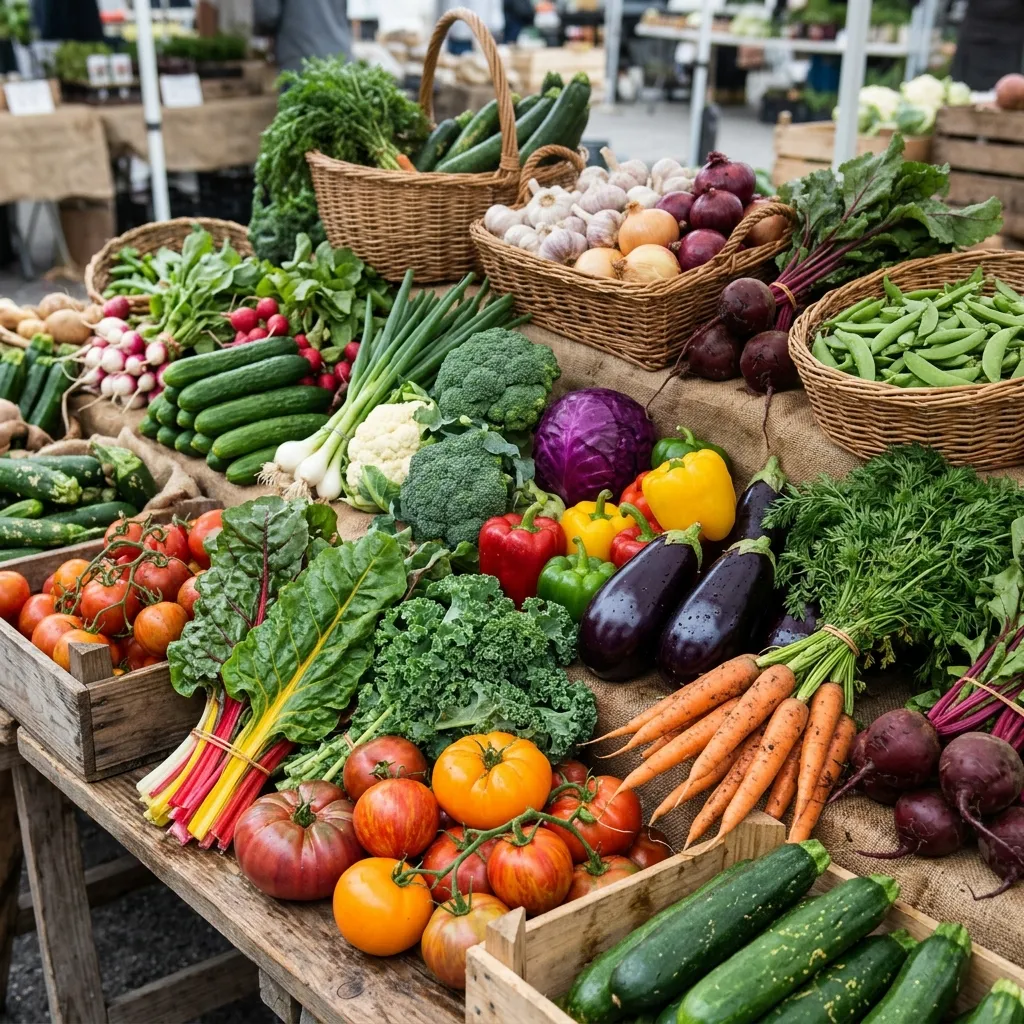
Vegetables provide fiber, vitamins, minerals and water. Many varieties can add volume and texture to meals without contributing as much energy as some highly concentrated foods.
Useful options include spinach, cabbage, carrots, tomatoes, cucumbers, cauliflower, broccoli, bell peppers and green beans.
Try adding vegetables to omelets, soups, rice dishes, lentil curries, sandwiches and salads. Frozen vegetables can also be convenient when fresh produce is expensive or difficult to store.
You do not need to eat the same vegetables every day. Choosing a variety helps make your meals more interesting and provides a broader range of nutrients.
2. Fruits
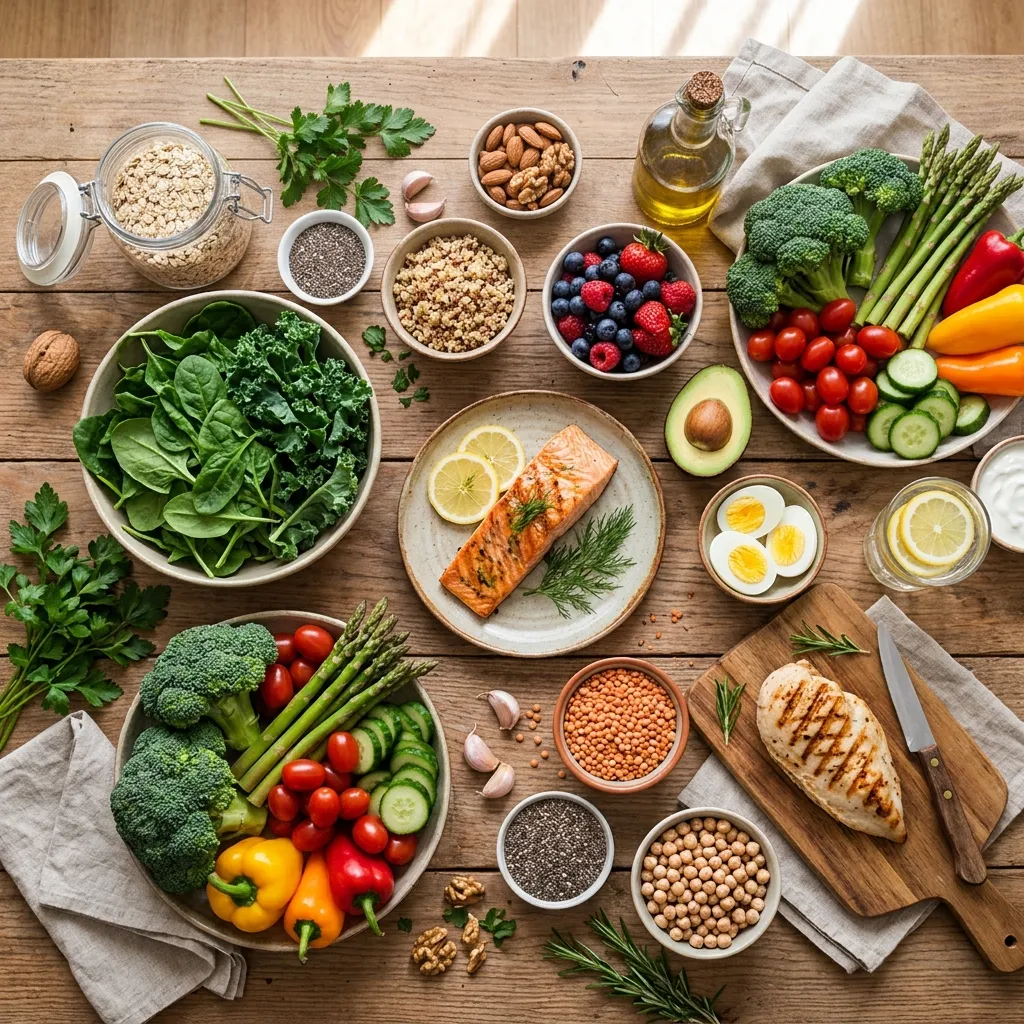
Whole fruits can satisfy a desire for something sweet while providing fiber, vitamins and minerals.
Good everyday options include apples, oranges, bananas, guavas, pears, berries and seasonal fruit. Choose the types you enjoy and can afford.
Whole fruit is generally more filling than juice because it retains its structure and fiber. You do not need to avoid bananas or other naturally sweet fruits simply because they contain carbohydrates.
Fruit can be included at breakfast, as a snack, or alongside a meal.
3. Protein-Rich Foods
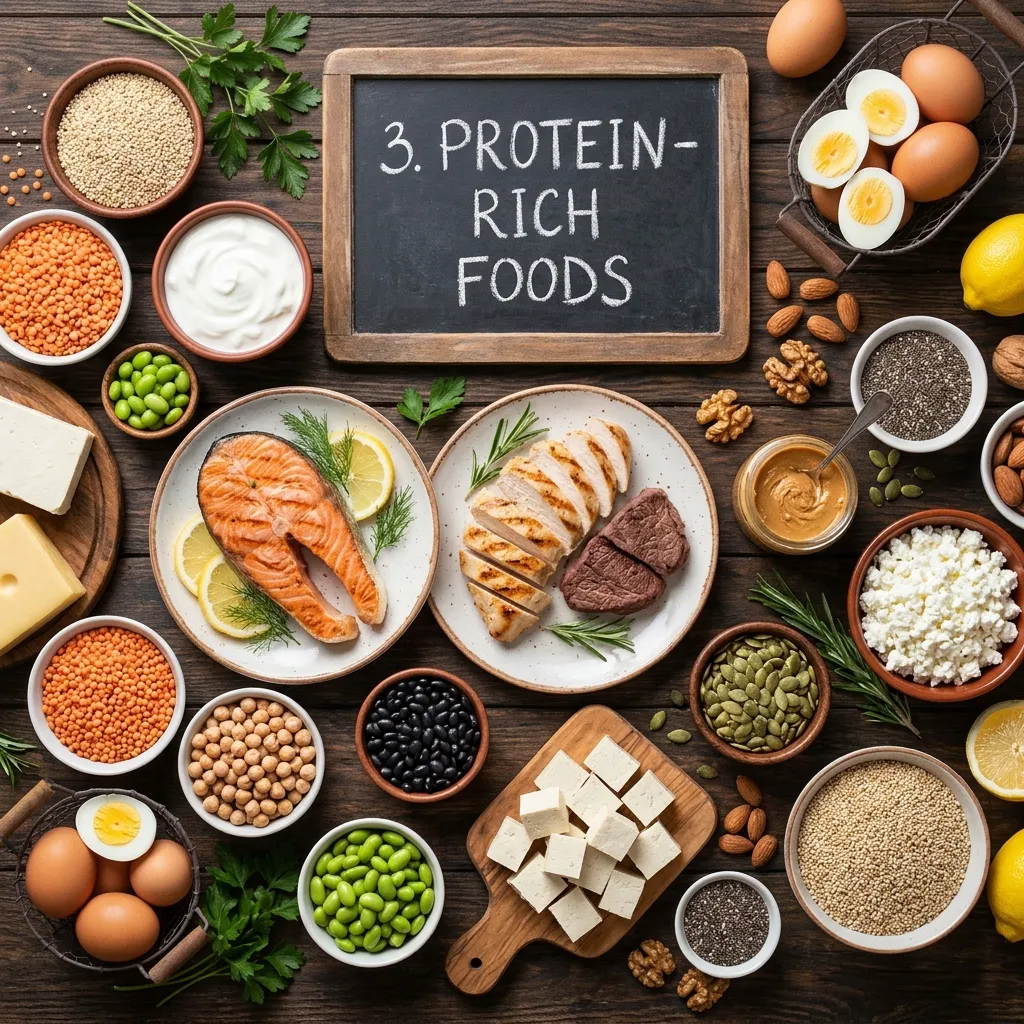
Protein supports muscle maintenance, tissue repair and many other essential functions. It can also help meals feel more satisfying.
Include foods such as:
- Eggs
- Chicken and turkey
- Fish
- Plain yogurt
- Milk or suitable fortified alternatives
- Lentils
- Chickpeas
- Beans
- Tofu
- Other suitable protein sources
You do not need expensive protein powders to build a nutritious diet. Ordinary foods can provide protein as part of balanced meals.
Protein requirements vary according to body size, age, activity level and health. People with kidney disease or other conditions affecting protein needs should seek individualized guidance.
4. Whole Grains and Other Carbohydrate Sources
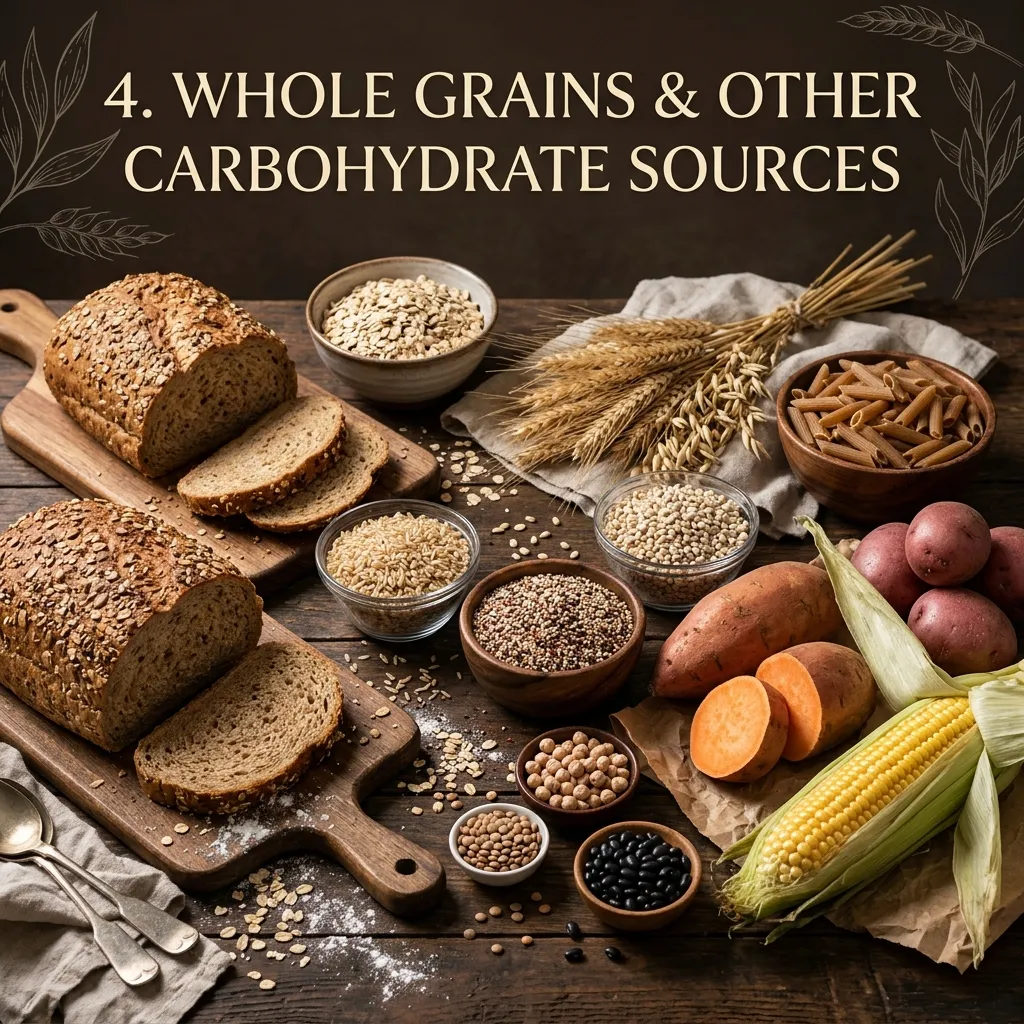
Carbohydrates provide energy and can remain part of a healthy weight loss diet.
Oats, whole-wheat bread, brown rice, barley, potatoes, beans, and lentils can provide carbohydrates alongside other useful nutrients. Whole grains and legumes often provide fiber, which supports digestive health.
Rice and roti can also fit into a balanced meal. Instead of eliminating them, consider portions that leave room for vegetables and protein.
The right balance depends on your preferences, activity level and overall nutritional needs.
5. Healthy Fats
Fat is an essential nutrient. It helps the body absorb certain vitamins and supports normal cell function.
Useful sources include olive oil, nuts, seeds, avocados and oily fish. These foods can contribute to a balanced eating pattern, although oils and nuts are energy-dense, so portions may matter when managing calorie intake.
You do not need to remove all fat from your meals. Focus on variety and choose unsaturated fats regularly.
6. Dairy Products and Alternatives
Milk, plain yogurt and other suitable dairy products can provide protein and calcium. Fortified alternatives may also contribute useful nutrients.
Choose options that fit your preferences and nutritional needs. If you prefer flavored yogurt, check the label because some products contain substantial amounts of added sugar.
Dairy is not compulsory if you do not consume it. A well-planned diet can obtain necessary nutrients from other suitable sources.
Foods to Limit for Better Weight Management
No food automatically causes weight gain when eaten occasionally. However, some eating habits can make it easier to consume more energy than your body needs.
Sugary Drinks
Soft drinks, sweetened tea, packaged juices, energy drinks and heavily sweetened coffee can contribute calories without providing much fullness.
If these beverages are part of your daily routine, try replacing some servings with water or unsweetened drinks.
You do not need to change everything at once. Small, consistent adjustments may be easier to maintain.
Frequently Eating Highly Processed Snacks
Chips, biscuits, confectionery, pastries and similar snacks can be convenient, but some provide relatively little fiber or protein compared with their energy content.
You can still enjoy these foods occasionally. The goal is to make nutritious foods the foundation of your meals rather than treating every snack as forbidden.
Oversized Portions
Even nutritious foods contribute energy and very large portions can make it harder to maintain a balanced intake.
Try serving food on a plate instead of eating directly from a packet. Eat slowly and notice when you feel comfortably satisfied.
Portion needs differ, so avoid copying another person’s meal size without considering your own requirements.
Frequent Deep-Fried Meals
Deep-fried foods can be part of many traditional diets, but frequent large servings may contribute substantial energy and fat.
You can still enjoy foods such as samosas, pakoras and fried chicken. Consider balancing them with other nutritious foods and varying your cooking methods through the week.
Grilling, baking, steaming, boiling and cooking with moderate amounts of oil can provide additional options.
Excessive Reliance on Takeaway Food
Takeaway meals vary in nutritional quality, portion size and preparation. Some are balanced, while others may contain large amounts of sodium, added fats, or sugary sauces.
If you order takeaway regularly, consider meals that include vegetables and a protein source. Ordering sauces separately or choosing water instead of a sweetened drink may also help you make choices that suit your needs.
How to Build a Balanced Weight Loss Meal
A simple way to plan meals is to consider the balance of vegetables, protein, carbohydrate sources and fats rather than counting every ingredient.
Image placement: Use this image to illustrate the balanced plate method.
Image prompt: An overhead photograph of a balanced everyday lunch on a ceramic plate, with grilled chicken, brown rice, steamed broccoli, carrots, leafy greens, cucumber and a small portion of avocado, realistic portions, bright natural daylight, clean food photography, no text or labels.
Image alt text: Balanced meal with vegetables, protein, whole grains and healthy fats for weight management.
Use the Plate Method
For many adults, a useful starting point is to fill approximately half the plate with vegetables, one quarter with a protein source and one quarter with a carbohydrate source.
This is a flexible visual guide, not a strict rule. Your portions may need to change according to your body size, activity level, health and appetite.
Include a suitable source of fat through foods such as nuts, seeds, fish, or a moderate amount of cooking oil.
Include Protein in Main Meals
Adding eggs, lentils, beans, chicken, fish, tofu, or yogurt can help make a meal more complete.
For example, a meal of rice and vegetables may be more balanced when served with lentils, chickpeas, or another suitable protein source.
Variety matters, so alternate protein sources throughout the week rather than depending on one food.
Eat Regularly Enough to Manage Hunger
Some people prefer three meals per day, while others feel better with smaller meals and snacks. There is no universal meal schedule that guarantees weight loss.
Choose a pattern that helps you feel adequately nourished and manage hunger. If skipping meals leads to extreme hunger later, a more regular schedule may be more practical.
Adjust Portions Without Eliminating Favorite Foods
You can include foods such as rice, roti, pasta, bread and desserts in a balanced diet. What matters is the overall pattern and whether your intake meets your needs.
Instead of cutting out a favorite food entirely, consider its portion and how it fits with the rest of the meal.
A flexible approach is often easier to maintain than a diet built around strict food rules.
A Simple Seven-Day Weight Loss Meal Plan
The following example provides meal ideas using common foods. It is not a personalized calorie prescription and portions should be adjusted to your individual needs.
Image placement: Add a meal-preparation photograph before the meal plan.
Image prompt: A realistic meal-preparation scene on a kitchen counter featuring containers of lentils, grilled chicken, brown rice, whole-wheat roti, boiled eggs, chopped vegetables, plain yogurt, apples and bananas, organized for the week, natural window light, no text, no logos.
Image alt text: Simple weekly meal preparation with everyday protein foods, vegetables, fruit and whole grains.
| Day | Breakfast | Lunch | Dinner |
|---|---|---|---|
| Monday | Oatmeal with milk and banana | Lentils, roti and vegetable salad | Chicken with rice and cooked vegetables |
| Tuesday | Eggs with whole-wheat toast and tomatoes | Chickpea salad with yogurt | Fish, potatoes and steamed vegetables |
| Wednesday | Plain yogurt with fruit and oats | Chicken or bean wrap with vegetables | Lentil curry, roti and cucumber salad |
| Thursday | Vegetable omelet with toast | Rice with chickpeas and mixed vegetables | Grilled chicken or tofu with potatoes and greens |
| Friday | Oatmeal with apple and yogurt | Lentils, roti and cooked vegetables | Fish or beans with rice and salad |
| Saturday | Boiled eggs, whole-wheat bread and fruit | Homemade chicken or chickpea bowl | Vegetable curry with roti and yogurt |
| Sunday | Plain yogurt with oats and banana | Chicken, beans, or tofu with rice and vegetables | Homemade soup with lentils and whole-wheat bread |
Snacks can be added according to hunger and individual needs. Examples include fruit, plain yogurt, boiled eggs, roasted chickpeas, or a small portion of nuts.
You can swap meals between days, use seasonal ingredients and adjust the plan to suit your preferences. There is no need to follow the table perfectly.
How to Adapt the Plan to Pakistani Foods
A healthy eating routine can include familiar home-cooked meals. You do not have to replace your usual food with expensive imported products.
Consider these practical approaches:
- Pair roti with lentils, vegetables, eggs, or chicken.
- Include cucumber, tomatoes, or other vegetables with rice dishes.
- Use cooking oil thoughtfully without trying to eliminate all fat.
- Choose plain yogurt when it suits the meal.
- Include seasonal fruits as snacks or alongside breakfast.
- Vary your protein sources with eggs, lentils, chickpeas, fish, chicken and beans.
Traditional dishes differ in ingredients and preparation, so the nutritional value of a meal depends on how it is cooked and served. Focus on balance rather than labeling entire cuisines as unhealthy.
How to Plan a Weight Loss Diet on a Budget
Healthy eating does not require expensive supplements, special bars, or branded diet products. Many affordable foods provide protein, fiber, vitamins and minerals.
Buy Seasonal Produce
Seasonal vegetables and fruits are often more affordable and may be easier to find locally. Choose a variety according to availability and budget.
Frozen vegetables can also be useful. They may reduce food waste and make it easier to include vegetables when fresh options are limited.
Use Beans and Lentils
Lentils, chickpeas and beans are versatile sources of protein and fiber. They can be used in soups, curries, salads and other meals.
Prepare a suitable quantity and store leftovers safely. Dried legumes may be economical, while canned versions can be convenient when rinsed and prepared according to your preferences.
Plan Meals Around Shared Ingredients
Choose ingredients that can be used in several dishes during the week. For example, tomatoes, onions, carrots and leafy greens can contribute to multiple meals.
This approach can reduce waste and make shopping simpler.
Prepare Food at Home When Practical
Home cooking gives you more control over ingredients and portions. You can also prepare extra servings for another meal when it is convenient.
However, cooking at home should not become a source of stress. Convenient prepared foods can still fit into a balanced routine when chosen thoughtfully.
Should You Count Calories on a Weight Loss Diet?
Calorie tracking can help some adults understand their eating habits, but it is not necessary for everyone.
When Tracking May Be Helpful
Some people find that recording food and drinks helps them recognize portion sizes or identify patterns they had not noticed before.
If you choose to track, remember that food labels, serving estimates, and tracking apps are not perfectly accurate. Use the information as a guide rather than treating every number as exact.
When Tracking May Not Be Appropriate
For others, calorie counting can increase anxiety, guilt, or excessive restriction. It may be particularly unsuitable for people with a current or previous eating disorder.
If tracking affects your relationship with food, focus instead on balanced meals, regular eating patterns and hunger and fullness cues. A qualified dietitian can help you choose an appropriate method.
Do Not Follow Someone Else’s Calorie Target
Energy requirements differ significantly between people. A target that is appropriate for one adult may be inadequate for another.
Children and teenagers, pregnant or breastfeeding people and individuals with certain health conditions should not adopt restrictive weight loss targets without appropriate professional guidance.
Common Weight Loss Diet Mistakes
Skipping Meals to Lose Weight Faster
Skipping meals does not automatically produce better results. Some people become very hungry later and find it harder to maintain their usual eating pattern.
Choose a meal schedule that suits your appetite, routine and nutritional needs.
Removing All Carbohydrates
Carbohydrates are not inherently unhealthy. Whole grains, fruit, potatoes, beans and lentils provide useful nutrients and can fit into a weight loss diet.
Unless a medical reason requires a specific restriction, there is usually no need to eliminate every carbohydrate-containing food.
Eating Too Little Protein
Protein supports muscle maintenance and recovery. Meals that contain little protein may also be less satisfying for some people.
Include suitable protein sources throughout the day, while keeping individual nutritional needs in mind.
Depending on Detox Drinks or Fat-Burning Products
Detox teas, slimming drinks and many fat-burning supplements have limited evidence of providing meaningful, lasting fat loss. Some can cause side effects or interact with medication.
Your body already has systems, including the liver and kidneys, that process waste products. You do not need a special drink to detox your body.
Be cautious about products promising dramatic results without realistic changes to eating habits and activity.
Expecting Fast, Consistent Results
Body weight can fluctuate because of hydration, digestion, hormonal changes and other factors. Early changes do not necessarily represent changes in body fat.
Focus on long-term patterns and habits rather than judging your progress by a single day’s weight.
How Exercise Supports a Weight Loss Diet
Food choices are important, but movement offers benefits that go beyond weight management. Physical activity supports cardiovascular health, strength, mobility and mental well-being.
Image placement: Add this photograph near the beginning of the exercise section.
Image prompt: A realistic lifestyle photograph of an adult taking a brisk walk through a leafy neighborhood park, wearing comfortable athletic clothing and walking at a natural pace, soft morning sunlight, approachable wellness atmosphere, no text or logos.
Image alt text: Brisk walking as part of a healthy weight management routine.
Choose Activities You Enjoy
Walking, cycling, swimming, dancing and home workouts are all possible ways to increase physical activity.
Start with a manageable amount and build gradually. The best choice depends on your abilities, access, preferences and health.
Include Strength Exercises
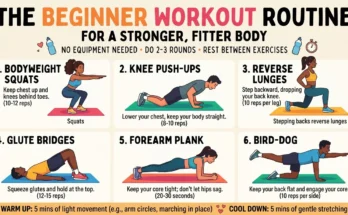
Bodyweight squats, wall push-ups, resistance band exercises and suitable weight training can help strengthen muscles.
Strength training can be especially useful for maintaining muscle during weight loss, when combined with adequate nutrition. Beginners should focus on technique and progress gradually.
Avoid Using Exercise as Punishment
You do not need to exercise excessively to compensate for a meal or snack. Exercise should support health, enjoyment and function rather than create guilt around food.
A balanced routine includes movement, nourishment and recovery.
How Long Does It Take to See Weight Loss Results?
There is no exact timeline that applies to everyone. Progress depends on starting body size, eating habits, activity, sleep, medications and individual health.
Some people notice changes over several weeks, while others experience slower progress. Water retention and other normal fluctuations can temporarily hide changes in body fat.
Instead of setting an aggressive deadline, focus on consistent habits such as planning balanced meals, preparing food at home when practical, getting regular activity and sleeping adequately.
If you are concerned about your weight or are not sure whether weight loss is appropriate, consult a qualified healthcare professional for individualized advice.
Who Should Seek Professional Advice Before Starting a Weight Loss Diet?
Intentional weight loss is not appropriate for everyone. A restrictive diet may be unsuitable without professional guidance for:
- Children and teenagers who are still growing
- People who are pregnant or breastfeeding
- People who are underweight or experiencing malnutrition
- People with a current or previous eating disorder
- Individuals with medical conditions that affect nutritional needs
- People taking medication that may need adjustment when eating habits change
If you have diabetes, kidney disease, digestive conditions, or another chronic health problem, a qualified healthcare professional can help you decide which eating pattern is appropriate.
Seek advice if a diet causes persistent fatigue, dizziness, weakness, or other concerning symptoms. A weight loss plan should not compromise your health.
Frequently Asked Questions
What is the best diet for weight loss?
The best diet is one that provides adequate nutrition, suits your health needs and is realistic to maintain. Many people can benefit from meals that include vegetables, fruit, protein sources, whole grains and healthy fats. No single named diet is best for everyone.
Can I eat rice and roti while following a weight loss diet?
Yes. Rice and roti can be included in a balanced eating pattern. Consider suitable portions and pair them with protein-rich foods and vegetables. You do not need to eliminate familiar staple foods to manage your weight.
Which foods help you feel full for longer?
Foods containing protein and fiber can help some people feel satisfied. Examples include eggs, plain yogurt, lentils, beans, oats, vegetables, whole fruit, and whole grains. Individual responses vary, so choose combinations that work for you.
Do I need to skip dinner to lose weight?
No. Skipping dinner is not necessary for weight loss. Your overall eating pattern and energy intake matter more than avoiding a particular meal. If you are hungry in the evening, a balanced dinner can be part of a healthy routine.
Are fruits suitable for a weight loss diet?
Yes. Whole fruits provide fiber, vitamins, minerals and water. Choose a variety of fruits you enjoy. You generally do not need to avoid fruit because it contains naturally occurring sugar.
Can I lose weight without exercising?
Weight loss can occur through changes in food intake alone, but physical activity offers important benefits for overall health and can support weight management. Choose an activity level that suits your health and ability.
Are expensive diet foods necessary?
No. Everyday foods such as eggs, lentils, beans, seasonal vegetables, oats, rice, and fruit can contribute to nutritious meals. You do not need special diet products or supplements to begin eating more healthfully.
How can I avoid feeling hungry while dieting?
Eat balanced meals, include protein and fiber, drink fluids regularly and avoid reducing food intake excessively. If you are constantly hungry, your portions or meal schedule may need adjustment. Persistent hunger can also be a reason to seek individualized advice.
Is a weight loss diet safe for everyone?
No. Growing children and teenagers, pregnant or breastfeeding people, underweight individuals and people with certain medical conditions or eating disorder histories may need to avoid restrictive diets or receive professional guidance.
Conclusion
A healthy weight loss diet does not have to involve strict food rules, expensive products, or complicated meal schedules. It can be built around everyday foods, balanced portions and habits that fit your lifestyle.
Start by including vegetables, fruit, protein-rich foods, whole grains and suitable sources of healthy fats. Plan meals when convenient, pay attention to hunger and choose an activity routine that supports your health.
Remember that progress is individual. You do not need to eliminate rice, roti, fruit, or every food you enjoy. A flexible approach that provides enough nutrients and supports your well-being is more useful than a restrictive plan that is difficult to maintain.
If you have a medical condition or are unsure whether weight loss is appropriate for you, consult a qualified healthcare professional before making major dietary changes



One Comment on “Weight Loss Diet: How to Build a Healthy Meal Plan”