

Building a stronger core does not require an expensive gym membership, complicated equipment, or hours of exercise every day. With a few simple movements, you can work your abdominal muscles from the comfort of your home and gradually improve your strength, stability and movement control.
The lower abdominal area is an important part of your core, helping support your pelvis and spine during everyday activities. Exercises that involve controlled leg movements, pelvic positioning and abdominal engagement can help strengthen the muscles in this area.
If you are a beginner, starting with simple lower ab exercises is a practical way to develop better core control. Movements such as reverse crunches, dead bugs, heel taps and bent-knee leg raises can be performed on an exercise mat without special equipment.
However, it is important to understand that lower ab exercises cannot specifically burn fat from your lower stomach. They strengthen the abdominal muscles, while overall changes in body fat depend on several factors, including genetics, nutrition, activity levels and individual physiology.
This guide explores effective lower ab exercises, how to perform them correctly, beginner-friendly workout routines and practical tips for building a stronger core at home.
Understanding the Lower Abdominal Muscles
The abdominal muscles are part of a larger core system that supports your spine, pelvis and trunk. Although people often refer to the lower abs as a separate muscle group, the abdominal muscles work together during many movements.
Understanding how these muscles function can help you choose exercises that improve core strength and stability.
What Are the Lower Abs?
The lower abdominal area is commonly associated with the lower portion of the rectus abdominis, a long muscle that extends from the chest toward the pelvis.
This muscle helps flex your trunk and control movements involving your pelvis and lower back.
Exercises such as reverse crunches and controlled leg raises can challenge the abdominal muscles by requiring you to move or stabilize your pelvis.
Why Is Lower Core Strength Important?
Your core muscles help stabilize your body during everyday activities.
A stronger core can support movements such as bending, lifting, walking, maintaining balance and changing body positions.
Core exercises also encourage better coordination between your abdominal muscles, back muscles and hips.
Can Lower Ab Exercises Reduce Belly Fat?
Lower ab exercises can strengthen your abdominal muscles, but they cannot selectively remove fat from the lower stomach.
This concept is commonly called spot reduction and exercising one specific body area does not guarantee fat loss in that location.
Changes in body fat distribution depend on several factors, including genetics, hormones, nutrition and overall physical activity.
Instead of focusing only on lower stomach fat, include a combination of strength exercises, cardiovascular activity and balanced nutrition in your overall fitness routine.
Read More: The 7-Minute Workout: A Quick Full-Body Routine for Busy Days
Benefits of Lower Ab Exercises
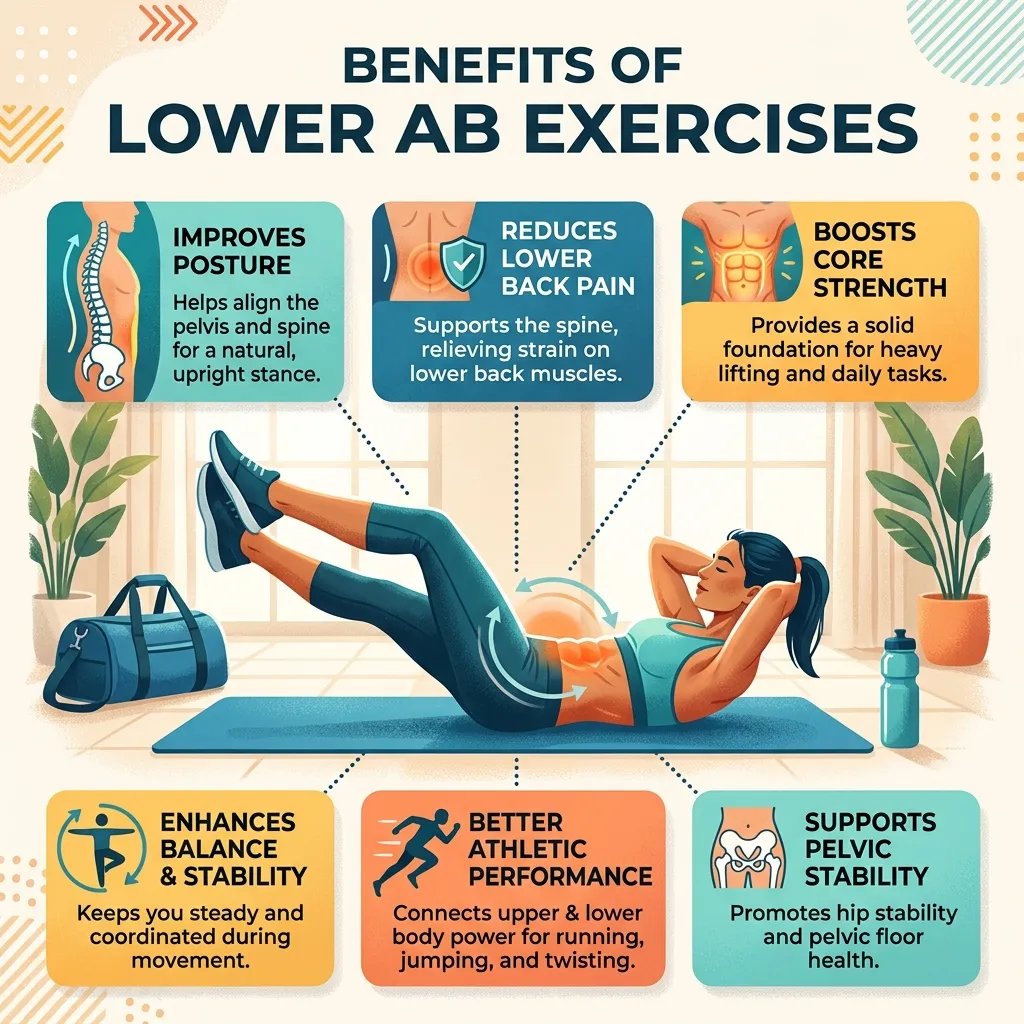
Lower abdominal exercises can contribute to better core strength, stability and movement control.
When performed consistently with proper technique, these movements can help develop abdominal endurance and support other physical activities.
Strengthen Your Core Muscles
Lower ab exercises challenge the abdominal muscles through controlled movements and stabilization.
Exercises such as dead bugs, reverse crunches and bent-knee raises require your core to work while your legs and pelvis move.
Developing core strength can make everyday movements feel more controlled.
Improve Pelvic Stability
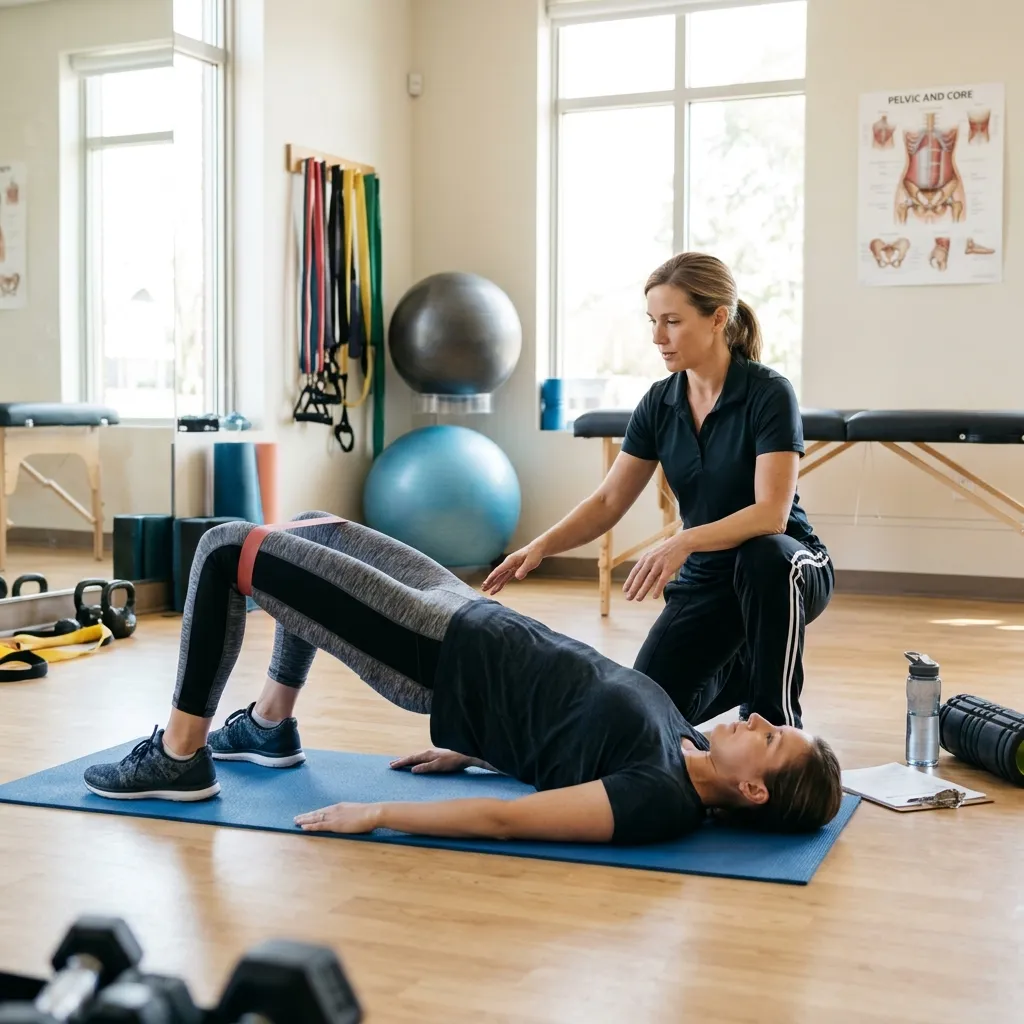
Your abdominal muscles help support and stabilize your pelvis during movement.
Exercises that involve controlled pelvic positioning can help improve coordination between your abdominal muscles and surrounding muscle groups.
This can be useful during activities such as walking, climbing stairs and performing strength exercises.
Support Better Movement Control
Many lower ab exercises require you to move your legs without allowing your lower back to arch excessively.
Practicing these movements can help develop better awareness of your body position.
This control can also be useful when performing other exercises that involve your hips, legs and torso.
Improve Muscular Endurance
Repeated abdominal movements can help improve your muscles’ ability to work over time.
For example, holding a modified plank or performing several controlled reverse crunches challenges your core muscles to maintain stability.
Gradually increasing exercise difficulty can help improve muscular endurance.
Exercise at Home Without Equipment
Most lower ab exercises require only a comfortable, stable surface.
You can perform movements such as heel taps, dead bugs, reverse crunches and modified leg raises using your body weight.
This makes core training convenient for people who prefer exercising at home.
Prepare Your Body Before Lower Ab Workouts
Before performing abdominal exercises, spend a few minutes preparing your body with gentle movements.
A warm-up helps increase circulation, activate the muscles and prepare your hips and trunk for exercise.
March in Place
Marching in place is a simple warm-up movement that gradually increases your activity level.
Stand upright with your feet hip-width apart.
Lift one knee at a time while moving your arms naturally.
Continue for approximately 30–60 seconds at a comfortable pace.
Perform Pelvic Tilts
Pelvic tilts help you practice controlling the position of your pelvis.
Lie on your back with your knees bent and your feet flat on the floor.
Gently tighten your abdominal muscles and tilt your pelvis so your lower back moves slightly toward the floor.
Release the position and return to a comfortable starting posture.
Repeat 8–10 times without forcing the movement.
Try Cat-Cow Stretch
The cat-cow movement gently mobilizes your spine and encourages coordination between your back and abdominal muscles.
Begin on your hands and knees.
Slowly round your back upward while gently drawing your abdomen inward.
Then move in the opposite direction by gently lowering your abdomen and lifting your chest.
Repeat several times while breathing naturally.
Include Gentle Knee Raises
Stand upright and slowly lift one knee toward your waist.
Lower it carefully and repeat with the opposite leg.
Continue alternating sides for approximately 30 seconds.
Keep your upper body stable and avoid rushing through the movement.
Best Lower Ab Exercises to Strengthen Your Core at Home
Lower ab exercises do not need to be complicated to challenge your abdominal muscles.
The following movements are useful options for different fitness levels and can be performed without special equipment.
Reverse Crunches
How To Do The Reverse Crunch | Coach
Reverse crunches are a popular abdominal exercise that focuses on controlled pelvic movement.
Lie on your back with your knees bent and your feet lifted off the floor.
Place your arms beside your body for support.
Gently tighten your abdominal muscles and bring your knees toward your chest.
Lift your hips slightly off the floor without swinging your legs.
Slowly lower your pelvis back to the starting position.
Begin with 8–12 controlled repetitions.
Avoid using momentum or pulling your knees forcefully toward your chest.
Bent-Knee Leg Raises
年過60小腹愈來愈明顯、腰部無力?4招床上運動恢復身材 | 養生保健 | 健康 | 世界新聞網
Bent-knee leg raises are a beginner-friendly alternative to straight-leg raises.
Lie on your back with your knees bent and your feet resting on the floor.
Place your hands beside your hips.
Gently tighten your abdomen and lift both knees toward your chest.
Slowly lower your feet toward the floor without allowing your lower back to arch excessively.
Repeat for 8–10 repetitions.
Keep the movement controlled and shorten the range if you experience discomfort.
Dead Bug Exercise
How To Do The Dead Bug Exercise | Coach
The dead bug exercise helps strengthen your core while improving coordination and stability.
Lie on your back with your arms extended toward the ceiling and your knees bent at approximately 90 degrees.
Slowly extend your right arm backward while extending your left leg forward.
Keep your abdomen engaged and your lower back comfortably supported.
Return to the starting position and repeat with the opposite arm and leg.
Perform 8–10 repetitions on each side.
Move slowly rather than trying to extend your arms and legs as far as possible.
Heel Taps
Heel taps are a simple abdominal exercise that encourages controlled core engagement.
Lie on your back with your knees bent and your feet flat on the floor.
Lift your head and shoulders slightly if comfortable, keeping your neck relaxed.
Reach your right hand toward your right heel, then return to the center.
Repeat the movement on your left side.
Continue alternating sides for 10–12 repetitions on each side.
Keep your movements controlled and avoid pulling your neck forward.
Flutter Kicks
La rutina de 10 minutos para fortalecer el abdomen en casa sin máquinas ni gimnasio
Flutter kicks involve alternating leg movements while maintaining abdominal stability.
Lie on your back with your legs extended.
Place your hands beside your body or beneath your hips if that position feels more comfortable.
Lift your legs slightly off the floor and alternate small, controlled kicks.
Keep your abdominal muscles engaged and avoid allowing your lower back to arch excessively.
Start with 10–15 seconds of movement.
If you cannot maintain comfortable lower-back positioning, bend your knees or choose dead bugs instead.
Scissor Kicks
Scissor kicks are another exercise that challenges abdominal stability through alternating leg movements.
Lie on your back with your legs extended.
Lift your legs slightly while keeping your abdominal muscles engaged.
Move one leg upward as the other moves downward, then switch positions in a controlled motion.
Continue alternating for approximately 10–15 seconds.
Keep the movement small enough to maintain control.
If your lower back becomes uncomfortable, stop and choose a less demanding exercise variation.
Mountain Climbers
Mountain climbers combine core stabilization with cardiovascular activity.
Begin in a high plank position with your hands beneath your shoulders.
Keep your body aligned and bring your right knee toward your chest.
Return your foot to the starting position and repeat with your left knee.
Continue alternating legs at a comfortable pace.
Start with 15–20 seconds of movement.
Beginners can slow down the exercise and focus on maintaining a stable upper body.
Bicycle Crunches
Mistakes You’re Making With Bicycle Crunches
Bicycle crunches work the abdominal muscles through alternating trunk rotations and leg movements.
Lie on your back with your knees bent and your hands gently supporting your head.
Lift your shoulders slightly and bring your right elbow toward your left knee.
Extend your right leg as you switch sides.
Continue alternating sides in a controlled movement.
Try 8–10 repetitions on each side.
Avoid pulling your head forward or rushing through the exercise.
Plank Knee Tucks
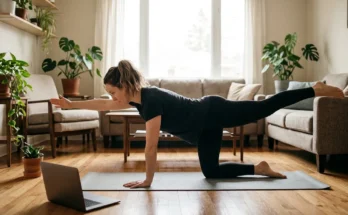
young woman, wearing casual sports clothing, exercises at home every day
Plank knee tucks challenge your abdominal muscles while requiring stability through your shoulders and hips.
Begin in a high plank position with your hands beneath your shoulders.
Keep your body aligned and slowly bring one knee toward your chest.
Return your foot to the starting position and repeat with the opposite leg.
Perform 8–10 repetitions on each side.
If this movement feels too difficult, practice a regular modified plank first.
Lying Knee Tucks
30-day abs challenge: get stronger abs in just one month | Fit&Well
Lying knee tucks are a controlled movement that targets your abdominal muscles.
Sit on the floor with your hands placed behind your hips for support.
Lean your upper body backward slightly while keeping your chest lifted.
Extend your legs forward, then draw both knees toward your chest.
Return to the starting position without dropping your feet heavily onto the floor.
Begin with 8–10 repetitions.
Keep your movements smooth and avoid rounding your back excessively.
Beginner-Friendly Lower Ab Workout Routine
If you are new to abdominal training, starting with a short routine can help you become familiar with different movements.
You do not need to perform every lower ab exercise in one session. Choose a few exercises and focus on maintaining good technique.
10-Minute Beginner Lower Ab Workout
The following routine combines simple abdominal movements that can be performed at home.
| Exercise | Suggested repetitions |
|---|---|
| Pelvic tilts | 10 repetitions |
| Dead bugs | 8 per side |
| Heel taps | 10 per side |
| Bent-knee leg raises | 8–10 repetitions |
| Reverse crunches | 8–10 repetitions |
| Modified plank | 15–20 seconds |
Complete one round initially.
Rest between exercises whenever necessary. If you become comfortable with the routine, you can gradually add another round.
Start With Gentle Movements
Begin with exercises that allow you to control your pelvis and abdominal muscles.
Pelvic tilts and dead bugs are useful starting options because they encourage controlled movement without requiring advanced strength.
Practice these movements slowly before progressing to more demanding exercises.
Focus on Controlled Repetitions
Avoid rushing through your workout to finish as quickly as possible.
For example, during reverse crunches, lift your hips gently and lower them slowly.
During dead bugs, move one arm and the opposite leg without allowing your torso to rotate.
Controlled movements help you focus on proper technique.
Increase Difficulty Gradually
Once you can perform the exercises comfortably, you can gradually increase repetitions or add another round.
You may also progress from bent-knee variations toward more challenging leg movements.
Make changes gradually and stop if you experience pain.
Create a Weekly Lower Ab and Core Workout Schedule
A weekly schedule can help you organize your exercise routine and avoid performing demanding abdominal exercises every day.
Your core muscles need recovery time, just like other muscle groups.
Here is an example of a balanced weekly routine for beginners.
| Day | Workout focus | Suggested duration |
|---|---|---|
| Monday | Beginner lower ab workout | 10–15 minutes |
| Tuesday | Walking and gentle stretching | 15–20 minutes |
| Wednesday | Full-body strength and core | 15–20 minutes |
| Thursday | Rest or light movement | As needed |
| Friday | Lower ab exercises | 10–15 minutes |
| Saturday | Walking or low-impact cardio | 15–25 minutes |
| Sunday | Rest and recovery | As needed |
Monday: Lower Abdominal Exercises
Begin the week with simple movements that target your core.
Include pelvic tilts, dead bugs, heel taps and reverse crunches.
Perform one round and focus on proper positioning.
Tuesday: Walking and Stretching
Choose a comfortable walking session and include gentle stretches afterward.
This allows you to remain active without performing another demanding abdominal workout.
Wednesday: Full-Body Strength Training
Include bodyweight squats, wall push-ups, glute bridges and bird dogs.
These exercises involve several muscle groups and encourage overall strength and stability.
Thursday: Recovery Day
Allow your muscles to recover.
You can enjoy gentle walking or comfortable mobility exercises if you feel like moving.
Friday: Repeat Your Lower Ab Workout
Repeat your beginner lower ab routine.
If the exercises feel easier than they did on Monday, you can gradually increase repetitions while maintaining good form.
Saturday: Low-Impact Cardio
Choose activities such as walking, cycling, or dancing.
Cardiovascular activity supports overall fitness and complements your strength-training routine.
Sunday: Rest and Recovery
Use Sunday to relax and allow your body to recover.
Rest is an important part of building a sustainable exercise habit.
Tips for Making Lower Ab Exercises More Effective
The quality of your movements matters more than the number of repetitions you complete.
A few practical habits can help you perform lower ab exercises with better control.
Keep Your Core Engaged
Before beginning an exercise, gently tighten your abdominal muscles.
This helps you maintain control while moving your legs or pelvis.
Avoid holding your breath or tightening your muscles so forcefully that you cannot move comfortably.
Avoid Arching Your Lower Back
Many lower abdominal exercises involve lifting or extending your legs.
If your lower back arches excessively, the movement may become difficult to control.
Reduce the range of motion, bend your knees, or choose an easier exercise variation.
Move Slowly and Smoothly
Controlled movements make it easier to maintain proper technique.
Avoid swinging your legs during leg raises or using momentum during reverse crunches.
Focus on the movement rather than trying to complete as many repetitions as possible.
Breathe Naturally
Breathing is an important part of performing abdominal exercises.
Generally, exhale during the more challenging part of the movement and inhale while returning to the starting position.
Avoid holding your breath throughout the exercise.
Allow Time for Recovery
Your abdominal muscles need recovery time after challenging workouts.
Avoid performing intense lower ab sessions every day.
Include rest days and other forms of physical activity in your weekly schedule.
Common Lower Ab Workout Mistakes to Avoid
Lower ab exercises can be helpful for developing core strength, but poor technique and unrealistic expectations can make training less effective.
Understanding these common mistakes can help you create a more comfortable workout routine.
Relying on Momentum
Swinging your legs during abdominal exercises can reduce your control over the movement.
For example, during leg raises, lifting your legs quickly and dropping them back down can make it harder to maintain abdominal engagement.
Slow down and use controlled movements.
Arching Your Lower Back
Excessive lower-back arching can occur when an exercise is too challenging.
This is particularly common during flutter kicks, leg raises and bicycle crunches.
Bend your knees, reduce the movement range, or switch to dead bugs if necessary.
Performing Too Many Repetitions
Completing a large number of repetitions does not automatically produce better results.
Quality should always come before quantity.
Start with a manageable number of repetitions and increase gradually as your strength improves.
Ignoring the Rest Periods
Your muscles need time to recover between challenging sets.
Trying to perform every exercise without breaks can make it difficult to maintain proper form.
Rest whenever needed and allow enough time between demanding sessions.
Expecting Spot Reduction
One of the most common misunderstandings about lower ab workouts is that they directly burn fat from the lower stomach.
Abdominal exercises strengthen the muscles underneath the skin, but they cannot determine where your body loses fat.
Focus on overall fitness rather than expecting one exercise to change a specific body area.
How to Build a Stronger Core Over Time
Developing core strength is a gradual process that requires consistent practice and suitable exercise progression.
Instead of changing your routine every few days, focus on improving your technique and building a manageable exercise habit.
Begin With Basic Exercises
Start with movements that help you understand abdominal engagement and pelvic control.
Dead bugs, pelvic tilts and modified planks are useful options.
Once you can perform them comfortably, introduce more challenging exercises.
Increase Repetitions Gradually
If you can complete your current routine without difficulty, consider adding one or two repetitions to selected exercises.
You can also increase your holding time slightly during modified planks.
Make small changes rather than increasing everything at once.
Include Full-Body Strength Exercises
Core strength is only one part of overall fitness.
Include movements such as squats, lunges, glute bridges and push-ups to strengthen other muscle groups.
A balanced exercise routine can support better movement and physical performance.
Maintain a Consistent Schedule
Choose a realistic number of workout sessions each week.
For beginners, two or three structured core or strength sessions can be a reasonable starting point.
Consistency is more valuable than performing an intense workout occasionally.
Support Your Routine With Healthy Habits
Regular physical activity works alongside adequate sleep, balanced meals and sufficient hydration.
Avoid restrictive eating habits or extreme exercise routines in an attempt to achieve faster body changes.
Focus on habits that support your overall health.
Safety Tips Before Starting Lower Ab Workouts
Although many abdominal exercises are suitable for beginners, it is important to consider your individual fitness level and physical condition.
Choosing appropriate movements and maintaining proper technique can help make your workouts more comfortable.
Start With Beginner-Friendly Variations
You do not need to perform advanced leg raises or challenging plank variations immediately.
Begin with pelvic tilts, dead bugs, heel taps and modified planks.
Gradually progress as your abdominal strength and movement control improve.
Use a Comfortable Exercise Surface
Perform floor exercises on a stable, nonslip surface.
An exercise mat can provide additional comfort for your back, hips and knees.
Avoid exercising on unstable furniture or surfaces.
Stop if You Experience Pain
Mild muscle fatigue can occur during exercise, but sharp or persistent pain should not be ignored.
Stop the movement if you experience discomfort in your lower back, hips, or abdomen.
Choose an easier variation or seek professional guidance when necessary.
Consider Existing Health Conditions
If you have a back injury, abdominal surgery history, chronic medical condition, or significant pelvic discomfort, consult a qualified healthcare professional before beginning a new core workout program.
People who are pregnant or recovering after childbirth may need individualized exercise modifications.
Avoid Overtraining
Performing intense abdominal exercises every day is unnecessary.
Allow your muscles time to recover and alternate challenging workouts with lighter activity.
If you experience severe pain, fainting, unusual weakness, or other concerning symptoms, stop exercising and seek appropriate medical advice.
Frequently Asked Questions
What are the best lower ab exercises for beginners?
Some beginner-friendly lower ab exercises include dead bugs, reverse crunches, heel taps, pelvic tilts and bent-knee leg raises. These movements can help develop abdominal strength and control without requiring special equipment.
Can lower ab exercises reduce lower belly fat?
No. Lower ab exercises strengthen the abdominal muscles but cannot selectively remove fat from the lower stomach. Changes in body fat distribution depend on genetics, nutrition, physical activity and individual physiology.
How often should I do lower ab workouts?
Beginners can start with two or three core workout sessions per week, allowing recovery time between challenging sessions. The appropriate frequency depends on your fitness level and overall exercise routine.
Can I do lower ab exercises at home without equipment?
Yes. Many lower ab exercises, including reverse crunches, dead bugs, heel taps and bent-knee leg raises, use only your body weight. A comfortable exercise mat can make floor movements easier.
How long should a lower ab workout last?
A beginner lower ab workout can last approximately 10–15 minutes. Start with a few exercises and gradually increase the number of repetitions or rounds as your strength improves.
Are leg raises good for lower abs?
Leg raises challenge the abdominal muscles and hip flexors while requiring core stabilization. Beginners can start with bent-knee variations and progress gradually while maintaining comfortable lower-back positioning.
Why does my lower back hurt during lower ab exercises?
Lower-back discomfort can occur when an exercise is too challenging, your lower back arches excessively, or your movement technique needs adjustment. Reduce the range of motion, bend your knees, or choose an easier exercise. Persistent pain should be evaluated by a healthcare professional.
Can I train my lower abs every day?
You do not need to train your abdominal muscles intensely every day. Like other muscles, they benefit from recovery time. Alternate core workouts with walking, other physical activities and rest days.
Do lower ab workouts help improve posture?
Core exercises can contribute to better trunk stability and movement control. However, posture involves several muscle groups and everyday movement habits, so lower ab exercises alone cannot guarantee improved posture.
What should I do after a lower ab workout?
After exercising, you can perform gentle stretches, walk comfortably and allow your breathing to return to normal. Stay hydrated and give your muscles enough time to recover before your next challenging session.
Conclusion
Lower ab exercises are a practical way to strengthen your abdominal muscles, improve core stability and develop better movement control from the comfort of your home. Movements such as reverse crunches, dead bugs, heel taps, bent-knee leg raises and modified planks provide beginner-friendly options that require little or no equipment.
The most important part of building a stronger core is learning proper exercise technique and progressing gradually. Start with simple movements, focus on controlled repetitions and allow your muscles enough time to recover between challenging workouts.
Remember that strengthening your lower abdominal muscles is different from reducing lower belly fat. A balanced fitness routine that includes full-body strength training, cardiovascular activity, nutritious meals and sufficient rest can support your overall well-being.
With patience and consistency, Lower Ab Workouts can become a useful part of your fitness routine, helping you develop a stronger core and feel more confident during everyday physical activities.

One Comment on “Lower Ab Exercises to Strengthen Your Core at Home”