
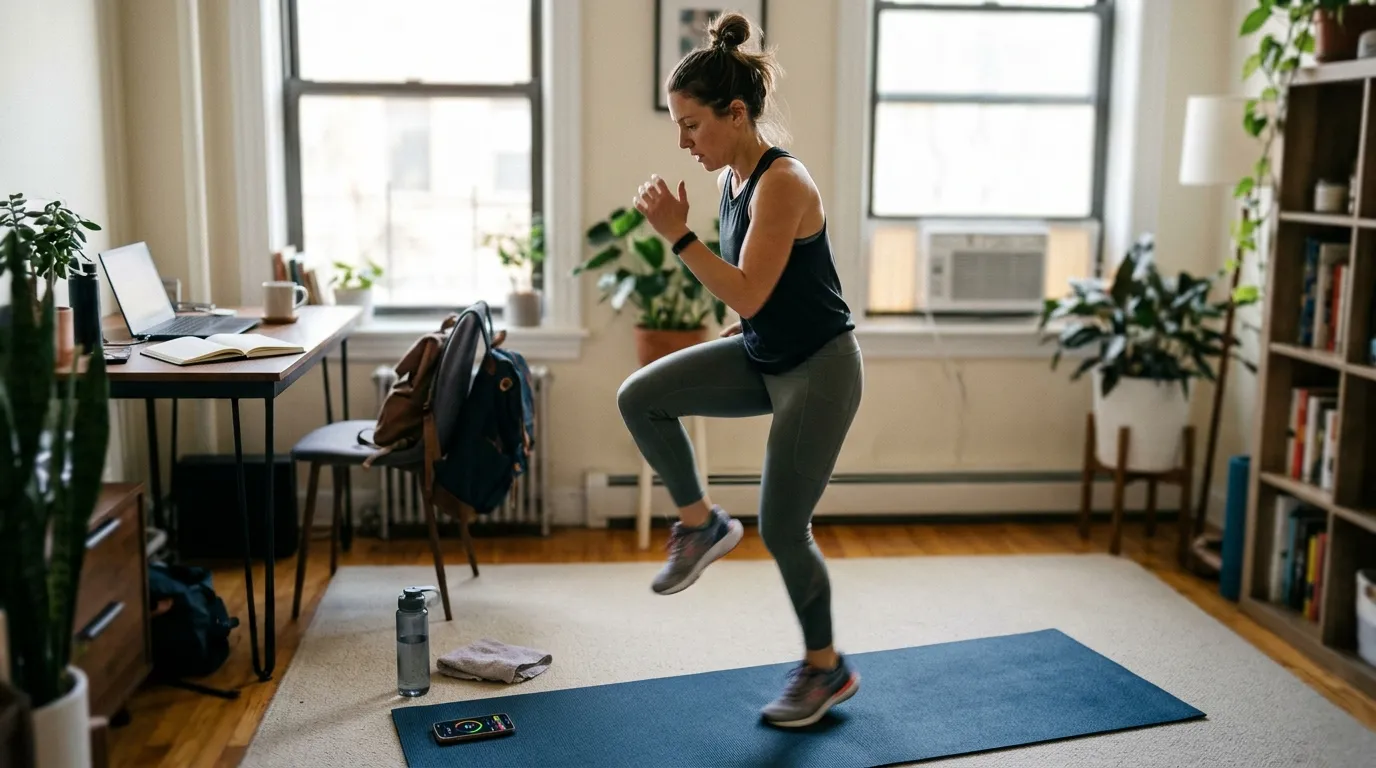
Finding time to exercise can be difficult when your day is already filled with work, family responsibilities, studies and other commitments. Although regular physical activity is important for overall health, not everyone has an hour to spend at the gym or follow a complicated fitness schedule. Fortunately, even a short workout can be a practical way to add more movement to your daily routine.
The 7-minute workout is a convenient exercise approach that combines several bodyweight movements into one short session. It typically includes exercises that target different muscle groups while incorporating cardiovascular activity. Because most movements require little or no equipment, you can perform this routine at home, in a small room, or while traveling.
For beginners and busy individuals, short workouts can make exercise feel more manageable. Exercises such as jumping jacks, wall sits, push-ups, abdominal crunches and planks can help develop muscular endurance, coordination and cardiovascular fitness when performed at an appropriate intensity.
However, the goal is not to rush through every movement or push your body beyond its limits. Proper technique, suitable exercise modifications and consistency are more important than completing a workout as quickly as possible.
This guide explains how the 7-minute workout works, which exercises to include, how to perform each movement correctly and how to adapt the routine to different fitness levels.
Understanding How the 7-Minute Workout Works
The 7-minute workout is a short, structured exercise routine designed to involve multiple muscle groups within a limited amount of time.
A traditional version uses 12 exercises performed for 30 seconds each, with approximately 10 seconds of rest or transition time between movements. This creates a total workout duration of around seven minutes.
The routine combines strength-based movements and cardiovascular exercises to provide a full-body challenge.
Combine Strength and Cardio Exercises
One of the main features of this workout is the combination of different exercise types.
Strength exercises such as push-ups, squats and wall sits target major muscle groups and help develop muscular endurance.
Cardiovascular movements such as jumping jacks and running in place increase your heart rate and encourage greater physical activity.
Combining these movements allows you to work different areas of your body within a relatively short session.
Use Short Exercise Intervals
The traditional routine uses short intervals to keep the workout organized and straightforward.
Each exercise is generally performed for 30 seconds, followed by a short recovery period.
For beginners, this timing can be adjusted. You might perform each exercise for 15–20 seconds and rest longer between movements until your fitness improves.
The objective is to maintain proper form rather than complete as many repetitions as possible.
Exercise Multiple Muscle Groups
A full-body routine includes movements that target the legs, glutes, chest, shoulders, arms, abdomen and back.
This variety helps prevent the workout from focusing exclusively on one area.
It also makes the routine convenient for people who want to include different types of physical activity without creating a complicated exercise schedule.
Read More: Home Workouts for Women: Beginner-Friendly Exercises Without Equipment
Adjust the Intensity to Your Fitness Level
Not everyone needs to perform the same exercise variations or work at the same speed.
Beginners can choose low-impact alternatives, reduce the exercise duration, or take additional recovery time.
As your strength and stamina improve, you can gradually increase the intensity while maintaining proper technique.
Benefits of a Short Full-Body Workout
Short exercise sessions can offer several benefits when they are performed regularly and combined with an otherwise active lifestyle.
Although seven minutes of exercise cannot replace every aspect of a comprehensive fitness program, it can be a useful starting point for building a consistent movement habit.
Save Time During Busy Days
One of the biggest advantages of a short workout is convenience.
You do not need to organize a long gym session or spend a significant amount of time preparing equipment.
A quick routine can fit into a morning schedule, a lunch break, or a short period between daily responsibilities.
This makes it easier to include physical activity even when your schedule is demanding.
Improve Muscular Endurance
Exercises such as squats, push-ups, planks and lunges require your muscles to work repeatedly or maintain a position for a period of time.
Practicing these movements can help improve muscular endurance and make everyday activities more manageable.
For example, stronger leg muscles can support activities such as climbing stairs, while improved upper-body strength can help with lifting and carrying objects.
Support Cardiovascular Fitness
Cardiovascular exercises increase your heart rate and encourage your heart and lungs to work more actively.
Movements such as jumping jacks, high knees and running in place can contribute to cardiovascular fitness.
You can choose lower-impact variations if jumping movements feel uncomfortable.
Develop Better Exercise Habits
Starting with a short routine can make exercise feel less overwhelming.
Instead of worrying about finding an entire hour, you can focus on completing a manageable session.
Over time, this may help you become more comfortable with regular movement and encourage you to explore additional physical activities.
Improve Coordination and Balance
Many bodyweight exercises require you to coordinate your arms, legs and core muscles.
Movements such as lunges, high knees and planks can help develop body awareness and movement control.
Practicing these exercises with proper technique can also help you become more comfortable with different movement patterns.
Prepare Your Body Before Starting the Workout
Even a short workout should begin with a warm-up.
A few minutes of gentle movement can gradually increase your heart rate, prepare your muscles and help your body transition into more active exercise.
March in Place
Marching in place is an easy way to begin preparing your body for physical activity.
Stand upright with your feet approximately hip-width apart.
Lift one knee at a time while moving your arms naturally.
Start slowly and gradually increase your pace as you become more comfortable.
Continue for approximately 30–60 seconds.
Perform Arm Circles
Arm circles help prepare your shoulder muscles for exercises such as push-ups and planks.
Stand comfortably and extend both arms out to the sides.
Make small circles with your arms, gradually increasing their size if the movement feels comfortable.
Continue for 15–20 seconds before reversing the direction.
Try Gentle Squats
Gentle squats help prepare your hips, thighs and glutes for lower-body movements.
Stand with your feet approximately shoulder-width apart.
Push your hips backward and bend your knees slightly.
Lower your body only as far as comfortable, then return to standing.
Perform 8–10 controlled repetitions.
Include Shoulder Rolls
Shoulder rolls are useful for gently loosening your upper body.
Stand upright with your arms relaxed.
Slowly roll your shoulders forward, upward, backward and downward.
Repeat several times, then reverse the direction.
Avoid forcing the movement or creating unnecessary tension in your neck.
The 12 Exercises in a Traditional 7-Minute Workout
A traditional 7-minute workout contains 12 exercises that target different muscle groups.
Each movement is generally performed for 30 seconds, with approximately 10 seconds between exercises.
The following exercises provide a practical full-body sequence that you can adapt to your fitness level.
Jumping Jacks
Jumping jacks are a cardiovascular exercise that involves coordinated movements of the arms and legs.
They help increase your heart rate while engaging muscles throughout your body.
Stand upright with your feet together and your arms relaxed beside you.
Jump or step your feet outward while raising your arms overhead.
Return to the starting position by bringing your feet together and lowering your arms.
Continue the movement at a steady pace for 30 seconds.
Beginners can perform step jacks by moving one foot outward at a time instead of jumping.
Wall Sit

Wall sits are an isometric exercise that primarily targets the quadriceps, glutes and other supporting lower-body muscles.
Stand with your back against a wall and your feet slightly forward.
Slowly slide your back down the wall while bending your knees.
Stop at a comfortable position and keep your feet flat on the floor.
Hold the position for approximately 20–30 seconds.
Beginners can avoid lowering too far and gradually increase their holding time as their strength improves.
Push-Ups

Push-ups strengthen the chest, shoulders, triceps and core muscles.
Begin in a plank position with your hands slightly wider than shoulder-width apart.
Keep your body aligned and bend your elbows to lower your chest toward the floor.
Push through your hands to return to the starting position.
Continue performing controlled repetitions for 30 seconds.
If traditional push-ups feel difficult, try knee push-ups or wall push-ups instead.
Abdominal Crunches
Abdominal crunches target the muscles at the front of your abdomen.
Lie on your back with your knees bent and your feet flat on the floor.
Place your hands gently beside your head or across your chest.
Tighten your abdominal muscles and lift your shoulders slightly off the floor.
Pause briefly before slowly lowering yourself.
Repeat the movement with controlled breathing.
Avoid pulling on your neck or trying to lift your entire upper body.
Step-Ups
Step-ups work the muscles in your thighs, glutes and legs.
Stand in front of a stable, low step or platform that is designed for exercise.
Place one foot on the platform and press through that foot to step upward.
Bring your other foot onto the platform, then step down carefully.
Alternate your leading leg throughout the exercise.
Use a low platform and maintain balance. If you do not have a suitable step, substitute controlled standing knee raises.
Squats

Squats are a fundamental lower-body exercise that targets your quadriceps, glutes and hamstrings.
Stand with your feet approximately shoulder-width apart.
Push your hips backward and bend your knees as though sitting on a chair.
Keep your chest lifted and your feet firmly on the floor.
Lower yourself to a comfortable depth before pressing through your feet to stand.
Continue for 30 seconds using controlled repetitions.
Triceps Dips
Triceps dips target the muscles at the back of your upper arms.
Sit on the edge of a sturdy, stable exercise bench designed to support your body weight.
Place your hands beside your hips and carefully move your hips forward.
Bend your elbows slightly to lower your body, then press through your hands to return upward.
Perform only a comfortable range of motion.
This exercise can place considerable stress on the shoulders. Beginners may prefer gentle triceps extensions without equipment or another comfortable upper-body exercise.
Plank
The plank is a core-strengthening exercise that activates the abdominal muscles, shoulders and other stabilizing muscles.
Begin on your forearms and toes, keeping your elbows beneath your shoulders.
Lift your body and maintain a straight, comfortable alignment.
Engage your abdomen and avoid allowing your hips to drop or rise excessively.
Hold for approximately 20–30 seconds.
Beginners can perform a modified plank with their knees resting on the floor.
High Knees
High knees are a cardiovascular movement that combines marching or running with alternating knee lifts.
Stand upright and begin lifting your knees toward your waist one at a time.
Move your arms naturally and maintain a steady rhythm.
Continue for 30 seconds.
If you are new to exercise, perform a slower marching variation instead of running.
Lunges
Lunges help strengthen your quadriceps, glutes and supporting leg muscles.
Stand upright with your feet hip-width apart.
Step one foot forward and bend both knees to lower your body.
Keep your front foot stable and your torso upright.
Push through your front foot to return to the starting position.
Repeat with the opposite leg.
Beginners can perform reverse lunges or supported lunges while holding a sturdy chair.
Push-Up Rotation
Push-up rotations combine an upper-body movement with a controlled torso rotation.
Begin in a plank position with your hands beneath your shoulders.
Lower yourself into a push-up if comfortable, then return to the starting position.
Rotate your torso gently and extend one arm toward the ceiling.
Return your hand to the floor and repeat on the opposite side.
If this movement is too challenging, perform a modified push-up or a stationary plank instead.
Side Plank
Side planks target the muscles along the sides of your abdomen and help develop core stability.
Lie on one side with your elbow positioned beneath your shoulder.
Stack your legs or bend your knees for a modified variation.
Lift your hips away from the floor while keeping your body aligned.
Hold for approximately 15–20 seconds before switching sides.
Focus on maintaining a comfortable position rather than holding the plank for an extended period.
How to Modify the 7-Minute Workout for Beginners
Although the traditional routine is designed around short, challenging exercise intervals, beginners do not need to follow the original intensity immediately.
Making small adjustments can help you develop strength and confidence while reducing unnecessary strain.
Reduce the Exercise Duration
If 30 seconds of continuous exercise feels difficult, begin with shorter intervals.
You can perform each movement for 15–20 seconds and rest for 15–20 seconds before moving to the next exercise.
Gradually increase the working time as your fitness improves.
Choose Low-Impact Alternatives
Some traditional exercises involve jumping or rapid movements.
If these exercises feel uncomfortable, choose gentler variations.
For example, replace jumping jacks with step jacks, high knees with marching in place and traditional push-ups with wall push-ups.
These modifications allow you to remain active while adjusting the workout to your abilities.
Take Additional Rest Periods
The traditional routine uses short recovery periods, but beginners may need more time between exercises.
Take enough rest to regain comfortable breathing and prepare for the next movement.
You do not need to rush through the routine to benefit from physical activity.
Focus on Proper Technique
Learning correct movement patterns should be your priority.
Perform fewer repetitions if necessary, maintain controlled movements and avoid exercises that cause pain.
As you become more comfortable, you can gradually increase your repetitions or choose more challenging variations.
Create a Weekly Workout Schedule
Although the 7-minute workout is short, you can combine it with other forms of physical activity to create a more balanced weekly routine.
The following schedule is an example for someone who wants to build a regular exercise habit.
| Day | Activity | Suggested duration |
|---|---|---|
| Monday | Full-body 7-minute workout | 7–10 minutes |
| Tuesday | Walking or low-impact cardio | 15–20 minutes |
| Wednesday | Full-body strength routine | 10–15 minutes |
| Thursday | Gentle stretching and mobility | 10–15 minutes |
| Friday | 7-minute workout | 7–10 minutes |
| Saturday | Walking, dancing, or cycling | 15–25 minutes |
| Sunday | Rest and recovery | As needed |
You can adjust the schedule according to your current fitness level and daily responsibilities.
Monday: Full-Body Workout
Start the week with a short routine that includes different muscle groups.
Choose movements such as squats, wall push-ups, glute bridges, marching in place and modified planks.
Focus on learning the correct technique rather than increasing the intensity.
Tuesday: Light Cardiovascular Activity
Use Tuesday for comfortable movement that supports cardiovascular fitness.
Walking, cycling, dancing, or low-impact cardio exercises are suitable options.
Choose an activity that feels enjoyable and manageable.
Wednesday: Strength and Stability
Focus on simple bodyweight exercises that develop strength and coordination.
Include squats, reverse lunges, wall push-ups and bird dogs.
Take breaks between exercises and avoid training through discomfort.
Thursday: Stretching and Mobility
Use this day for gentle movement and recovery.
You can perform shoulder rolls, hip circles, hamstring stretches and comfortable walking.
Keep the movements relaxed and avoid forcing your joints into uncomfortable positions.
Friday: Repeat the 7-Minute Routine
Repeat your short full-body workout using the exercise variations that feel most comfortable.
If your strength and stamina have improved, you can gradually increase the duration of selected exercises.
Saturday: Enjoyable Physical Activity
Choose an activity that makes movement enjoyable.
Dancing, walking outdoors, or cycling can help you stay active without repeating the same workout.
Sunday: Rest and Recovery
Allow your body time to recover from the week’s activities.
Rest is an important part of a balanced exercise routine and can help prepare you for the following week.
Tips for Getting More From Your Short Workouts
A short workout can be a useful part of your fitness routine, but how you approach each session matters.
A few practical habits can help make your exercise sessions more comfortable and effective.
Warm Up Before Every Session
Avoid beginning demanding movements immediately after sitting or resting for a long time.
Spend approximately 3–5 minutes marching in place, moving your arms and performing gentle bodyweight movements.
This helps prepare your body for exercise.
Maintain a Comfortable Exercise Pace
Moving faster does not automatically make a workout more effective.
Focus on controlled repetitions and proper technique.
If you cannot maintain good form, slow down or choose an easier variation.
Use a Timer to Stay Organized
A simple timer can help you manage exercise and rest intervals.
Set your working and recovery periods before beginning so you do not need to keep checking the clock.
However, do not let the timer force you to continue when you need additional rest.
Combine Short Workouts With Daily Movement
A seven-minute routine is only one part of an active lifestyle.
You can also increase daily movement by walking during breaks, taking the stairs when appropriate, stretching between tasks, or choosing active hobbies.
These additional activities can contribute to your overall physical activity.
Prioritize Recovery and Sleep
Your body needs time to recover after exercise.
Adequate sleep, balanced meals and regular hydration support normal recovery and help you maintain your routine.
Avoid performing intense sessions when you are excessively tired or unwell.
Common Mistakes to Avoid During a 7-Minute Workout
Short workouts can feel convenient, but rushing through movements or ignoring your body’s needs can make exercise less comfortable.
Understanding common mistakes can help you approach your routine more safely.
Skipping the Warm-Up
Starting with demanding movements before preparing your body can make the workout feel unnecessarily difficult.
Include a few minutes of gentle movement before beginning the routine.
Rushing Through Exercises
Trying to complete as many repetitions as possible can affect your technique.
For example, performing fast squats without maintaining control may make it harder to use proper movement patterns.
Slow down and focus on each repetition.
Ignoring Exercise Modifications
Not every movement is suitable for every beginner.
If jumping jacks, push-ups, or lunges feel too challenging, choose easier alternatives.
Modifications are a useful way to build strength gradually.
Exercising Through Pain
Muscle fatigue and mild exertion can occur during physical activity, but sharp or persistent pain should not be ignored.
Stop the movement if it causes pain and seek professional advice when necessary.
Expecting Immediate Results
A seven-minute routine is not a shortcut to instant fitness or dramatic body changes.
Improvements in strength, stamina and coordination take time.
Focus on consistent activity and realistic expectations instead of expecting major changes after a few sessions.
How to Stay Consistent With Short Workouts
One advantage of short workouts is that they can be easier to fit into a busy lifestyle.
However, developing a lasting exercise habit still requires planning and realistic goals.
Choose a Convenient Time
Select a time when you can exercise without feeling rushed.
Some people prefer completing a short workout after waking up, while others enjoy exercising during a lunch break or in the evening.
Choose a time that works naturally with your schedule.
Keep Your Workout Space Ready
You do not need a dedicated home gym.
Choose a small area with enough room to extend your arms and legs comfortably.
Keep your exercise mat and water nearby so you can begin without spending extra time preparing.
Set Small Weekly Goals
Start with achievable goals, such as completing two or three short workout sessions each week.
Once the routine becomes comfortable, you can gradually add more physical activity.
Small goals can help make exercise feel manageable.
Track Your Exercise Sessions
A simple workout journal can help you monitor your progress.
Record the days you exercised, which movements you completed and how comfortable the exercises felt.
You can also note improvements in balance, stamina and movement quality.
Make Exercise Enjoyable
Listen to music, follow a comfortable workout video, or invite a family member to exercise with you.
Adding enjoyable elements can make physical activity feel less like another responsibility.
Safety Tips Before Starting a 7-Minute Workout
Although many bodyweight exercises are suitable for beginners, it is important to consider your individual health, fitness level and physical abilities.
A safe routine should challenge your body without forcing you into uncomfortable movements.
Start at Your Current Fitness Level
Do not feel pressured to perform the most difficult exercise variations.
Begin with supported squats, wall push-ups, step jacks and modified planks if necessary.
You can increase the difficulty as your strength and coordination improve.
Exercise on a Stable Surface
Choose a flat, nonslip surface with enough space for movement.
Avoid using unstable furniture or objects as exercise platforms.
If your routine includes step-ups or triceps dips, use only equipment specifically designed to support your body safely.
Stay Hydrated
Drink water regularly throughout the day, especially when exercising in warm conditions.
Pay attention to thirst and your body’s hydration needs.
Allow Time for Recovery
You do not need to perform an intense full-body workout every day.
Alternate challenging sessions with lighter movement and rest days.
If your muscles remain very sore, give yourself additional recovery time.
Seek Professional Guidance When Necessary
If you have an existing injury, chronic medical condition, balance difficulties, or another health concern, consult a qualified healthcare professional before starting a new exercise routine.
Pregnant women and people recovering from surgery may also need individualized exercise recommendations.
Stop exercising and seek appropriate medical attention if you experience chest pain, fainting, severe dizziness, or unusual shortness of breath.
Frequently Asked Questions
Is a 7-minute workout enough for beginners?
A seven-minute workout can be a convenient starting point for beginners who want to develop a regular exercise habit. It can involve several muscle groups and include cardiovascular movements. However, it should be considered part of an overall active lifestyle rather than a complete replacement for all recommended physical activity.
How many exercises are included in a traditional 7-minute workout?
A traditional 7-minute workout includes 12 exercises. Each exercise is generally performed for 30 seconds, with approximately 10 seconds of rest or transition time between movements.
Can I do the 7-minute workout every day?
You can perform gentle movement daily, but an intense full-body workout is not necessary every day. Allow your muscles time to recover and include lighter activities or rest days throughout your week.
Do I need equipment for a 7-minute workout?
No. Most traditional 7-minute workout movements use bodyweight resistance and do not require special equipment. However, certain variations, such as step-ups or triceps dips, may involve a suitable stable platform or exercise bench. You can choose alternatives if you do not have appropriate equipment.
Can beginners modify the 7-minute workout?
Yes. Beginners can reduce exercise intervals, take longer breaks and choose easier variations. For example, step jacks can replace jumping jacks, wall push-ups can replace traditional push-ups and modified planks can replace full planks.
Is a 7-minute workout a full-body workout?
A traditional routine includes movements that target several major muscle groups, including the legs, glutes, chest, shoulders, arms and core. However, the amount of training each muscle receives depends on the exercises performed and their intensity.
What is the best time to do a 7-minute workout?
There is no single best time for everyone. You can exercise in the morning, afternoon, or evening depending on your schedule and personal preference. Choose a time when you can exercise comfortably and consistently.
Should I warm up before a short workout?
Yes. Even a short workout should include a warm-up. A few minutes of marching, arm circles, shoulder rolls and gentle squats can help prepare your body for exercise.
Can I combine a 7-minute workout with walking?
Yes. Walking is an excellent activity to combine with short bodyweight workouts. You can use walking on alternate days or add comfortable walks throughout your daily routine.
How can I make my 7-minute workout more challenging?
Once the exercises become comfortable, you can gradually increase repetitions, extend selected exercise intervals, reduce unnecessary breaks, or choose more challenging variations. Make only gradual adjustments and maintain proper form.
Conclusion
The 7-minute workout is a convenient way to include physical activity in a busy daily schedule without needing an expensive gym membership or complicated equipment. By combining bodyweight strength exercises with cardiovascular movements, you can target several major muscle groups within a short session.
The most important part of following this routine is choosing exercises that match your fitness level. Beginners can start with modified movements, shorter intervals and additional rest periods before gradually increasing the difficulty. Proper technique, warm-ups and recovery should always remain priorities.
Remember that a short workout is only one part of a healthy and active lifestyle. Combining regular exercise with walking, balanced nutrition, sufficient sleep and everyday movement can support your overall well-being.
With realistic expectations and consistent effort, 7 Minute Workout sessions can become a practical way to stay active, develop strength and make exercise easier to fit into even your busiest days.

One Comment on “The 7-Minute Workout: A Quick Full-Body Routine for Busy Days”