

Good nutrition is one of the foundations of a healthy lifestyle. The food you eat provides energy, supports growth and repair, strengthens normal body functions and helps you stay active throughout the day. However, understanding what to eat can feel confusing when you encounter conflicting diet advice, strict meal plans and claims about so-called superfoods.
The good news is that healthy eating does not have to be complicated or expensive. You do not need special supplements, unusual ingredients, or a perfect diet to improve your nutrition. Learning the basics and making practical changes to your everyday meals can help you build a more balanced eating routine.
Nutrition involves more than counting calories. Your body needs a variety of nutrients, including carbohydrates, protein, fats, vitamins, minerals and water. Each plays a different role in maintaining health. The amount you need depends on factors such as your age, activity level, health status and stage of life.
This guide explains the fundamentals of nutrition, how to build balanced meals, which foods provide essential nutrients and how to develop eating habits that are realistic for your lifestyle and budget.
What Is Nutrition and Why Does It Matter
Nutrition is the process through which your body obtains and uses nutrients from food and beverages. These nutrients support the many functions that keep you alive and help your body respond to everyday physical demands.
Your body needs energy to breathe, maintain body temperature, circulate blood, digest food, move muscles and support the brain. It also needs nutrients to maintain bones, repair tissues, produce hormones and support the immune system.
A balanced diet supplies these nutrients in appropriate amounts. Eating too little, consuming excessive amounts of certain foods, or having a diet that lacks variety can affect health over time.
Good nutrition does not mean that every meal must be perfectly balanced. What matters more is your overall eating pattern. A nutritious routine can include foods you enjoy while providing enough essential nutrients to support your needs.
The Difference Between Healthy Eating and Dieting
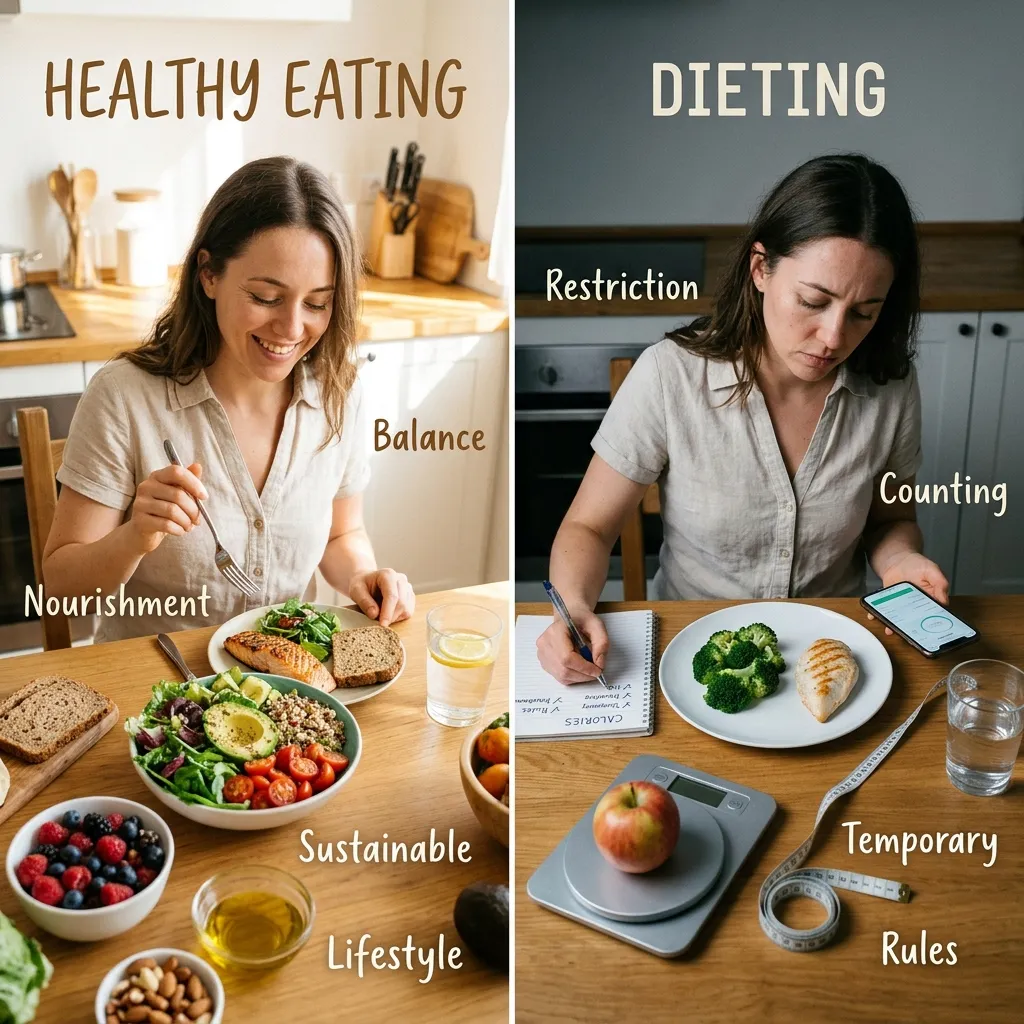
Dieting is often associated with restricting food intake to achieve a particular weight. Healthy eating has a broader purpose. It focuses on obtaining sufficient nutrients, supporting normal body functions, maintaining energy, and reducing the risk of diet-related health problems.
A restrictive diet may eliminate foods without a medical reason or make eating unnecessarily difficult. In contrast, a balanced approach emphasizes variety, appropriate portions and flexibility.
For example, you can enjoy rice, bread, potatoes, fruit, dairy products and occasional desserts while maintaining a nutritious diet. You do not need to label all foods as either good or bad.
The goal is to create an eating pattern that supports your health and fits your daily life.
Read More: Keto Diet for Beginners: Foods to Eat, Avoid and Try
Understanding the Essential Nutrients
Your body requires several categories of nutrients to function properly. Each has a specific role and a varied diet helps you obtain them in suitable amounts.
Carbohydrates Provide Energy
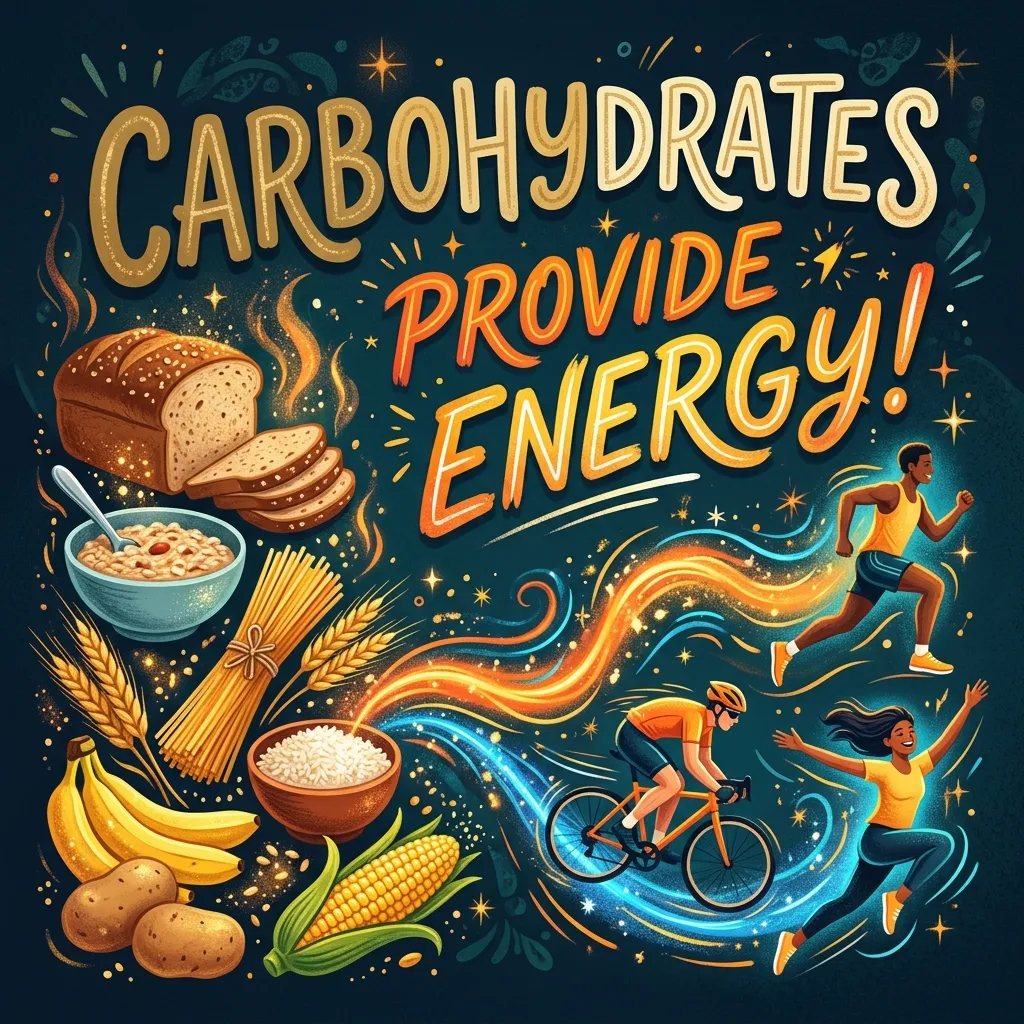
Carbohydrates are an important source of energy for the body. During digestion, many carbohydrates are broken down into glucose, which cells use for energy.
Carbohydrate-rich foods include rice, bread, oats, potatoes, corn, fruit, beans and lentils. These foods differ in their fiber content and overall nutritional value.
Whole grains, vegetables, fruits and legumes provide carbohydrates alongside fiber and other nutrients. They are generally useful choices for a balanced eating pattern.
You do not need to eliminate carbohydrates to eat healthily or manage your weight. Instead, consider the quality of your carbohydrate sources and choose portions that meet your needs.
For example, you could combine whole-wheat bread with eggs at breakfast or serve rice with lentils and vegetables at lunch. These combinations provide energy along with protein and other essential nutrients.
Protein Supports Growth and Repair
Protein is necessary for building and maintaining muscles, repairing tissues, producing enzymes and supporting immune function.
Your body breaks dietary protein into amino acids, which it uses to perform these tasks. Some amino acids must come from food because the body cannot produce them in sufficient amounts.
Good protein sources include eggs, fish, chicken, lean meat, milk, yogurt, beans, lentils, chickpeas, tofu, nuts and seeds.
Plant-based foods can provide substantial protein, particularly when you regularly eat legumes, soy products and whole grains. Eating a variety of protein sources helps you obtain a broader range of nutrients.
Your individual protein requirements depend on age, body size, physical activity, pregnancy status and health conditions. People with certain kidney conditions may require personalized guidance about protein intake.
Fats Support Essential Body Functions
Dietary fats provide energy, help the body absorb vitamins A, D, E and K and contribute to cell structure and hormone production.
Fat is not something you need to eliminate from your diet. The type of fat you consume is important.
Unsaturated fats are found in foods such as olive oil, nuts, seeds, avocado and oily fish. Replacing some saturated fats with unsaturated fats can support cardiovascular health.
Saturated fats are found in foods such as butter, fatty meat and some tropical oils. It is generally advisable to limit excessive intake of saturated fats and avoid industrial trans fats where possible.
Because fats contain more energy per gram than carbohydrates or protein, portion sizes can influence your overall energy intake. However, foods containing healthy fats can still be valuable parts of balanced meals.
Vitamins Help Regulate Body Processes
Vitamins are essential nutrients that support numerous processes, including vision, immune function, energy metabolism, blood formation and tissue maintenance.
Different vitamins have different roles. Vitamin C supports collagen formation and helps the body absorb iron from plant foods. Vitamin A supports normal vision and immune function. B vitamins contribute to energy metabolism and other essential processes.
Vitamin D helps regulate calcium absorption and supports bone health. Vitamin K plays a role in blood clotting and bone metabolism.
A varied diet containing vegetables, fruits, whole grains, dairy products or suitable alternatives, legumes, eggs and other nutrient-rich foods can provide many essential vitamins.
However, some people need supplements because of dietary restrictions, life stage, medical conditions, or a diagnosed deficiency. Supplement needs should be assessed individually rather than assuming that everyone requires the same products.
Minerals Support Bones, Blood and Muscles
Minerals are essential nutrients that help maintain bones, support nerve function, regulate fluid balance and enable muscles to contract.
Calcium is important for bones and teeth. Iron helps red blood cells transport oxygen. Potassium supports normal muscle and nerve function, while zinc contributes to immune function and wound healing.
Useful sources include milk, yogurt, leafy vegetables, beans, lentils, meat, fish, eggs, nuts, seeds and whole grains.
Iron deserves particular attention for people who menstruate, pregnant individuals and others at increased risk of deficiency. Iron deficiency can cause fatigue and other symptoms, but these symptoms may have several causes. Testing and professional guidance can help determine whether supplementation is appropriate.
Water Is Essential for Health
Water helps regulate body temperature, transport nutrients, support digestion and remove waste products.
Your fluid requirements vary according to climate, activity level, body size, diet and health. Hot weather and physical activity can increase fluid losses, making regular hydration especially important.
Water is a practical everyday choice. Other beverages and water-rich foods can also contribute to fluid intake.
Rather than following a rigid water target that may not suit everyone, pay attention to thirst, activity, weather and medical advice. People with certain heart or kidney conditions may need specific fluid recommendations.
How to Build a Balanced Meal
Balanced meals help you obtain a range of nutrients without requiring complicated calculations. A simple plate-based approach can make everyday food choices easier.
For many people, a useful starting point is to fill about half the plate with vegetables and fruit, one-quarter with protein-rich foods and one-quarter with whole grains or other starchy foods. Add suitable sources of healthy fats and dairy products or fortified alternatives according to your needs.
This is a flexible guide, not a strict rule. Your portions may need to change depending on your appetite, physical activity, health conditions and energy requirements.
Include Vegetables and Fruit
Vegetables and fruits provide vitamins, minerals, fiber and other beneficial compounds. Eating a variety of them helps improve the nutritional quality of your diet.
You can include fresh, frozen, or appropriately stored canned produce. Frozen vegetables can be convenient and nutritious, while canned options may be useful when fresh produce is expensive or unavailable.
Choose different colors and types throughout the week. Spinach, carrots, tomatoes, cabbage, oranges, apples, guavas and bananas all provide different combinations of nutrients.
Whole fruits are generally preferable to juice because they retain their natural fiber. However, you do not need to avoid juice completely if it fits your needs and is consumed in appropriate amounts.
Choose Whole Grains More Often
Whole grains contain more of their original grain structure than refined grains and often provide more fiber.
Examples include oats, brown rice, whole-wheat bread, barley and whole-grain cereals.
You do not have to replace every refined grain immediately. Try making gradual changes, such as choosing whole-wheat bread more often or mixing brown rice with white rice.
Whole grains can help support digestive health and contribute to a satisfying meal. They also provide carbohydrates that fuel everyday activities.
Add Protein to Main Meals
Including protein in your meals helps support muscle maintenance and can contribute to fullness.
You might eat eggs with whole-wheat bread for breakfast, lentils with rice for lunch and fish or chicken with vegetables for dinner. Vegetarian meals can use beans, chickpeas, tofu, or other plant-based protein sources.
Variety matters more than relying on a single food. Combining different protein sources throughout the week can help you obtain a broad range of nutrients.
Include Appropriate Portions
Eating too much or too little can make it harder to meet your nutritional needs. Portion requirements differ between individuals, so avoid assuming that one serving size is right for everyone.
Eating slowly and paying attention to hunger and fullness may help you recognize when you have eaten enough. Regular meals can also make it easier to maintain consistent energy throughout the day.
If you are frequently hungry, tired, or struggling to concentrate, your overall food intake may be insufficient. Consider the balance and quantity of your meals rather than automatically trying to eat less.
Healthy Eating on a Budget
Nutritious food does not have to be expensive. Planning meals around affordable staples, seasonal produce and locally available ingredients can help you improve your diet without significantly increasing spending.
Use Affordable Protein Sources
Eggs, lentils, chickpeas, beans, milk and yogurt can provide valuable nutrients at relatively accessible prices, depending on your location.
Dried legumes are often economical when purchased in suitable quantities and prepared at home. They can be added to soups, curries, salads and rice dishes.
You can also combine smaller portions of meat with beans or lentils to create balanced meals while managing costs.
Buy Seasonal Produce
Seasonal fruits and vegetables may be less expensive and easier to find locally. Choosing produce that is currently abundant can help you maintain variety without depending on expensive imported items.
Frozen vegetables are another option, particularly when fresh produce is difficult to store or spoils quickly.
Store food appropriately to reduce waste and make your grocery budget go further.
Plan Meals Before Shopping
A simple meal plan can help you buy only what you need and use ingredients across several meals.
For example, a batch of cooked lentils can be used for lunch one day and incorporated into another meal later. Vegetables can be added to eggs, soups, rice dishes, or homemade sandwiches.
Keep convenient staples available so that busy days do not automatically lead to relying on less nutritious takeaway meals.
The objective is not to prepare every meal perfectly. It is to make nutritious choices more practical within your circumstances.
Healthy Eating Habits for Everyday Life
Nutrition depends on your overall routine, not only on individual foods. Consistent habits can make a balanced diet easier to maintain.
Eat Regularly According to Your Needs
Some people feel best eating three main meals, while others prefer smaller meals or snacks throughout the day.
There is no single meal frequency that is ideal for everyone. Your routine should support your hunger, work schedule, activity level and medical needs.
Avoid forcing yourself to follow an eating schedule that consistently leaves you exhausted or extremely hungry.
If you have diabetes or take medication that affects blood glucose, meal timing may require special attention.
Limit Excess Added Sugar
Added sugars are commonly found in soft drinks, sweetened tea, confectionery, cakes, biscuits and many packaged foods.
Consuming large amounts of added sugar can make it harder to maintain a balanced diet, especially when sugary foods and drinks regularly replace more nutrient-rich choices.
You can reduce intake gradually by using less sugar in tea, choosing water more often and checking labels on packaged products.
Whole fruit does not need to be avoided because it contains naturally occurring sugar. It also supplies fiber, water, and other nutrients.
Reduce Excessive Sodium Intake
Sodium is essential for normal body functions, but excessive intake can contribute to high blood pressure in susceptible individuals.
Common sources include salt added during cooking, salty snacks, instant noodles, processed meats, packaged sauces and some ready-made foods.
Try tasting food before adding more salt and using herbs, spices, garlic, lemon, or other seasonings for flavor.
You do not need to eliminate sodium entirely. The goal is to avoid excessive intake while meeting your body’s normal requirements.
People with particular medical conditions may need individualized sodium recommendations.
Practice Mindful Eating
Mindful eating means paying attention to your food, hunger, fullness, and eating environment.
Eating slowly and reducing distractions can help you enjoy meals and recognize your body’s signals. It may also make meals feel more satisfying.
Mindful eating does not mean judging yourself for choosing a dessert or eating more than usual on a particular day.
Food is also connected to culture, family, celebrations and enjoyment. A healthy eating pattern can include these experiences without requiring guilt or unnecessary restriction.
Nutrition for Different Stages of Life
Nutritional needs change throughout life. A routine that suits one person may not provide enough nutrients for someone of a different age or with different health needs.
Nutrition for Children and Teenagers
Children and teenagers need sufficient energy and nutrients to support growth, development, learning and physical activity.
Meals should include a variety of foods from different food groups. Protein-rich foods, fruits, vegetables, whole grains, and calcium-rich foods contribute to a balanced diet.
Restrictive dieting can interfere with growth and may contribute to nutritional deficiencies. Young people who have concerns about their weight should receive appropriate guidance from a qualified healthcare professional rather than following extreme diets promoted online.
Nutrition for Adults
Adults benefit from balanced meals that provide enough energy, protein, fiber, vitamins and minerals.
Requirements vary according to body size, activity, health status and other factors. Someone who performs physical work may need more energy than someone with a sedentary routine.
As people get older, maintaining muscle strength and bone health becomes increasingly important. Adequate protein, calcium, vitamin D and regular physical activity can contribute to healthy aging.
Nutrition During Pregnancy and Breastfeeding
Pregnancy and breastfeeding can change nutritional requirements. Adequate energy, protein, iron, folate, iodine and other nutrients are important, although individual needs differ.
Pregnant individuals should seek professional guidance about supplements, food safety and appropriate weight changes. Some foods and supplements require special consideration during pregnancy.
Breastfeeding also requires attention to adequate food and fluid intake. Restrictive weight-loss diets may not be appropriate during this period without medical advice.
Nutrition for Older Adults
Older adults may experience changes in appetite, digestion, mobility and nutrient absorption. These changes can make it more difficult to maintain adequate nutrition.
Protein-rich foods help support muscle maintenance, while calcium and vitamin D contribute to bone health. Fiber and adequate fluid intake can support digestive function.
People who have difficulty chewing, swallowing, shopping, or preparing meals may benefit from practical support and professional nutritional assessment.
Understanding Food Labels
Food labels help you compare products and understand what you are eating. Learning to read them can make grocery shopping more informed.
Check Serving Sizes
Nutrition information is often provided per serving, and a package may contain multiple servings.
If you consume more than the listed serving size, the amount of energy, sugar, sodium and other nutrients you receive may be greater than the numbers shown on the label.
Compare products using the same serving size or a standard weight when possible.
Look at Sugar and Sodium
The total sugar value on a label may include naturally occurring sugars as well as added sugars, depending on the product and the labeling rules used in your country.
Ingredient lists can help you identify added sweeteners. These may appear under names such as glucose syrup, sucrose, dextrose, or other forms of sugar.
For sodium, compare similar products and consider choosing options with lower amounts when practical.
Review Fiber and Protein
Fiber and protein can be useful nutrients to compare when choosing bread, cereals, snacks and other packaged foods.
Products containing whole grains, legumes, nuts, or seeds may provide more fiber than highly refined alternatives.
However, a product should not be judged by one nutrient alone. Consider the overall ingredient list, serving size, price and how the food fits into your diet.
Do Not Rely Only on Marketing Claims
Words such as natural, light, fit and healthy do not automatically mean a product is nutritionally superior.
A product may be low in one nutrient but high in another. Check the nutrition panel and ingredient list rather than relying entirely on the front of the package.
Whole, minimally processed foods can be useful everyday choices, but some processed foods are nutritious and convenient too. Frozen vegetables, canned beans, plain yogurt,e and fortified foods can all contribute to a balanced diet.
Common Nutrition Mistakes to Avoid
Misleading information can make healthy eating unnecessarily difficult. Understanding common mistakes can help you make more informed choices.
Eliminating Entire Food Groups Without a Reason
Cutting out carbohydrates, fats, dairy, or other major food groups can make it harder to obtain certain nutrients unless suitable alternatives are included.
Some people need specific dietary restrictions because of allergies, intolerances, medical conditions, or personal preferences. In these situations, a balanced replacement plan is important.
Otherwise, variety is generally more useful than unnecessarily strict food rules.
Depending on Supplements Instead of Food
Supplements can be useful when a nutrient deficiency exists or when dietary requirements are difficult to meet through food alone.
However, they do not replace the full range of nutrients and other beneficial compounds found in a varied diet.
Taking excessive amounts of certain vitamins and minerals can also cause harm. Some supplements interact with medications, and products marketed for weight loss or energy may contain ingredients with uncertain safety.
Ask a qualified healthcare professional whether a supplement is necessary for your circumstances.
Believing That One Food Can Transform Your Health
No single food guarantees weight loss, prevents every disease, or provides all the nutrients your body needs.
Although some foods are particularly rich in certain nutrients, the overall dietary pattern matters more than any isolated ingredient.
Instead of searching for a miracle food, focus on variety, appropriate portions and habits you can maintain.
Following Extreme Online Diet Trends
Online diet trends may promise rapid results through severe restriction, detox products, or the elimination of multiple food groups.
These approaches can be nutritionally inadequate and difficult to maintain. Some may also be dangerous for people with existing health conditions.
Before following major dietary changes, consider whether the advice is supported by reliable evidence and whether it suits your individual needs.
When to Seek Professional Nutrition Advice
General nutrition guidance is useful for many people, but some situations require individualized support.
A registered dietitian or qualified healthcare professional can help if you have diabetes, kidney disease, digestive disorders, food allergies, significant nutrient deficiencies, or other conditions that affect your diet.
Professional advice is also valuable during pregnancy, breastfeeding, recovery from illness, or when managing unexplained weight changes.
Persistent fatigue, dizziness, weakness, or changes in appetite may have several causes. Do not assume that these symptoms are simply the result of poor nutrition. A medical assessment can help identify the underlying issue.
If you have concerns about restrictive eating, binge eating, or distress related to food and body image, seek appropriate support. A healthy relationship with food is an important part of overall well-being.
Frequently Asked Questions
What is nutrition in simple words?
Nutrition is the process of obtaining and using nutrients from food and beverages. These nutrients provide energy, support growth and repair and help your body function properly.
What does a balanced diet include?
A balanced diet generally includes vegetables, fruits, whole grains, protein-rich foods, suitable sources of fats and appropriate amounts of fluids. Dairy products or fortified alternatives may also contribute important nutrients.
The exact balance depends on age, activity level, health and personal dietary needs.
Which foods are best for everyday nutrition?
Useful everyday choices include vegetables, whole fruits, oats, whole grains, beans, lentils, eggs, yogurt, fish, nuts and seeds.
No single food is essential for everyone. A variety of affordable foods can help meet your nutritional needs.
Is healthy eating expensive?
Not necessarily. Lentils, beans, eggs, seasonal vegetables, oats and locally available fruits can provide valuable nutrients at reasonable prices.
Planning meals, using leftovers safely and reducing food waste can also help manage costs.
Do I need supplements if I eat a balanced diet?
Not everyone needs supplements. Some people require them because of deficiencies, life stages, dietary restrictions, or medical conditions.
The appropriate supplement and dose depend on individual circumstances. Excessive supplementation can be harmful.
How much water should I drink daily?
Fluid requirements vary with age, activity, climate, diet and health. Drinking regularly and responding to thirst is a useful general approach for many healthy adults.
People with conditions that require fluid restrictions should follow their healthcare professional’s advice.
Can healthy eating help with weight management?
Yes. A balanced eating pattern can support weight management by providing satisfying meals, essential nutrients and an appropriate amount of energy.
However, nutrition also matters for people who are not trying to lose weight. Its purpose extends beyond body size.
Are carbohydrates bad for health?
No. Carbohydrates provide energy and are found in nutritious foods such as fruit, oats, whole grains, beans and potatoes.
The type of carbohydrate food, overall dietary pattern and portion size are more important than eliminating carbohydrates entirely.
Conclusion
Nutrition is the foundation of a healthy lifestyle, but eating well does not require perfection or complicated rules.
Understanding essential nutrients, building balanced meals, choosing affordable foods, reading food labels and maintaining consistent habits can help you improve your everyday diet.
Focus on variety rather than relying on one supposedly perfect food. Choose practical changes that suit your budget, culture, preferences and health needs.
Healthy eating is a long-term pattern rather than a short-term challenge. If you have specific medical concerns or need personalized dietary guidance, a qualified healthcare professional can help you create an approach that meets your needs.




One Comment on “Nutrition for Beginners: Simple Habits for a Healthier Life”