
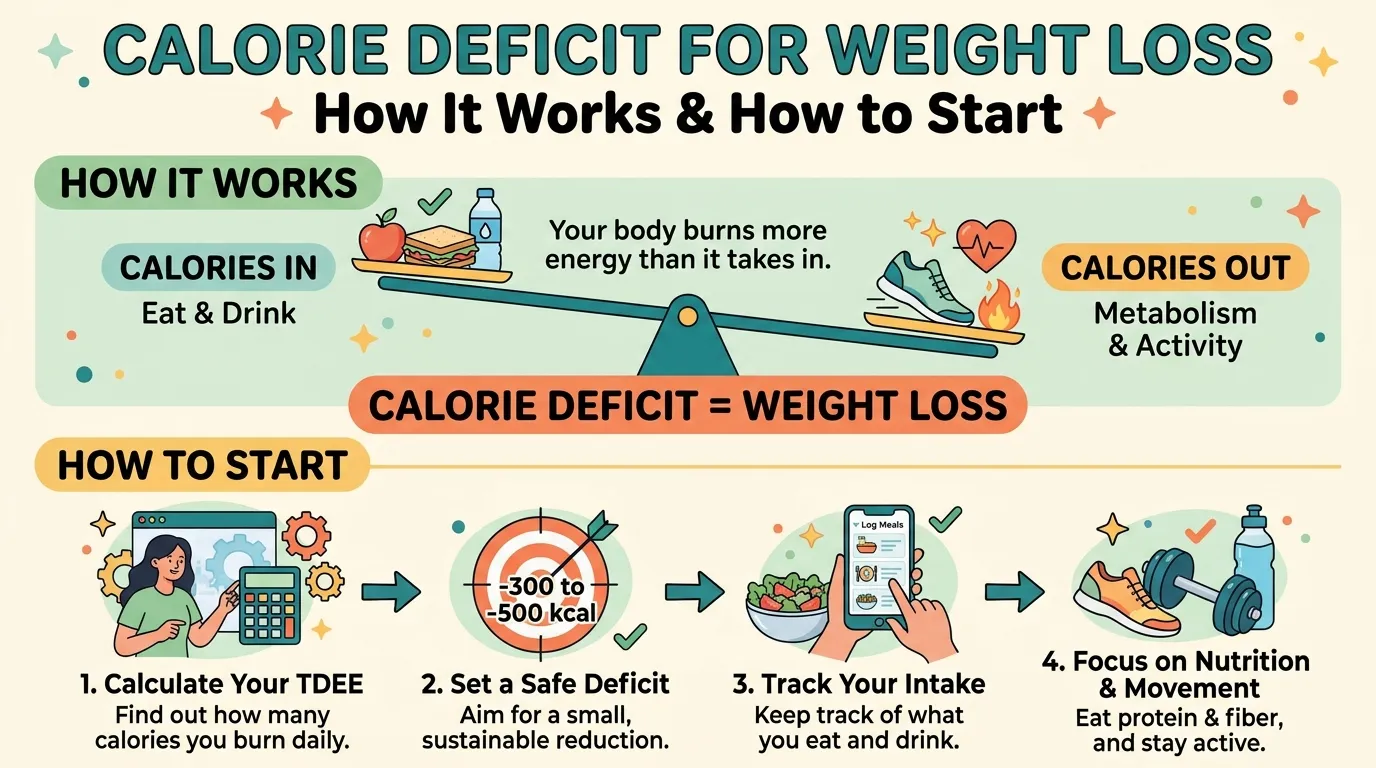
Losing weight can feel confusing when you come across different diets, workout plans and promises of quick results. Some people recommend cutting carbohydrates, while others suggest eating more protein or exercising every day. Although these approaches can affect weight management, one important concept connects many successful weight loss strategies. That concept is the calorie deficit.
A calorie deficit occurs when your body uses more energy than you obtain from food and drinks over time. When this happens consistently, your body can draw on stored energy, including body fat. Understanding this principle can help you make informed food choices without relying on extreme diets or eliminating entire food groups.
However, creating a calorie deficit does not mean starving yourself, skipping every other meal, or exercising until you feel exhausted. Your body needs sufficient energy and nutrients to support everyday activities, recovery, concentration and overall health.
In this guide, you will learn what a calorie deficit means, how it works, how to estimate your calorie needs, which foods can help you feel satisfied and how to create a realistic routine that supports long-term weight management.
What Is a Calorie Deficit?
A calorie deficit means consuming fewer calories than your body uses over a period of time. Calories are units of energy that your body obtains from food and beverages. Your body uses this energy to maintain essential functions, move, digest food and complete daily activities.
For example, imagine that an adult’s estimated daily energy expenditure is 2,200 calories. If that person regularly consumes slightly less energy than they use, they may create a calorie deficit. Over time, this can contribute to weight loss.
The example is only an illustration. Actual energy needs differ according to body size, age, activity level, health conditions and other factors.
How Does a Calorie Deficit Work?
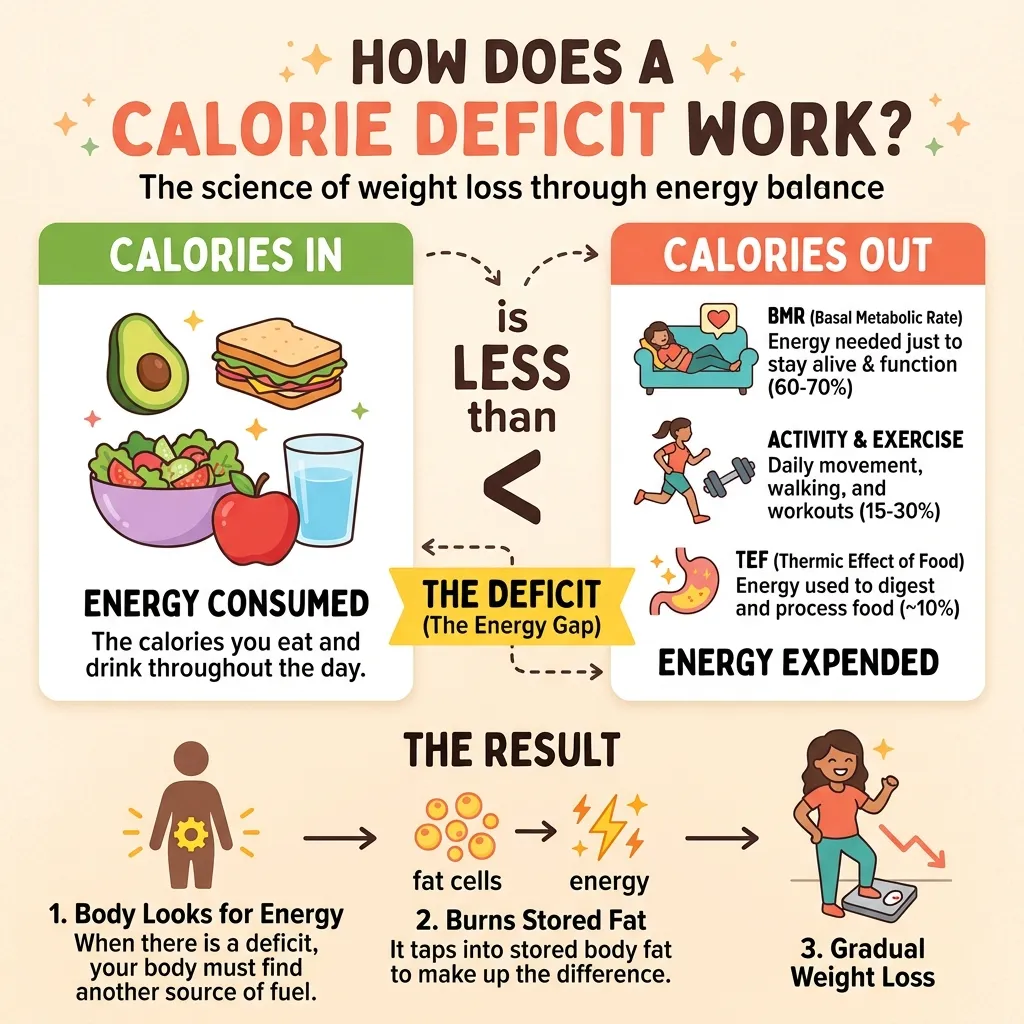
Your body needs energy even when you are resting. It uses calories to maintain body temperature, support the heart and lungs, regulate body functions and repair tissues.
You also use energy when walking, working, exercising, cleaning and completing other daily tasks. Digestion itself requires energy, although the amount varies according to the foods you eat.
When energy intake remains below energy expenditure, the body can use stored energy to meet the difference. This may result in a reduction in body weight over time.
However, weight loss is not perfectly predictable. Water balance, hormonal changes, changes in activity and metabolic adaptation can influence the number on the scale. The simple calorie deficit concept is useful, but it should not be treated as an exact formula for predicting every person’s results.
Read More: Weight Loss Exercises at Home for Beginners
Is a Calorie Deficit Necessary for Weight Loss?
A sustained energy deficit is generally necessary for losing body fat. Different diets may help create that deficit in different ways.
For example, a higher-protein diet may help some people feel fuller. A low-carbohydrate diet may reduce food choices and overall intake for certain individuals. A balanced diet rich in vegetables, fruit, whole grains and protein may also make it easier to manage portions.
No particular diet guarantees success. The most useful approach is one that supports adequate nutrition, fits your lifestyle and can be maintained without excessive hunger or distress.
How Many Calories Do You Need Each Day?
Your daily calorie needs depend on several factors, so there is no single number that is right for everyone.
An adult with a physically demanding job may use more energy than someone who spends most of the day sitting. A larger body generally requires more energy to maintain its functions than a smaller body, although individual differences matter.
The following factors influence your daily energy needs.
Age
Energy requirements can change as people get older. Growth and development affect the needs of children and teenagers, while changes in body composition and activity can influence energy expenditure in adulthood.
Growing teenagers should not use restrictive adult weight loss plans without appropriate professional guidance.
Body Size and Composition
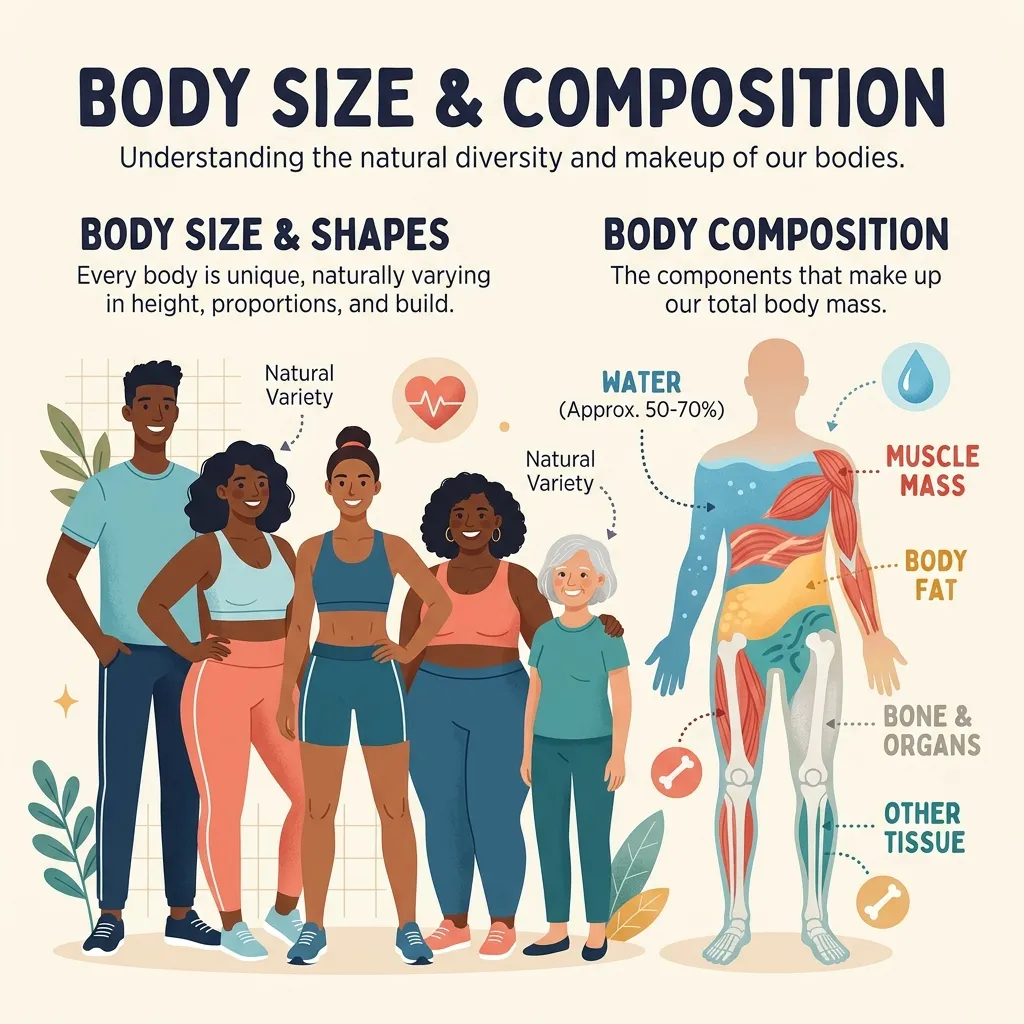
Height, body weight and body composition influence how much energy your body uses. People with more body mass often require more energy to maintain their bodies and perform the same activities.
This is one reason why calorie targets should be individualized rather than copied from someone else’s diet plan.
Physical Activity
Exercise contributes to daily energy expenditure, but it is not the only factor. Walking, standing, household tasks, commuting and other routine movements also use energy.
Someone who exercises regularly but spends the rest of the day sitting may have different energy needs from someone who remains active throughout the day.
Health and Other Individual Factors
Sleep, medications, health conditions, hormones and changes in body composition can influence weight management. Pregnancy, breastfeeding, recovery from illness and certain medical conditions also affect nutritional needs.
If you have a condition that affects your weight or metabolism, a qualified healthcare professional can help you determine an appropriate approach.
How to Create a Calorie Deficit Safely
The goal is not to reduce your food intake as much as possible. It is to develop eating and activity habits that support your health while creating a manageable difference between energy intake and expenditure.
Start by Understanding Your Current Eating Habits
Before making major changes, pay attention to your usual meals and snacks.
You might notice that you drink sweetened beverages throughout the day, eat large portions when distracted, or regularly choose snacks that do not keep you satisfied for long. Alternatively, your meals may already be balanced, but your activity level or other circumstances may have changed.
You do not need to judge your habits harshly. The purpose is to identify realistic opportunities for improvement.
For a few days, you can observe your usual meal patterns, hunger levels, beverages and activity. If tracking calories makes you anxious or encourages restrictive behavior, use a simpler method such as planning balanced meals and paying attention to hunger and fullness.
Make Small Changes to Portion Sizes
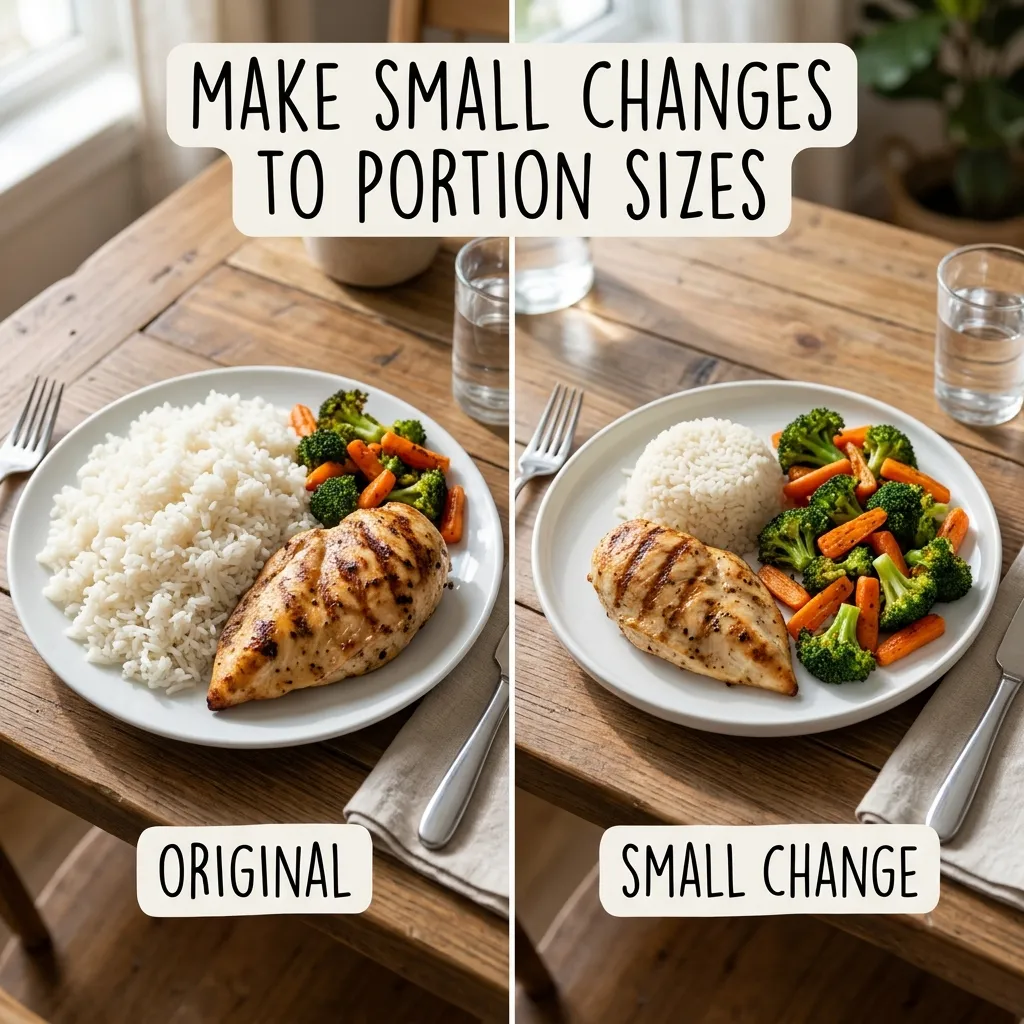
Portions can influence calorie intake, but reducing every meal dramatically is unnecessary.
Try serving food on a plate rather than eating directly from a packet. Eat slowly, pause when you feel comfortably satisfied and consider whether you are still hungry before taking another serving.
You can also adjust portions according to the type of food. For example, fill a substantial part of your plate with vegetables while including appropriate portions of protein and carbohydrate-rich foods.
Portion needs differ, so avoid treating a single serving size as suitable for everyone.
Choose Foods That Keep You Satisfied
Some foods provide protein, fiber, water, or a combination of these, which can help meals feel more satisfying.
Useful options include eggs, beans, lentils, plain yogurt, fish, chicken, vegetables, whole fruit, oats and whole grains.
You can also include foods you enjoy, including desserts and favorite snacks, in portions that fit your overall eating pattern. A sustainable routine does not require perfection at every meal.
Reduce Sugary Drinks When Appropriate
Sweetened tea, soft drinks, energy drinks, sweetened coffee and packaged juices can contribute calories without providing the same fullness as many solid foods.
If you drink these frequently, replacing some servings with water or unsweetened beverages may be a practical change.
You do not need to eliminate every drink you enjoy. Start with the changes that are easiest to maintain.
Include Regular Physical Activity
Physical activity supports health and contributes to energy expenditure. It can also help improve cardiovascular fitness, strength, mobility, mood and sleep.
Choose activities that suit your current ability and preferences. Walking, cycling, swimming, dancing, gardening and strength training are all possible options.
If you are new to exercise, begin with manageable sessions and gradually increase your activity. You do not need intense daily workouts to establish a useful routine.
Best Foods to Eat While in a Calorie Deficit
There is no special food that automatically causes fat loss. However, choosing a variety of nutritious foods can make it easier to meet your nutritional needs while managing energy intake.
Protein-Rich Foods
Protein supports muscle maintenance and tissue repair. It can also help you feel satisfied after meals.
Consider including:
- Eggs
- Chicken and turkey
- Fish and seafood
- Plain yogurt
- Milk or suitable fortified alternatives
- Lentils and beans
- Tofu
- Other protein-rich foods that suit your preferences
Your protein needs depend on your body size, age, activity level and health. If you have kidney disease or another condition that affects protein requirements, seek individualized advice.
Vegetables and Whole Fruits
Vegetables and whole fruits provide vitamins, minerals, fiber and water. Many varieties can add volume and variety to meals without contributing as much energy as some highly concentrated foods.
Examples include spinach, carrots, cabbage, cucumbers, tomatoes, broccoli, apples, oranges, guavas and berries.
Fresh, frozen and suitable canned produce can all contribute to a healthy diet. Frozen vegetables can be especially useful when fresh produce is expensive or difficult to store.
Whole fruit is generally more filling than juice because it retains its structure and fiber. You do not need to avoid fruit because it contains naturally occurring sugar.
Whole Grains and High-Fiber Carbohydrates
Carbohydrates provide energy and can be part of a healthy weight management plan.
Oats, whole-wheat bread, brown rice, barley and other whole grains provide varying amounts of fiber and nutrients. Beans, lentils and chickpeas also provide carbohydrates, protein and fiber.
Choose portions that fit your needs rather than removing carbohydrates automatically. The overall quality of your diet matters more than following a rigid rule that all carbohydrates are bad.
Healthy Fats
Fat is essential for normal body functions and helps the body absorb fat-soluble vitamins. It also contributes flavor and satisfaction to meals.
Useful sources include olive oil, nuts, seeds, avocados and oily fish. These foods can be nutritious, although oils and nuts are energy-dense, so portions may matter if you are trying to manage calorie intake.
You do not need to remove all fat from your diet to lose weight.
Foods and Drinks to Watch
You can include a wide variety of foods in a calorie deficit. Still, certain choices can make it easier to consume more energy than you intend, especially when portions are large or meals are eaten frequently.
Sugary Beverages
Soft drinks, sweetened iced tea, syrups and some specialty coffees can provide substantial energy. If these drinks are part of your daily routine, reducing their frequency or choosing smaller portions may help.
Water is a useful everyday choice, but other unsweetened beverages can also contribute to fluid intake.
Highly Processed Snack Foods
Chips, biscuits, confectionery, pastries and packaged snack foods can be easy to eat quickly. Some provide relatively little protein or fiber compared with their energy content.
These foods are not automatically forbidden. You can enjoy them in a balanced eating pattern while making sure that most of your meals provide the nutrients your body needs.
Large Portions of Energy-Dense Foods
Foods such as oils, butter, nuts, cheese, and creamy sauces can contribute a substantial amount of energy in small portions.
They also have a place in a healthy diet. The practical goal is to understand portions and use these foods in a way that supports both enjoyment and nutritional balance.
Frequent Takeaway Meals
Takeaway meals can vary widely in portion size, ingredients, sauces and preparation methods. Some provide vegetables and protein, while others are high in sodium or energy.
If you eat takeaway food regularly, consider choosing meals with a protein source, vegetables and a suitable carbohydrate portion. Sauces and drinks can be ordered separately when that makes portion choices easier.
A Simple One-Day Meal Plan
The following meal plan provides an example of balanced eating. It is not a personalized calorie prescription and the portions may need to be adjusted to suit your age, body size, activity, preferences and health.
| Meal | Example |
|---|---|
| Breakfast | Oatmeal with plain yogurt and sliced banana |
| Lunch | Chicken or chickpea bowl with rice and vegetables |
| Snack, if hungry | An apple with a small portion of nuts |
| Dinner | Fish, lentils, or tofu with potatoes and cooked vegetables |
| Drinks | Water, unsweetened tea, or other preferred unsweetened beverages |
You can adjust this plan according to your food preferences, budget and cultural eating habits. For example, a home-cooked meal with roti, lentils, vegetables and yogurt can fit into a balanced eating pattern.
The goal is to build meals that are satisfying and nutritionally varied, not to follow a specific menu perfectly.
How to Plan Meals on a Budget
Healthy eating does not require expensive products, supplements, or specialty diet foods.
Consider buying seasonal vegetables, using lentils and beans regularly, preparing meals at home and choosing eggs or other affordable protein sources. Frozen produce and larger packages of staple foods may also be economical when stored properly.
Cook extra portions when convenient and refrigerate or freeze leftovers safely. Planning several meals around similar ingredients can reduce waste and make shopping easier.
Can Exercise Help Create a Calorie Deficit?
Yes. Physical activity uses energy and can support weight management, but exercise is only one part of the picture.
Your body uses energy throughout the day, including when you are resting. Exercise adds to this expenditure, while everyday movement also contributes.
Walking
Walking is accessible to many people and can be adjusted to different fitness levels. You can start with short walks and increase duration as your comfort improves.
Walking to nearby destinations, taking movement breaks, or going for a walk after a meal are practical ways to add activity to your day.
Strength Training
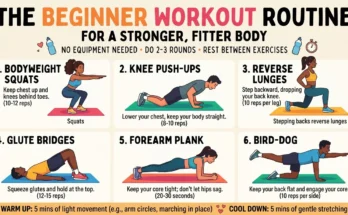
Strength training helps develop and maintain muscle. It may include bodyweight exercises, resistance bands, weights, or suitable gym equipment.
If you are trying to lose weight, maintaining muscle is important. Adequate nutrition and appropriate resistance exercise can help support muscle maintenance, although results depend on individual factors.
Beginners should focus on technique and gradual progression rather than lifting heavy weights immediately.
Cardio Exercise
Cycling, swimming, jogging, dancing and other aerobic activities can improve cardiovascular fitness and contribute to energy expenditure.
Choose activities that you enjoy and can perform safely. If you have a chronic health condition, significant joint pain, or have been inactive for a long time, ask a healthcare professional whether you need specific precautions.
Why Exercise Calories Are Difficult to Estimate
Fitness trackers and exercise machines often provide estimates of calories burned, but these figures are not perfectly accurate.
Your energy expenditure depends on factors such as body size, movement efficiency, intensity, duration and individual physiology. Avoid treating a device’s estimate as an exact amount that you must eat back or compensate for.
Exercise should support your health rather than become a punishment for eating.
How to Track Progress Without Becoming Obsessed
Tracking can help some people understand their habits, but it is not essential for everyone.
Use Consistent Measurements
If weighing yourself feels comfortable and appropriate, consistent measurements under similar conditions may help you identify longer-term trends. Body weight naturally changes from day to day because of hydration, digestion, hormonal fluctuations and other factors.
A single reading does not reveal how much body fat you have gained or lost.
Notice Non-Scale Changes
Progress can also involve improved stamina, better sleep, more consistent meals, increased strength, or feeling more comfortable during daily activities.
These changes matter even when the scale moves slowly.
Review Your Routine Periodically
If your approach feels excessively restrictive, leaves you constantly hungry, or interferes with everyday life, reassess it. Weight management should not require persistent exhaustion or fear of food.
If tracking calories triggers anxiety, guilt, binge eating, or restrictive behavior, consider stopping the tracking and seeking support from a qualified healthcare professional.
Common Calorie Deficit Mistakes to Avoid
Cutting Calories Too Aggressively
Eating far too little can cause fatigue, nutrient deficiencies, loss of muscle and difficulty maintaining healthy habits. It can also increase the likelihood of intense hunger and overeating later.
A smaller, more manageable change is often more sustainable than a drastic diet. Very low-calorie diets should only be followed when medically indicated and supervised by an appropriate professional.
Skipping Meals When You Are Hungry
Some people find that planned meals work well for them, while others prefer a different meal schedule. There is no universal requirement to skip breakfast or avoid eating after a particular time.
If skipping meals leaves you overly hungry, distracted, or likely to overeat later, a more regular eating pattern may be better.
Eliminating Entire Food Groups Without a Reason
Avoiding all carbohydrates, all fats, or all fruit is unnecessary for most people seeking general weight management.
Different foods provide different nutrients. A varied diet is usually easier to balance than one built around a long list of restrictions.
Expecting Linear Weight Loss
Weight changes are rarely perfectly steady. You may see a temporary increase even while maintaining your usual habits because of water retention, digestion, or other normal changes.
Look at longer-term patterns rather than reacting to every fluctuation.
Depending on Fat-Burning Supplements
Many supplements marketed for rapid weight loss have limited evidence of effectiveness and some can cause side effects or interact with medications.
Be cautious about products promising dramatic results without changes to eating or activity. A healthcare professional can help you evaluate whether a supplement is necessary or safe.
How Long Does It Take to See Results?
There is no exact timeline for everyone. Changes depend on starting body size, eating patterns, activity, sleep, health and how consistently the approach is followed.
Some people notice changes within a few weeks, while others need more time. Early changes may reflect water rather than fat and short-term weight fluctuations are normal.
Rather than setting an aggressive deadline, focus on building habits that you can continue. If you have concerns about your weight, nutritional status, or progress, a registered dietitian or qualified healthcare professional can provide individualized guidance.
Who Should Be Careful With a Calorie Deficit?
Weight loss is not appropriate or necessary for everyone. A calorie deficit may be unsuitable without professional guidance for:
- Children and teenagers who are still growing
- People who are pregnant or breastfeeding
- People who are underweight or experiencing malnutrition
- Anyone with a current or previous eating disorder
- People with medical conditions or medications that affect nutritional needs
Older adults and people recovering from illness may also need special attention to preserve muscle and avoid inadequate nutrition.
If you have diabetes or take medication that affects blood glucose, changes in eating habits may require monitoring or medication adjustments. Do not alter prescribed medication without medical advice.
Frequently Asked Questions
What is a calorie deficit in simple words?
A calorie deficit means your body uses more energy than you get from food and drinks over time. This can lead the body to use stored energy and may contribute to weight loss.
How do I calculate my calorie deficit?
First, estimate your daily energy needs using a reputable calculator or professional assessment. Then consider whether a modest reduction in energy intake is appropriate for you. Calculators provide estimates rather than exact measurements, so your health, activity, and individual needs should guide the approach.
Can I lose weight without counting calories?
Yes. You can focus on balanced meals, appropriate portions, nutritious snacks, regular physical activity, and fewer sugary drinks without recording every calorie. Some people find tracking helpful, while others find it stressful or unnecessary.
Can I eat carbohydrates while in a calorie deficit?
Yes. Carbohydrates can be part of a healthy weight management plan. Foods such as oats, fruit, potatoes, rice, beans and whole grains provide energy and nutrients. Portion sizes and overall dietary balance matter more than automatically eliminating carbohydrates.
Is a calorie deficit the same as starving yourself?
No. A calorie deficit does not require starvation or extreme restriction. It should allow you to obtain adequate energy and nutrients. Eating too little can harm your health and make weight management harder to sustain.
Do I need to exercise to create a calorie deficit?
Exercise is not the only way to create a calorie deficit, because food intake also influences energy balance. However, physical activity offers important benefits for cardiovascular health, strength, mobility and general well-being.
Why am I not losing weight even though I am trying?
Weight changes can be affected by water retention, measurement variation, changes in activity, medications, health conditions and differences between estimated and actual energy needs. If your weight or health concerns persist, seek individualized advice rather than making drastic cuts to your food intake.
Can I have snacks while in a calorie deficit?
Yes. Snacks can fit into a balanced eating pattern. Options such as fruit, yogurt, eggs, vegetables with a dip, or nuts can provide nutrients and help manage hunger. Choose snacks according to your preferences and needs.
Is a calorie deficit safe for everyone?
No. Children, teenagers, pregnant or breastfeeding people, underweight individuals and people with certain medical conditions or eating disorder histories may need to avoid intentional calorie restriction or follow a plan developed with a qualified professional.
Conclusion
A calorie deficit is an important concept in weight management because it describes what happens when your body uses more energy than it receives over time. However, understanding the principle is only the beginning. The way you create that deficit matters for your nutrition, energy and long-term health.
Focus on balanced meals, suitable portions, protein-rich foods, vegetables, whole fruit, fiber-rich carbohydrates and healthy fats. Include physical activity that you enjoy, sleep consistently and make changes gradually.
You do not need to starve yourself, eliminate entire food groups, or follow an extreme diet to build healthier habits. A practical approach that respects your body’s needs is more valuable than a short-term plan that leaves you exhausted or unhappy.
If you are unsure whether weight loss is appropriate for you, or you have a health condition that affects your nutritional needs, speak with a qualified healthcare professional before starting a restrictive plan.



One Comment on “Calorie Deficit for Weight Loss: How It Works and How to Start”