

Starting a new way of eating can feel confusing, especially when you are surrounded by different diet plans and conflicting advice. The keto diet is one approach that has attracted attention because it changes the balance of carbohydrates, fats and protein in your daily meals.
If you are researching the keto diet for beginners, you may be wondering what you can eat, which foods you need to avoid and whether this eating pattern is right for you. You might also want to know how to plan meals without making your routine complicated or expensive.
The ketogenic diet, commonly called keto, is a low-carbohydrate, high-fat eating pattern that encourages the body to use fat and ketones for energy. It can help some people lose weight in the short term, but it is not suitable for everyone and can be difficult to maintain over time.
This guide explains the basics of keto, foods to include and limit, simple meal ideas, possible benefits, common mistakes and safety considerations. The goal is to help you understand the approach and make informed decisions rather than follow restrictive rules without understanding them.
What Is the Keto Diet?
The keto diet is an eating pattern that sharply reduces carbohydrate intake while providing most of its energy from fat. Protein intake is usually moderate, although the exact amount depends on individual needs and the version of keto being followed.
When you eat carbohydrates, your body breaks much of them down into glucose, which is an important energy source. When carbohydrate intake becomes very low, the body gradually uses more fat and produces substances called ketones. This metabolic state is known as ketosis.
A common ketogenic approach limits carbohydrates to approximately 20 to 50 grams per day, although individual requirements and diet plans vary. This is a restrictive target, so it is important to understand food portions and nutritional labels before attempting it.
How Does Ketosis Work?
Your body normally uses a mixture of carbohydrates and fats for energy. When carbohydrate availability drops substantially, the liver converts some fatty acids into ketones. These ketones can provide energy for the brain and other tissues.
Nutritional ketosis is different from diabetic ketoacidosis. Nutritional ketosis is a metabolic state associated with very low carbohydrate intake. Diabetic ketoacidosis is a dangerous medical emergency involving excessive ketone accumulation and changes in blood acidity, particularly in people with diabetes.
Following a keto diet does not guarantee weight loss. Your overall energy intake, food quality, activity level, sleep, health conditions and ability to maintain the diet all influence your results.
Is Keto the Same as a Low-Carb Diet?
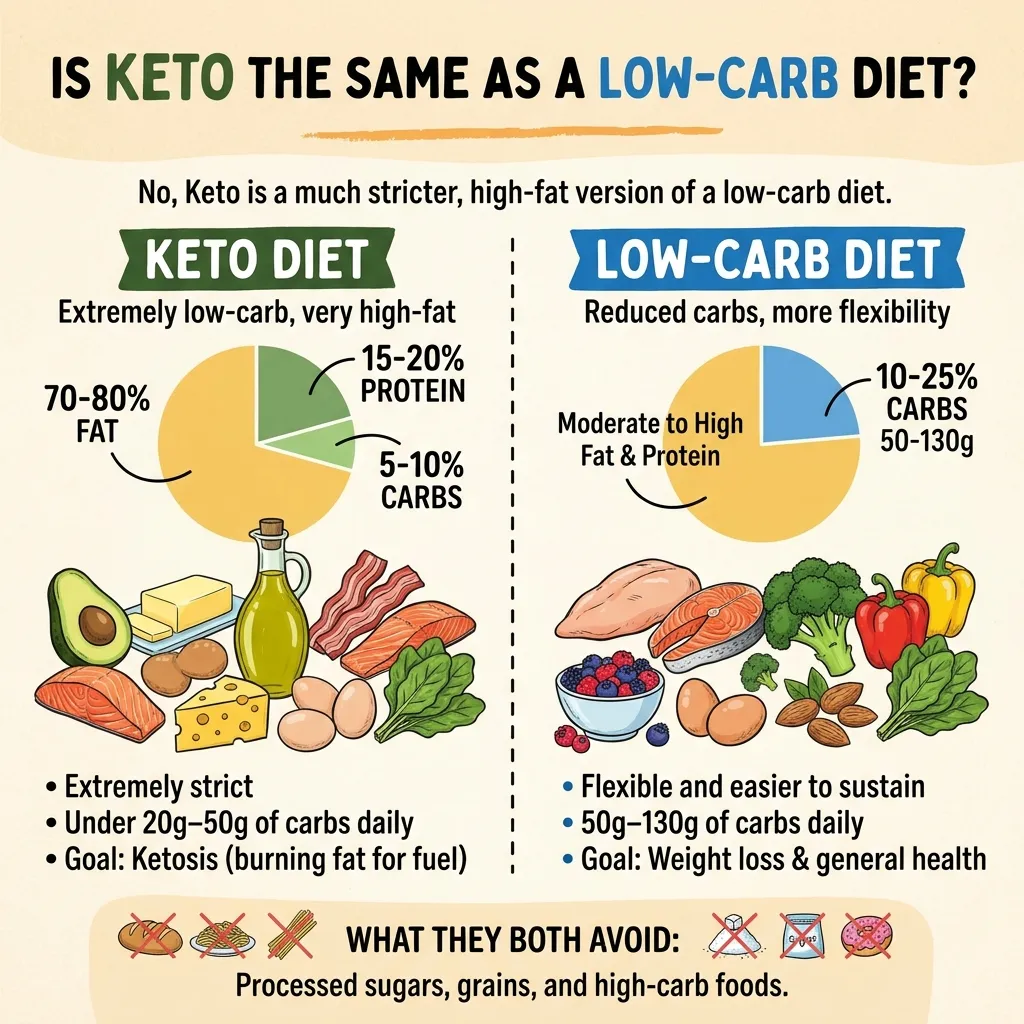
Not exactly. A low-carb diet simply reduces carbohydrate intake compared with a person’s usual eating pattern. It may still include fruit, legumes, whole grains and other carbohydrate-containing foods in moderate portions.
A ketogenic diet is generally more restrictive because it aims to keep carbohydrate intake low enough to promote ketosis. This means that some nutritious foods commonly included in balanced diets may need to be limited on a strict keto plan.
For many people, a less restrictive eating pattern may be easier to follow and provide more flexibility.
Read More: Calorie Deficit for Weight Loss: How It Works and How to Start
Potential Benefits of the Keto Diet
The keto diet may offer benefits for certain people, but its effects vary. Research findings should not be interpreted as a guarantee that every person will experience the same outcome.
It May Support Short-Term Weight Loss
Some people lose weight when they begin keto. Early changes on the scale can partly reflect the loss of water stored alongside carbohydrates in the body. Further weight loss depends on several factors, including whether the diet creates a sustainable calorie deficit.
Keto may also make some people feel fuller because meals contain protein and fat. However, a high-fat diet can still provide more calories than the body needs, so portion sizes remain relevant.
It May Help Some People Manage Appetite
Protein and fat can contribute to fullness and some people report feeling less hungry when following a ketogenic diet. This may make it easier for them to reduce overall food intake.
Appetite responses differ from person to person. Others may find the restrictions frustrating or experience cravings that make the diet hard to maintain.
It Has Established Medical Uses in Specific Situations
A ketogenic diet has a long-standing medical role in managing certain cases of drug-resistant epilepsy, particularly under specialist supervision. In this setting, the diet is carefully planned and monitored.
This medical use does not mean that strict keto is necessary or appropriate for everyone who wants to lose weight or improve general health.
It May Improve Some Blood Sugar Measures in Some People

Reducing carbohydrate intake can lower the amount of glucose entering the bloodstream after meals. Some people with type 2 diabetes may see improvements in blood glucose control while following a low-carbohydrate eating pattern.
However, results vary and diabetes medications may need adjustment by a healthcare professional. A keto diet can increase the risk of dangerously low blood sugar with certain medicines and may be particularly risky for people taking SGLT2 inhibitors because of the possibility of ketoacidosis.
Do not stop or change prescribed medication on your own.
Foods to Eat on the Keto Diet
A successful keto meal plan is not simply about eating butter, cheese and meat. Food quality matters, too. Whenever possible, choose a variety of vegetables, unsaturated fats, appropriate protein sources and minimally processed foods.
Eggs, Fish and Other Protein Sources
Eggs, fish, poultry and unprocessed meat can provide protein as part of a ketogenic diet. Fish such as salmon, sardines and mackerel also supply omega-3 fatty acids.
Good options include:
- Eggs prepared with vegetables
- Chicken and turkey
- Salmon, sardines, tuna and other fish
- Beef or lamb in appropriate portions
- Tofu and other lower-carbohydrate plant-based protein foods
Protein requirements vary according to body size, activity, age and health. Eating excessive amounts of protein is not necessary for keto and people with kidney disease or other medical conditions may need individualized advice.
Low-Carbohydrate Vegetables
Non-starchy vegetables provide fiber, vitamins, minerals and variety. They can help make keto meals more nutritious.
Consider including:
- Spinach
- Broccoli
- Cauliflower
- Cabbage
- Zucchini
- Cucumber
- Lettuce
- Mushrooms
- Bell peppers in measured portions
- Asparagus
You do not need to remove vegetables from your diet to follow keto. In fact, relying too heavily on meat and cheese while neglecting vegetables can make it harder to obtain enough fiber and certain micronutrients.
Healthy Fats and Oils
Fat supplies much of the energy in a ketogenic diet, but different fats have different effects on health. Emphasize unsaturated fats rather than making saturated fat the main source.
Options include:
- Olive oil
- Avocado oil
- Avocados
- Walnuts and almonds
- Chia seeds and flaxseeds
- Pumpkin seeds
- Fatty fish
Butter, cream, coconut oil and high-fat cheese are also low in carbohydrates, but they can contribute substantial saturated fat. Using them frequently in large amounts may be unsuitable for people who need to manage their LDL cholesterol or cardiovascular risk.
Nuts and Seeds
Many nuts and seeds provide healthy fats, fiber and minerals. However, their carbohydrate content varies, so portion sizes matter when following a strict carbohydrate limit.
Almonds, walnuts, pecans, chia seeds and flaxseeds are common options. Choose plain or lightly seasoned varieties when possible and check labels for added sugar.
Dairy Products
Some dairy foods fit into a keto eating pattern, including plain cheese, unsweetened Greek yogurt in measured portions and certain lower-carbohydrate dairy products.
Milk contains lactose, a naturally occurring sugar, so it can contribute more carbohydrates than some people expect. Sweetened yogurt and flavored milk may contain additional sugar.
Check the nutrition label rather than assuming every dairy product is keto-friendly.
Foods to Limit or Avoid on Keto
The foods you limit depend on your carbohydrate target. Strict keto generally requires reducing several foods that are nutritious in other eating patterns.
Bread, Rice and Pasta
Bread, rice, pasta, noodles and many breakfast cereals contain substantial amounts of carbohydrates. Large servings can quickly use up the daily carbohydrate allowance on a strict keto plan.
Whole grains offer valuable nutrients and fiber, so avoiding them is not necessary for general health. If strict keto feels too restrictive, a less restrictive diet that includes whole grains may be a more practical option.
Sugary Foods and Drinks
Sugar-sweetened drinks, sweets, cakes, biscuits and many desserts are generally difficult to fit into a strict keto diet.
Watch for added sugars in packaged sauces, flavored yogurt, bottled drinks, breakfast products and ready-made snacks. Products marketed as healthy can still contain significant amounts of sugar.
Starchy Vegetables
Potatoes, sweet potatoes, corn and some other starchy vegetables contain more carbohydrates than leafy greens or cruciferous vegetables.
A strict keto plan usually limits these foods. However, they provide useful nutrients and can fit comfortably into many balanced eating patterns that are not ketogenic.
Most Fruits in Large Portions
Fruit contains natural sugars and carbohydrates, so some varieties can be difficult to fit into a strict keto target in large portions.
Small portions of berries are commonly included in keto plans. Avocados are also a fruit and are relatively low in net carbohydrates. Other fruits can be included in a less restrictive low-carb approach according to personal needs.
Whole fruit provides fiber, vitamins, minerals and beneficial plant compounds. Avoiding all fruit is not necessary for healthy eating.
Sweetened and Highly Processed Snacks
Chips, candy bars, sweetened granola, cookies and many packaged snack foods can contain large amounts of carbohydrates. They may also provide little fiber or nutritional value relative to their energy content.
If you need snacks, consider boiled eggs, cucumber with a suitable dip, a small portion of nuts, or cheese with vegetables. These are examples rather than requirements and portion sizes still matter.
Understanding Net Carbohydrates
You may see the term net carbohydrates on keto websites and packaged products. It usually refers to total carbohydrates minus fiber and, in some regions, certain sugar alcohols.
The calculation can be more complicated than it appears because sugar alcohols differ in how they are absorbed and affect blood glucose. Food labeling rules also vary between countries.
For a simple approach, begin by checking the total carbohydrate value on the nutrition label. If you decide to track net carbohydrates, use a consistent method and remember that labels and serving sizes can affect the calculation.
Do not assume that a product labeled keto-friendly is automatically nutritious. Some products contain large amounts of saturated fat, sweeteners, or highly processed ingredients.
How to Start the Keto Diet
Starting with a clear plan is easier than suddenly removing most carbohydrate-containing foods without deciding what will replace them.
Set a Realistic Goal
First, decide why you are considering keto. Your goal might be weight management, learning about low-carbohydrate eating, or following a medically recommended diet.
Avoid expecting dramatic results within a few days. Changes in body weight can include shifts in water and progress varies according to individual circumstances.
If your main goal is weight loss, consider whether a less restrictive, balanced eating pattern could help you achieve it with less effort.
Plan Meals Before Shopping
Write down a few meals you enjoy and identify the ingredients you need. Include protein, low-carbohydrate vegetables and sources of unsaturated fat.
Planning reduces the temptation to rely on processed keto snacks or repeatedly eat the same foods. It can also help you control grocery spending.
Reduce Carbohydrates Gradually if Needed
Some people prefer to reduce carbohydrates over several days or weeks rather than changing everything at once. A gradual transition can make meal planning and adjustment easier.
There is no universal requirement to begin keto immediately or to reach ketosis as quickly as possible. If you have a medical reason to follow a ketogenic diet, ask your healthcare team how to start safely.
Pay Attention to Fluids and Electrolytes
Early in a ketogenic diet, the body may lose additional water and sodium as carbohydrate intake falls. This can contribute to headaches, fatigue, dizziness and other symptoms.
Drink fluids regularly and eat a varied diet. Do not automatically take salt tablets or high-dose electrolyte supplements, particularly if you have high blood pressure, kidney disease, or heart disease, or take medicines that affect fluid balance. Ask a qualified professional what is appropriate for you.
Track How You Feel
Keep a simple record of meals, energy levels, digestion, hunger and any symptoms. If you have a condition that requires blood glucose or other monitoring, follow the plan provided by your healthcare professional.
Tracking can help you identify whether the diet is practical and whether you are eating enough. Stop and seek medical advice if you develop significant or persistent symptoms.
A Simple Keto Meal Plan for Beginners
The following example illustrates how a day of meals might look. It is not a personalized prescription and portions should be adjusted for your energy needs, health and preferences.
| Meal | Example |
|---|---|
| Breakfast | Scrambled eggs with spinach and mushrooms, cooked with a little olive oil |
| Lunch | Grilled chicken with leafy greens, cucumber, avocado, and olive oil dressing |
| Snack, if needed | A small portion of almonds or a boiled egg |
| Dinner | Baked salmon with broccoli and cauliflower |
| Drinks | Water, unsweetened tea, or coffee without added sugar |
This example includes protein, vegetables and sources of fat. It is important to vary your meals over the week so that you are not relying on just a few foods.
Vegetarians can explore options such as tofu, eggs, cheese in appropriate portions, nuts, seeds and low-carbohydrate vegetables. Vegan keto diets require more careful planning to meet protein, vitamin, mineral, and essential fat needs.
Keto Meal Prep Tips
Meal preparation does not need to take an entire day. A few simple steps can make the week easier.
- Cook several portions of chicken, fish, tofu, or another protein source.
- Wash and prepare vegetables so they are ready to use.
- Keep boiled eggs available for quick meals.
- Portion nuts and seeds instead of eating directly from a large packet.
- Prepare salad ingredients and a simple olive oil dressing.
- Freeze suitable leftovers promptly and reheat them safely.
Meal preparation should create convenience, not pressure. If you miss a planned meal or eat something outside your target, return to your usual routine rather than trying to compensate through extreme restriction.
Common Keto Diet Mistakes Beginners Should Avoid
A ketogenic diet can become unnecessarily difficult when people focus only on carbohydrate restriction and overlook overall nutrition.
Eating Too Much Saturated Fat
Keto does not mean that every high-fat food is equally beneficial. A diet dominated by butter, fatty processed meats and large amounts of cheese can provide excessive saturated fat.
Whenever possible, use olive oil, nuts, seeds, avocados and fish as regular fat sources. If you have elevated cholesterol or a history of cardiovascular disease, discuss the diet with your healthcare professional and consider whether a less restrictive eating pattern would be better.
Ignoring Fiber
Constipation can occur when people sharply reduce carbohydrates and stop eating whole grains, fruit, legumes and other fiber-rich foods.
Include low-carbohydrate vegetables, nuts, seeds and other suitable fiber sources. Drink adequate fluids and increase fiber gradually according to your tolerance.
If constipation persists or is accompanied by severe abdominal pain, vomiting, or other concerning symptoms, seek medical advice.
Eating Too Few Calories
Some beginners try to combine strict carbohydrate restriction with very small meals. This can cause fatigue, excessive hunger, difficulty concentrating and inadequate nutrient intake.
Your body still needs sufficient energy, protein, essential fats, vitamins and minerals. A restrictive diet should not leave you feeling constantly weak or deprived.
Depending on Processed Keto Products
Keto cookies, bars, shakes and packaged snacks may be convenient, but they are not essential. Some contain substantial amounts of saturated fat, sweeteners, or ingredients that cause digestive discomfort.
Build most meals around ordinary foods and use specialty products only when they suit your needs and budget.
Expecting Instant Results
The number on the scale can change quickly during the first week because the body uses stored carbohydrate and releases associated water. This does not mean all the early weight change is body fat.
Long-term progress is better assessed through consistent habits and appropriate measures over time. Avoid judging a diet only by its first few days.
Is the Keto Diet Safe for Everyone?
No. The ketogenic diet is restrictive and it can create health risks for some people.
Before starting keto, speak with a qualified healthcare professional if you have diabetes, kidney disease, liver disease, pancreatic disease, gallbladder problems, a history of eating disorders, or a condition that affects your ability to process fats. People taking blood pressure medicines or diabetes medications may need particular monitoring.
Keto is generally not appropriate to undertake without specialist guidance during pregnancy or breastfeeding. Children and teenagers also need appropriate nutritional support for growth and development, so restrictive diets should not be started without medical guidance.
People taking SGLT2 inhibitor medicines for diabetes or certain other conditions need special caution because very low carbohydrate intake can increase the risk of ketoacidosis, sometimes even when blood glucose is not extremely high.
Seek urgent medical care if you experience symptoms that could indicate a serious problem, such as persistent vomiting, severe abdominal pain, difficulty breathing, confusion, or marked weakness, particularly if you have diabetes.
The diet may also cause temporary symptoms during the initial adjustment period, sometimes called the keto flu. These may include headaches, tiredness, dizziness and digestive changes. The term is informal and these symptoms should not automatically be assumed to be harmless. Severe or persistent symptoms need medical evaluation.
How Long Should You Follow Keto?
There is no single duration that is right for everyone. Some people follow a ketogenic diet under medical supervision for a specific health purpose. Others try it for weight management and later move to a less restrictive eating pattern.
Before deciding how long to continue, consider whether you can obtain adequate nutrition, maintain your energy, afford the food and enjoy the meals. Your cholesterol levels, blood glucose, medications, and other health measures may also matter, depending on your circumstances.
If you decide to stop strict keto, you can reintroduce carbohydrate-containing foods gradually or transition to a balanced eating pattern. Suitable options may include fruit, beans, lentils, oats and whole grains, depending on your health needs and preferences.
You do not have to remain in ketosis to maintain healthy eating habits or manage your weight. Consistency, food quality, and a sustainable routine are more useful long-term goals than following a strict diet simply because it is popular.
Keto Diet vs. a Balanced Diet
Both approaches can include vegetables, protein, and healthy fats, but they differ in how much they restrict carbohydrate-containing foods.
| Feature | Ketogenic diet | Balanced eating pattern |
|---|---|---|
| Carbohydrates | Very limited | Flexible and adjusted to individual needs |
| Whole grains | Usually restricted | Commonly included |
| Fruit | Limited portions on strict plans | A variety of fruits can be included |
| Protein | Moderate amounts, depending on the plan | Adjusted to individual needs |
| Fat sources | High fat intake, ideally emphasizing unsaturated fats | Emphasis on unsaturated fats and overall balance |
| Flexibility | Can be restrictive | Often easier to adapt to different preferences |
| Weight management | May help some people lose weight | Can also support weight management |
Neither approach guarantees better results for every person. The best eating pattern is one that supports your health, provides adequate nutrition, fits your lifestyle and can be maintained without unnecessary distress.
Frequently Asked Questions
What is the keto diet for beginners?
The keto diet for beginners is an introduction to a low-carbohydrate, high-fat eating pattern designed to encourage nutritional ketosis. It generally emphasizes eggs, fish, meat, low-carbohydrate vegetables, nuts, seeds and unsaturated fats while limiting bread, rice, pasta, sugar and many starchy foods.
How many carbohydrates can you eat on keto?
Many strict keto plans use a target of approximately 20 to 50 grams of carbohydrates per day. The appropriate amount varies and some people may need a different approach. Check food labels and discuss restrictive carbohydrate targets with a healthcare professional if you have a medical condition.
Can you eat fruit on the keto diet?
Yes, some fruits can fit into a keto plan in measured portions. Berries and avocados are common choices because they can be easier to fit into a lower-carbohydrate target. Fruit provides valuable nutrients, so whether you need to restrict it depends on your specific eating plan.
Can beginners eat rice or bread on keto?
Rice and bread generally contain too many carbohydrates to fit easily into a strict keto diet in typical serving sizes. If you want to eat these foods regularly, a less restrictive low-carbohydrate or balanced diet may be a better fit.
Does the keto diet help with weight loss?
It can help some people lose weight, especially if it reduces their overall energy intake. Early weight loss may partly reflect water changes. Long-term results depend on multiple factors, including eating habits, activity, health and how sustainable the diet is.
Can you drink coffee on keto?
Unsweetened coffee can generally fit into a keto eating pattern. Sugar, sweetened syrups and some flavored creamers add carbohydrates. If you add milk or cream, check the portion and nutritional information.
What can you eat when you feel hungry between meals?
Depending on your needs, options may include a boiled egg, cucumber with a suitable dip, a small portion of nuts, or cheese with vegetables. Snacks are not compulsory and you should make sure your main meals provide enough energy and nutrients.
Is keto better than a low-carb diet?
Not necessarily. Keto is a more restrictive form of low-carbohydrate eating. Some people prefer its structure, while others find a less restrictive approach easier to maintain. The most appropriate choice depends on your health, goals, food preferences and ability to sustain the diet.
Can vegetarians follow keto?
Yes, some vegetarians can follow a ketogenic diet using eggs, suitable dairy products, tofu, nuts, seeds and low-carbohydrate vegetables. However, meeting protein and micronutrient needs can require careful planning. Vegan keto is even more demanding nutritionally and may benefit from professional guidance.
Conclusion
The keto diet for beginners can seem complicated at first, but understanding its basic principles makes it easier to evaluate. The approach emphasizes very low carbohydrate intake, higher fat intake and moderate protein, with the goal of encouraging the body to produce ketones for energy.
If you decide to explore keto, prioritize vegetables, adequate protein, unsaturated fats and a varied selection of nutritious foods. Plan meals ahead, check food labels and pay attention to how your body responds.
Most importantly, remember that keto is only one option. You do not need to follow a highly restrictive diet to eat well or work toward a healthy weight. A balanced eating pattern that fits your needs and lifestyle may be just as useful, and for many people it is easier to maintain.
If you have a medical condition, take prescription medication, or are considering keto for a specific health reason, consult a qualified healthcare professional before making substantial dietary changes.



One Comment on “Keto Diet for Beginners: Foods to Eat, Avoid and Try”