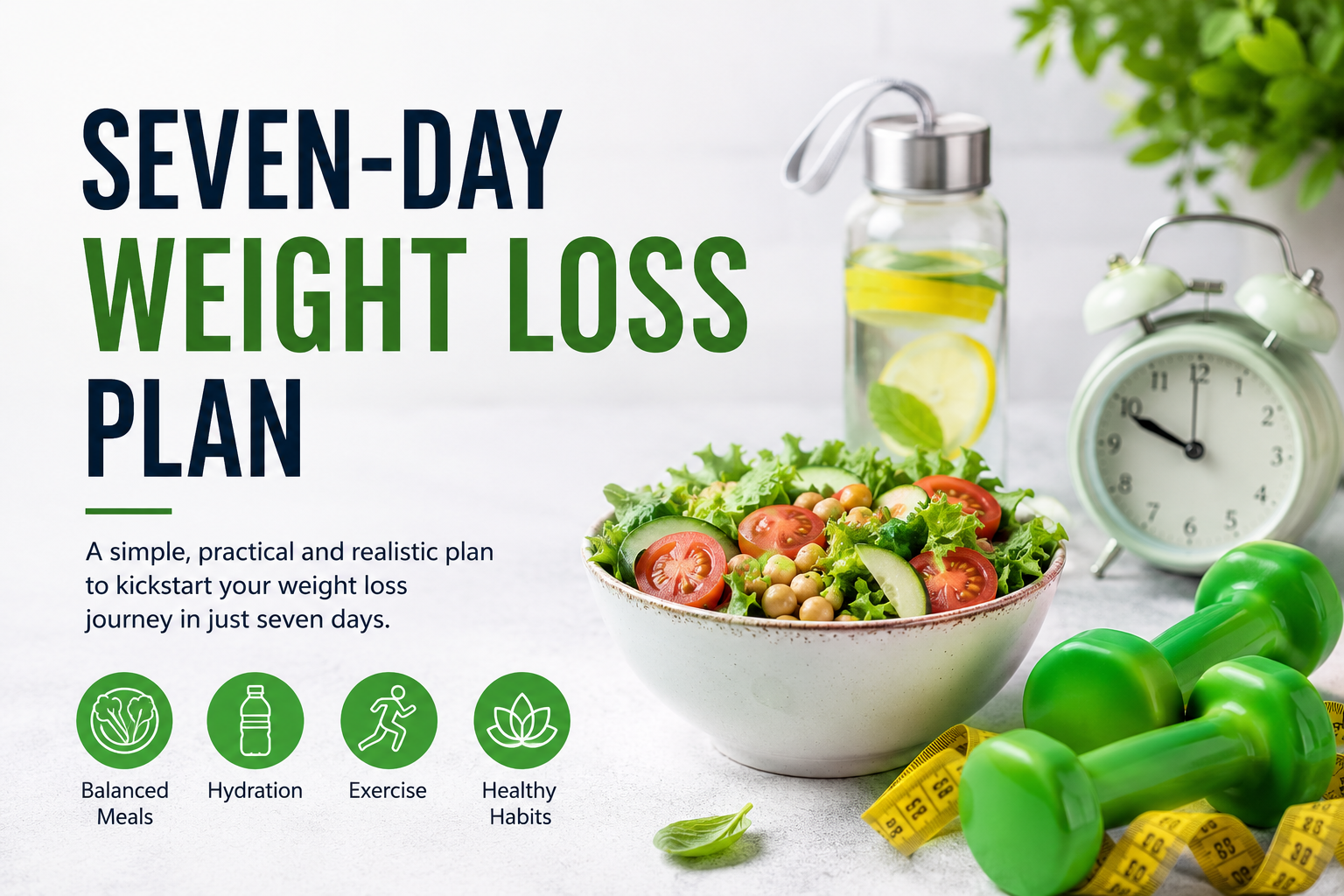
Starting a weight loss journey can feel challenging, especially when you do not know where to begin. Many people try complicated diets and difficult workout routines but give up after a few days because they are hard to follow. From my own experience, the best way to achieve weight loss is to start with simple steps and build healthy habits slowly.
A seven day weight loss plan can be a great starting point for beginners. It helps you organize your meals, workouts, and daily routine without making you feel overwhelmed. This plan is not about starving yourself or doing extreme exercises. It is about creating a healthy lifestyle that supports your body and helps you move toward your goals.
In this article, I am sharing a simple seven day weight loss plan that focuses on balanced eating, physical activity, and positive lifestyle changes.
Understanding Weight Loss Before Starting
Before following any weight loss plan, it is important to understand how weight loss works. Your body needs energy to perform daily activities. When you consume more calories than your body uses, extra energy is stored as fat. When you create a healthy calorie balance through proper food choices and exercise, your body starts using stored fat for energy.
I believe weight loss should not be a punishment. It should be a journey where you take care of your body. Small changes in your daily habits can create long term results.
Day One: Start With Clean Eating and Light Activity
The first day is about preparing your body for a healthier routine. Avoid processed foods, sugary drinks, and unnecessary snacks.
Start your morning with a glass of water. For breakfast, choose foods like eggs, oats, fruits, or yogurt. These foods provide energy and keep you full for a longer time.
For lunch, include vegetables, lean protein, and healthy carbohydrates. A simple meal with chicken, fish, beans, or lentils with vegetables can be a good choice.
Dinner should be lighter than lunch. You can choose soup, salad, grilled protein, or vegetables.
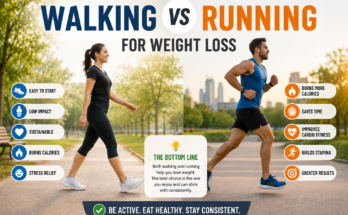
For exercise, start with a thirty minute walk. Walking is simple but effective and helps your body become active.
Day Two: Add More Movement
On the second day, focus on increasing physical activity. You do not need a gym to burn calories. Simple home exercises can make a difference.
Start your day with stretching exercises. This helps improve flexibility and prepares your body for movement.
Try exercises like squats, jumping jacks, and light cardio. Beginners can perform each exercise for a few minutes and take breaks when needed.
Continue eating balanced meals. Include more vegetables and drink enough water throughout the day.
One important thing I learned is that consistency matters more than intensity. Doing simple exercises regularly is better than doing a difficult workout once and stopping.
Day Three: Focus on Protein and Strength
Protein plays an important role in weight loss because it helps maintain muscles and keeps you satisfied.
On the third day, include protein rich foods in your meals. Eggs, chicken, fish, beans, lentils, and nuts are good options.
For breakfast, you can have an omelet with vegetables. Lunch can include grilled chicken or lentils with salad. Dinner can be a light protein based meal.
For exercise, add strength training movements. Bodyweight exercises like squats, push ups, and planks help improve muscle strength.
Building muscles can support your metabolism and help your body burn more calories.
Day Four: Improve Your Routine
The fourth day is about improving your daily habits. Many people focus only on food and exercise but ignore other important factors.
Sleep is very important for weight loss. Poor sleep can increase hunger and reduce energy levels. Try to get seven to eight hours of quality sleep.
Continue your workouts with walking, stretching, and strength exercises.
Pay attention to your eating habits. Eat slowly and enjoy your food instead of eating quickly. This helps your body recognize when you are full.
Day Five: Increase Workout Intensity
By the fifth day, your body starts adjusting to the new routine. You can slightly increase your workout level.
A simple workout can include:
Thirty minutes of walking
Fifteen squats
Ten push ups
Thirty seconds of plank
Twenty jumping jacks
Remember that every person has a different fitness level. Listen to your body and avoid pushing yourself too hard.
For meals, continue choosing natural and healthy foods. Avoid excessive sugar and fried foods.
Day Six: Stay Motivated and Active
The sixth day focuses on maintaining motivation. Many people lose interest because they expect immediate results. Weight loss takes time, and progress happens through regular effort.
Try a fun activity like dancing, cycling, swimming, or playing a sport. Exercise becomes easier when you enjoy it.
Prepare healthy meals in advance if possible. Planning your food helps you avoid unhealthy choices when you are hungry.
Keep drinking water because hydration supports digestion and overall health.
Day Seven: Review Your Progress
The final day of the plan is about checking your progress and preparing for the future.
Think about how you feel after following this routine. You may notice improved energy, better mood, and increased confidence.
Do not only focus on the number on the weighing scale. Weight loss is also about becoming healthier and stronger.
Continue the habits that worked best for you. A seven day plan is only the beginning. Real transformation comes from maintaining healthy habits over time.
Foods That Support Weight Loss
Choosing the right foods makes weight loss easier. Instead of following strict diets, focus on balanced nutrition.
Include fruits and vegetables because they provide important vitamins and minerals.
Choose whole grains like oats, brown rice, and whole wheat products.
Add healthy fats from sources like nuts, seeds, and olive oil.
Include enough protein to support muscles and control hunger.
Avoid completely removing your favorite foods. A balanced approach is easier to maintain.
Importance of Drinking Water
Water is often ignored during weight loss, but it plays an important role. Drinking enough water supports digestion, improves energy, and helps control unnecessary hunger.
Sometimes people confuse thirst with hunger and eat extra calories. Drinking water regularly can help prevent this problem.
Start your day with water and keep yourself hydrated throughout the day.
Common Mistakes During Weight Loss
Many beginners make mistakes that slow their progress.
One common mistake is skipping meals. This can make you feel extremely hungry later and lead to overeating.
Another mistake is expecting fast results. Healthy weight loss requires patience.
Some people exercise too much in the beginning and become tired or injured. It is better to increase activity gradually.
Avoid comparing your progress with others. Everyone’s body responds differently.
My Final Thoughts
A seven day weight loss plan is a simple way to begin building healthier habits. You do not need expensive equipment, complicated diets, or extreme workouts to start improving your health.
From my perspective, the most important part of weight loss is consistency. Small daily actions such as walking, eating balanced meals, drinking enough water, and staying active can create meaningful changes.
Remember that weight loss is not only about looking different. It is about feeling better, having more energy, and creating a healthier lifestyle.
Start with small steps, stay patient, and believe in your progress. A healthier version of yourself begins with the choices you make today.