
Bananas are one of the most popular fruits because they are naturally sweet, convenient, affordable and easy to enjoy. Whether you eat one for breakfast, add it to oatmeal, or blend it into a smoothie, bananas can be a simple way to include fruit in your daily meals. But have you ever wondered how much energy one banana actually provides?
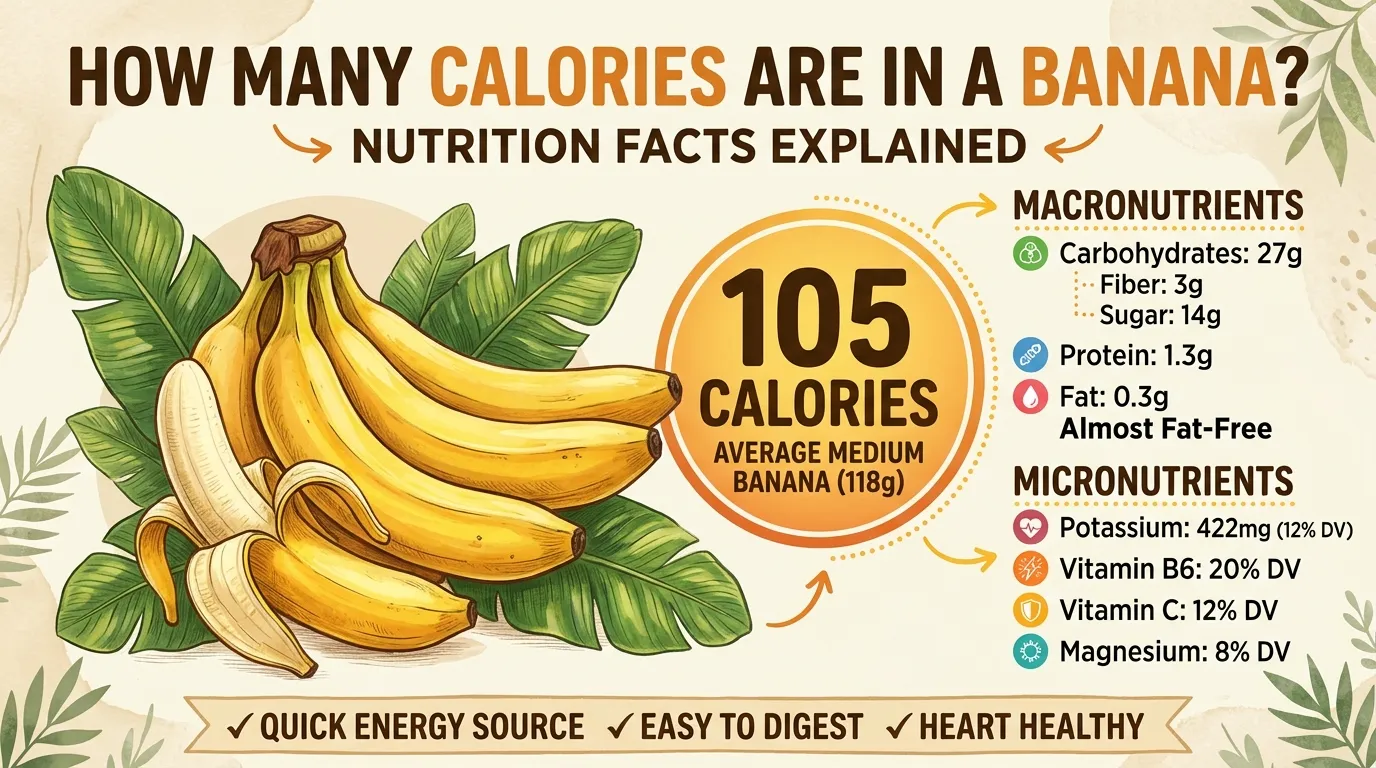
Understanding Banana Calories can help you learn more about this fruit and the nutrients it offers. A banana’s calorie content depends mainly on its size, with a medium banana providing approximately 105 calories. Along with energy, bananas contain carbohydrates, natural sugars, fiber, potassium and vitamin B6.
In this guide, you’ll discover how many calories are in small, medium and large bananas, explore their complete nutrition facts and learn about their potential health benefits. You’ll also find easy serving ideas, tips for choosing ripe bananas and answers to common nutrition questions.
How Many Calories Are in a Banana?
The number of calories in a banana depends on its size and edible weight. A small banana contains fewer calories than a large one, but both can provide useful nutrients.
According to USDA reference data, 100 grams of raw banana contains approximately 89 calories. A medium banana with about 118 grams of edible fruit provides around 105 calories.
Calories in a Banana by Size
Here is an approximate calorie breakdown for different banana sizes:
| Banana size | Edible weight | Calories |
|---|---|---|
| Extra small | 81 g | 72 |
| Small | 101 g | 90 |
| Medium | 118 g | 105 |
| Large | 136 g | 121 |
| Extra large | 152 g | 135 |
These figures refer to the edible banana without the peel. Actual values may vary slightly depending on the variety and size of the fruit.
Calories Per 100 Grams
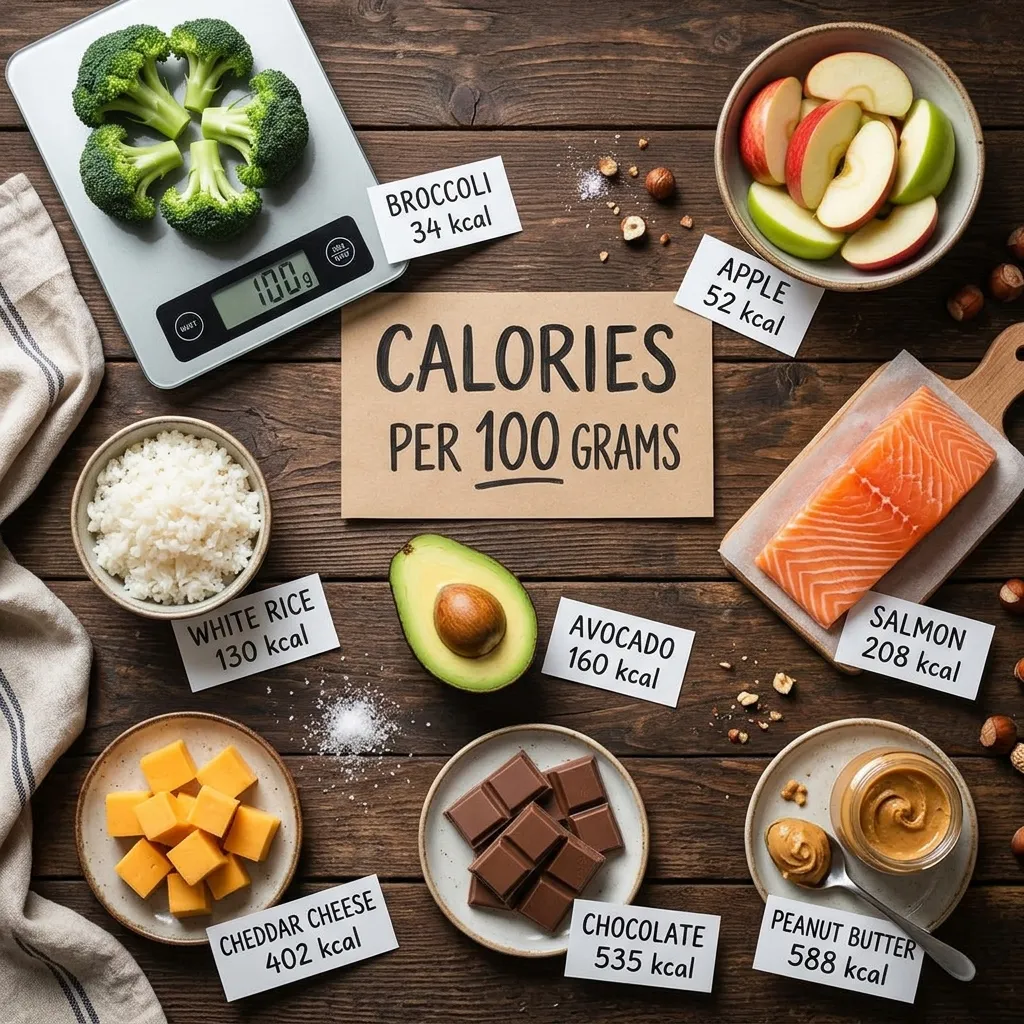
If you want to compare bananas with other fruits, looking at the calories per 100 grams can be helpful.
A 100-gram portion of raw banana contains approximately:
- Calories: 89 kcal
- Carbohydrates: 22.8 grams
- Natural sugars: 12.2 grams
- Dietary fiber: 2.6 grams
- Protein: 1.1 grams
- Fat: 0.3 grams
Most of the energy in a banana comes from carbohydrates. It also contains water and fiber, making it a convenient fruit to include in everyday meals.
Calories in Sliced and Mashed Bananas
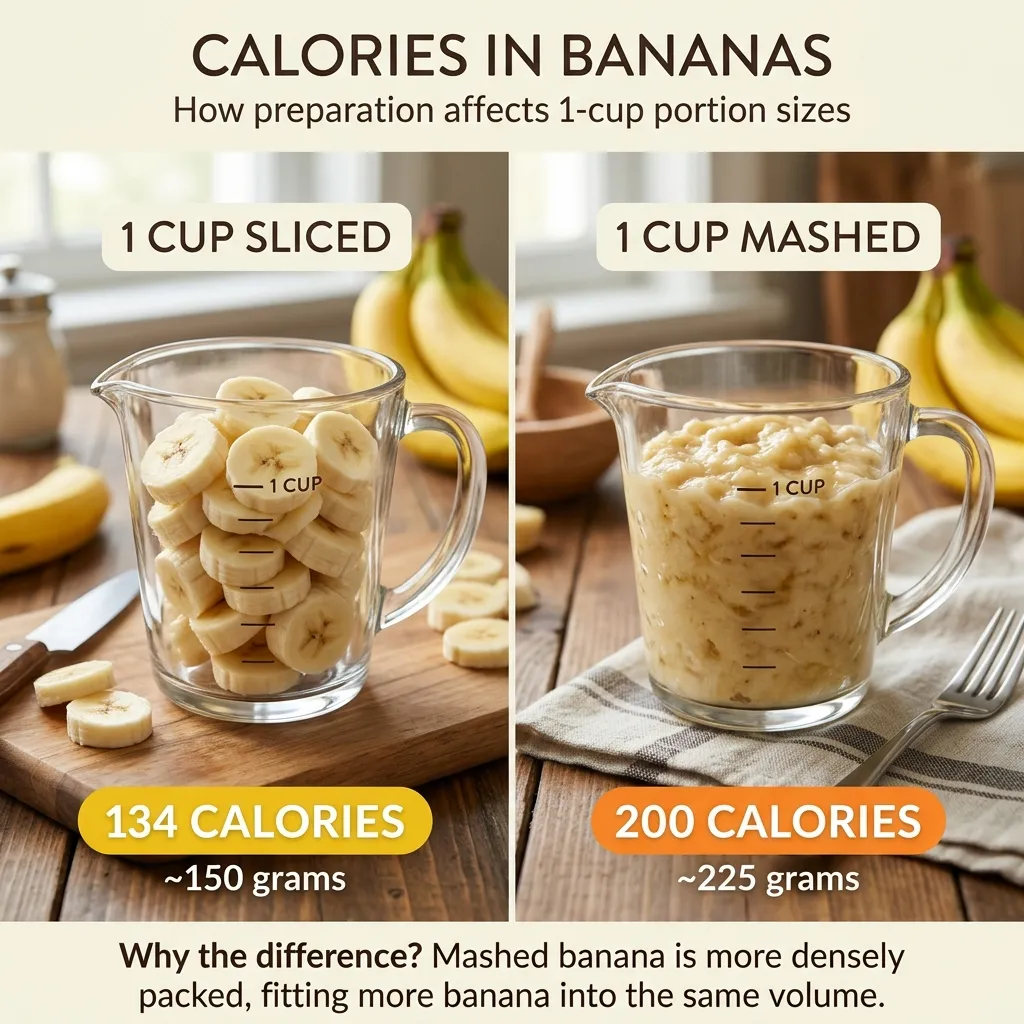
Bananas are often measured by cups when used in recipes. The calorie amount depends on how much fruit fits into the measuring cup.
| Serving | Approximate weight | Calories |
|---|---|---|
| ½ cup sliced | 75 g | 67 |
| 1 cup sliced | 150 g | 134 |
| ½ cup mashed | 112.5 g | 100 |
| 1 cup mashed | 225 g | 200 |
These are estimates based on standard reference weights. Weighing the peeled fruit gives a more consistent measurement.
Read More: How Many Calories Are in an Egg? A Complete Nutrition Guide
Banana Nutrition Facts
Bananas provide more than carbohydrates and natural sweetness. They contain several vitamins and minerals that support normal body functions.
Complete Nutrition Breakdown
Here is an approximate nutrition breakdown for 100 grams of raw banana:
| Nutrient | Amount |
|---|---|
| Calories | 89 kcal |
| Total carbohydrates | 22.8 g |
| Natural sugars | 12.2 g |
| Dietary fiber | 2.6 g |
| Protein | 1.1 g |
| Total fat | 0.3 g |
| Potassium | 358 mg |
| Magnesium | 27 mg |
| Vitamin C | 8.7 mg |
| Vitamin B6 | 0.37 mg |
| Folate | 20 mcg |
A medium banana provides approximately 105 calories, 27 grams of carbohydrates, 3.1 grams of fiber and 422 milligrams of potassium.
These values are estimates for raw banana flesh. The nutrition content can vary depending on the variety, size and preparation method.
Carbohydrates and Natural Sugars
Carbohydrates are the main source of energy in bananas. They include natural sugars, starch and dietary fiber.
The balance of these carbohydrates changes as a banana ripens. Less-ripe bananas generally contain more resistant starch, while ripening converts some of that starch into simpler sugars.
Bananas are naturally sweet, but they do not need added sugar to taste enjoyable. You can eat them on their own or use them to add natural sweetness to oatmeal, yogurt and homemade smoothies.
Dietary Fiber
Bananas provide dietary fiber, which supports normal digestion and helps maintain bowel regularity.
A medium banana contains approximately 3.1 grams of fiber. Including bananas alongside other fiber-rich foods, such as oats, beans, vegetables and whole grains, can help you get a variety of dietary fiber throughout the day.
Less-ripe bananas also contain more resistant starch, a type of carbohydrate that resists digestion in the small intestine and can be fermented by gut bacteria.
Potassium
Potassium is an essential mineral that supports normal muscle contraction, nerve signaling and fluid balance.
Bananas are a familiar source of potassium, with a medium banana providing approximately 422 milligrams.
Other potassium-rich foods include potatoes, beans, leafy greens, yogurt and some fruits. Eating a variety of these foods helps support a balanced diet.
Vitamin B6
Bananas contain vitamin B6, which helps the body process protein and supports normal brain and nervous system function.
This vitamin also plays a role in the production of certain neurotransmitters and the formation of hemoglobin.
Including bananas as part of a varied diet can contribute to your overall vitamin B6 intake.
Vitamin C and Other Nutrients
Bananas also provide smaller amounts of vitamin C, magnesium, folate and other nutrients.
Vitamin C supports normal immune function and helps the body produce collagen. Magnesium contributes to normal muscle and nerve function, while folate supports cell growth and development.
Although bananas are not the richest source of every vitamin or mineral, they contribute useful nutrients to everyday meals.
Health Benefits of Eating Bananas
Bananas are easy to include in a balanced eating pattern. Their combination of carbohydrates, fiber, potassium and other nutrients makes them a convenient option for snacks and meals.
Provides Convenient Energy
Bananas contain carbohydrates that your body can use for energy.
This makes them a practical snack before or after everyday physical activity. They are easy to carry, require no preparation and can be eaten when you need a quick source of food energy.
For a more substantial snack, pair a banana with yogurt, nuts, or peanut butter.
Supports Digestive Health
The fiber in bananas contributes to normal digestive function.
Less-ripe bananas contain resistant starch, which can act as a prebiotic carbohydrate by providing food for beneficial gut bacteria.
Ripe bananas contain less resistant starch but still provide dietary fiber. Including different fiber-rich foods in your diet is a useful way to support digestive health.
Contributes to Normal Muscle Function
Bananas contain potassium, an electrolyte involved in normal muscle contraction and nerve function.
Your body needs potassium from food to maintain normal fluid balance and support many essential processes.
However, eating a banana is not a treatment for muscle cramps. Cramps can have several causes and potassium intake is only one part of overall health.
Supports Heart Health
Potassium plays a role in maintaining normal blood pressure by helping balance the effects of sodium.
Bananas can contribute to potassium intake, but heart health depends on your overall eating pattern and lifestyle.
A varied diet containing fruits, vegetables, whole grains, beans and other nutritious foods can support cardiovascular health.
Makes Healthy Snacking Convenient
Bananas are naturally portionable and easy to carry. You do not need to wash, peel, or prepare them in advance beyond removing the peel when you’re ready to eat.
They can also be combined with protein-rich foods to make a more satisfying snack.
Does Banana Ripeness Change Its Calories?
The ripeness of a banana changes its texture, taste and carbohydrate composition. However, it does not usually cause a dramatic difference in the total energy of the same amount of fruit.
As bananas ripen, some of their starch breaks down into simpler sugars. This is why ripe bananas taste sweeter and feel softer.
Green Bananas
Green bananas are less ripe and usually contain more resistant starch.
They have a firmer texture and less sweetness than yellow bananas. Their resistant starch can contribute to dietary fiber-like effects in the digestive system.
Green bananas are often cooked in savory dishes rather than eaten raw.
Yellow Bananas
Yellow bananas are ripe, soft and naturally sweet.
As they ripen, some starch changes into sugars, making them easy to mash and add to oatmeal, smoothies, or breakfast recipes.
They are also convenient to eat as a simple snack.
Brown-Spotted Bananas
Bananas with brown spots are generally more ripe and often have a softer texture and sweeter flavor.
They work especially well in banana bread, pancakes, muffins and smoothies because they are easy to mash.
A banana with brown spots is not automatically spoiled. Check for mold, an unpleasant smell, or other signs of spoilage before eating it.
Best Ways to Eat Bananas
Bananas are versatile and can be used in many simple meals and snacks. Their natural sweetness makes them useful in both sweet and savory combinations.
Banana and Oatmeal
Adding banana to oatmeal creates a simple breakfast with carbohydrates and fiber.
Ingredients:
- ½ to 1 banana
- ½ cup rolled oats
- 1 cup milk or an unsweetened milk alternative
- A pinch of cinnamon
- A few chopped nuts, if desired
Preparation:
- Add the oats and milk to a saucepan.
- Cook over medium heat until the oats become soft.
- Slice or mash the banana.
- Stir some of the banana into the oatmeal.
- Add cinnamon and top with the remaining banana.
- Finish with chopped nuts if desired.
The milk and nuts add nutrients and contribute to the total energy of the meal.
Banana and Peanut Butter Toast
This combination provides carbohydrates from the banana and bread, along with protein and fat from peanut butter.
Ingredients:
- 1 slice whole-grain bread
- ½ banana
- 1 tablespoon peanut butter
- A little cinnamon
Preparation:
- Toast the bread.
- Spread peanut butter over the toast.
- Slice the banana and arrange it on top.
- Sprinkle with cinnamon.
- Serve immediately.
Choose peanut butter without unnecessary added sugar if you prefer a simpler ingredient list.
Banana Smoothie
A banana smoothie is an easy way to combine fruit with milk or yogurt.
Ingredients:
- 1 medium banana
- ¾ cup milk
- ¼ cup plain yogurt
- A few ice cubes
- Cinnamon, if desired
Preparation:
- Peel and slice the banana.
- Add it to a blender with milk and yogurt.
- Add ice cubes and cinnamon.
- Blend until smooth.
- Pour into a glass and enjoy.
The total calories depend on the type of milk, yogurt and any additional ingredients you use.
Frozen Banana Bites
Frozen banana bites make a refreshing snack, especially during warmer weather.
Ingredients:
- 1 banana
- 1 to 2 teaspoons peanut butter
- A little melted dark chocolate, optional
Preparation:
- Peel the banana and cut it into small rounds.
- Place the pieces on a lined tray.
- Add a small amount of peanut butter between two banana slices if desired.
- Drizzle with a little melted dark chocolate.
- Freeze until firm.
- Store in an airtight container in the freezer.
Remember that chocolate and peanut butter add energy and nutrients to the final snack.
How to Include Bananas in a Balanced Diet
There is no need to follow complicated food rules to enjoy bananas. They can fit into breakfast, snacks and meals depending on your preferences and nutritional needs.
Pair Bananas With Protein
Bananas contain only a small amount of protein. Pairing them with protein-rich foods can make a snack or breakfast more balanced.
Good combinations include:
- Banana with plain yogurt.
- Banana with peanut butter.
- Banana with milk.
- Banana with cottage cheese.
- Banana with a handful of nuts.
These combinations provide a wider range of nutrients than eating banana alone.
Combine Them With Fiber-Rich Foods
Bananas already contain fiber, but you can combine them with other fiber-rich ingredients.
Try adding banana to:
- Oatmeal.
- Whole-grain cereal.
- Chia pudding.
- Whole-wheat toast.
- Homemade fruit bowls.
Eating a variety of fruits, vegetables, legumes and whole grains helps you get different types of fiber.
Choose Whole Fruit When Convenient
Whole bananas provide fiber and require very little preparation.
Banana juice or sweetened banana drinks may not provide the same amount of fiber as whole fruit and can contain added ingredients.
When possible, enjoy bananas in their whole form or blend them into a smoothie without adding unnecessary sweeteners.
Enjoy Variety
Bananas are nutritious, but they do not need to be the only fruit you eat.
Apples, oranges, berries, mangoes, melons and other fruits provide different combinations of nutrients.
Including a variety of fruits throughout the week helps make your eating pattern more diverse and enjoyable.
Common Mistakes to Avoid When Eating Bananas
Bananas are a nutritious food, but some common misunderstandings can make it difficult to understand their place in a balanced diet.
Thinking Bananas Contain Too Much Sugar
Bananas contain naturally occurring sugars, but they also provide fiber, water and several important nutrients.
The natural sugars in whole fruit are not the same as added sugars in sweets and sugary drinks.
For most people, whole bananas can be part of a varied eating pattern.
Assuming Bananas Are High in Calories
A medium banana contains approximately 105 calories. This is a moderate amount of energy for a fruit serving.
Its calorie content is not a reason to avoid it. What matters is how different foods fit into your overall eating pattern and nutritional needs.
Forgetting About Added Ingredients
Bananas are often used in smoothies, desserts and baked goods.
Ingredients such as honey, chocolate, peanut butter, cream and sweetened yogurt can change the total energy and nutritional content of a recipe.
When preparing banana-based foods, consider all the ingredients rather than looking only at the banana.
Eating Only Bananas for a Meal
Although bananas provide useful nutrients, they are not a complete meal on their own.
They contain relatively little protein and fat. Pairing them with other foods, such as yogurt, eggs, nuts, oats, or whole grains, helps create more balanced meals.
Believing Ripe Bananas Have Dramatically More Calories
Ripening changes the form of carbohydrates in a banana, especially the balance between starch and simple sugars.
However, the total calorie content does not usually change dramatically simply because the banana becomes sweeter. The size and amount of edible fruit are more important when estimating its calories.
Tips for Choosing and Storing Bananas
Choosing bananas at the right stage of ripeness can help you enjoy their flavor and reduce food waste.
How to Choose Bananas
The best banana depends on when you plan to eat it.
- Choose green or slightly green bananas if you want them to ripen over several days.
- Choose yellow bananas for immediate eating.
- Select brown-spotted bananas for baking and mashing.
- Avoid fruit with leaking liquid, mold, or an unpleasant smell.
Bananas continue to ripen after being harvested, so you can choose different stages depending on your needs.
How to Store Bananas
Unripe bananas can be kept at room temperature until they reach your preferred ripeness.
Once ripe, you can place them in the refrigerator to slow further ripening. The peel may darken, but the fruit inside can remain suitable to eat.
How to Freeze Bananas
Freezing is a convenient way to use bananas that have become very ripe.
- Peel the bananas.
- Slice them into rounds or break them into chunks.
- Arrange the pieces in a single layer on a tray.
- Freeze until firm.
- Transfer them to a sealed freezer-safe container or bag.
Frozen bananas work well in smoothies, homemade frozen desserts and baking recipes.
Frequently Asked Questions
How Many Calories Are in One Medium Banana?
One medium banana, weighing approximately 118 grams without the peel, contains around 105 calories. The exact amount depends on the fruit’s size and edible weight.
How Many Calories Are in 100 Grams of Banana?
One hundred grams of raw banana contains approximately 89 calories, along with 22.8 grams of carbohydrates, 2.6 grams of fiber and 1.1 grams of protein.
How Many Calories Are in a Small Banana?
A small banana with approximately 101 grams of edible fruit contains around 90 calories. Smaller bananas contain fewer calories than medium or large ones.
Are Bananas High in Sugar?
Bananas contain natural sugars, with a medium banana providing approximately 14.4 grams. They also contain fiber, vitamins and minerals. Whole bananas are different from foods and drinks with added sugar.
Are Bananas Good for Everyday Eating?
Yes. Bananas can be included in a balanced eating pattern. They provide carbohydrates, fiber, potassium and vitamin B6. Enjoy them alongside a variety of other fruits and nutritious foods.
Do Ripe Bananas Have More Calories Than Green Bananas?
Ripening changes the carbohydrate composition of bananas as starch breaks down into simpler sugars. However, the total calories in the same amount of banana generally remain similar.
Are Bananas a Good Snack Before Exercise?
Bananas provide carbohydrates that the body can use for energy, making them a convenient snack before physical activity. The best timing and amount depend on your appetite, activity and personal preferences.
Can I Eat Bananas at Night?
Yes. There is no general rule that says bananas must be avoided at night. You can enjoy one in the evening if it fits your appetite and eating routine.
Are Bananas a Good Source of Protein?
No. Bananas contain only a small amount of protein, approximately 1.1 grams per 100 grams. Pair them with yogurt, milk, nuts, peanut butter, or another protein-rich food if you want a more balanced snack.
Conclusion
Bananas are a convenient, naturally sweet fruit that provides carbohydrates, fiber, potassium, vitamin B6 and other useful nutrients. A medium banana contains approximately 105 calories, although the exact amount depends on its size and edible weight.
Understanding Banana Calories and nutrition facts can help you make informed choices without unnecessarily avoiding foods you enjoy. You can add bananas to oatmeal, smoothies, toast, yogurt, or simply enjoy one on its own.
The most important thing is to include a variety of nutritious foods in your daily eating pattern. Bananas can be a delicious part of that variety, offering both convenience and valuable nutrients in a simple package.




One Comment on “How Many Calories Are in a Banana? Nutrition Facts Explained”