
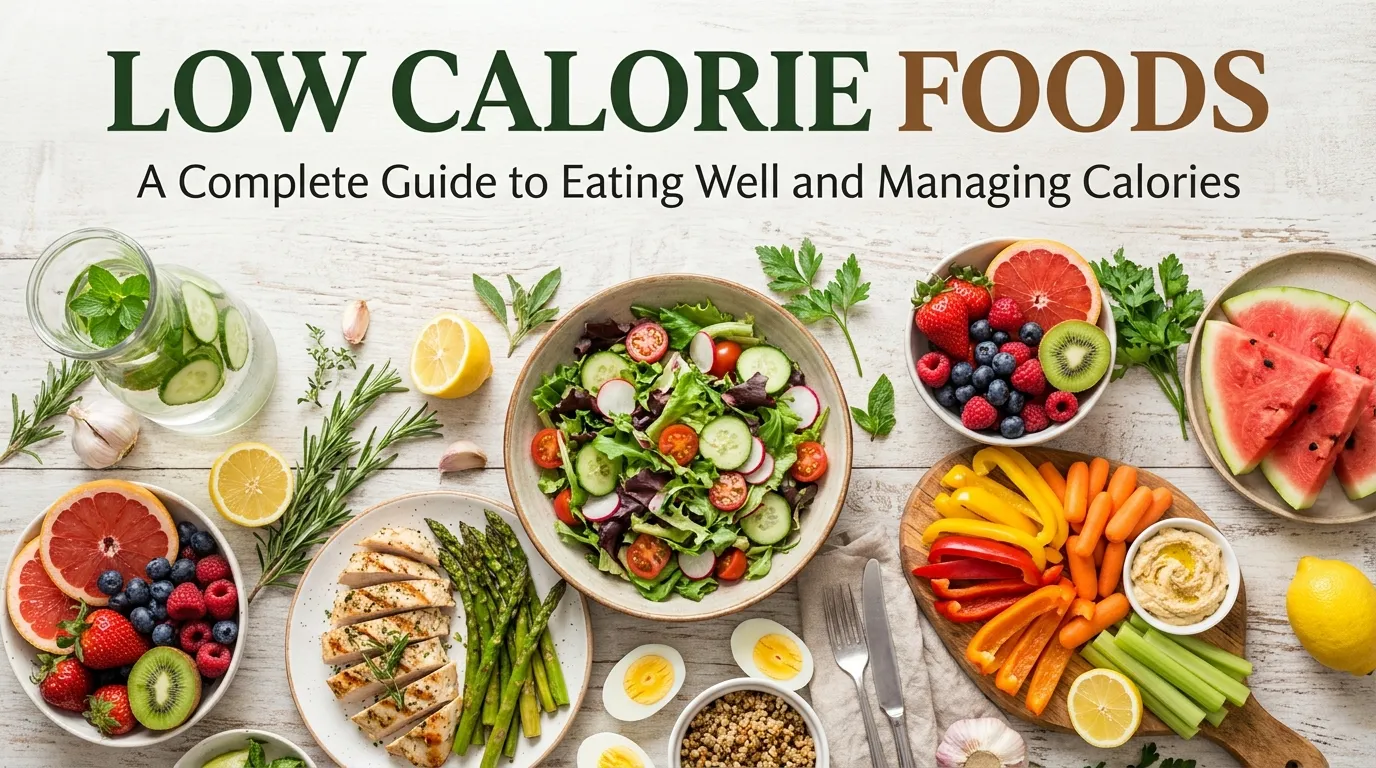
Low calorie foods can make it easier to build satisfying meals while managing your daily energy intake. These foods often provide a combination of water, fiber, protein, vitamins and minerals without contributing a large number of calories. They can be useful for people who want to manage their weight, improve their eating habits, or simply include more nutritious ingredients in their daily meals.
However, eating fewer calories should not mean feeling hungry all day or avoiding foods your body needs. Your body requires enough energy, protein, healthy fats, vitamins and minerals to function properly. A balanced diet should provide these nutrients while fitting your personal needs and lifestyle.
Many affordable everyday foods are naturally low in calories. Cucumbers, tomatoes, leafy greens, zucchini, mushrooms, strawberries, oranges and several other fruits and vegetables can add volume and variety to meals. Lean protein sources, such as eggs, fish, skinless chicken and certain dairy products, can also support fullness.
The best approach is to combine low calorie foods with other nutrient-rich ingredients rather than relying on a small selection of foods. This guide explains which options to choose, how to prepare them and how to incorporate them into practical meals.
What Are Low Calorie Foods?
Low calorie foods are foods that provide relatively little energy per serving. Their calorie content depends on the type of food, portion size and preparation method.
Many vegetables contain substantial amounts of water, which means they provide volume without many calories. Fruits also contain water and fiber, although their calorie content varies according to the type and serving size.
Some foods are low in calories because they contain very little fat, while others provide protein or fiber that helps make a meal satisfying.
For example, cucumber and lettuce contain very few calories per typical serving. Plain nonfat yogurt provides protein, while strawberries offer fiber and vitamin C. These foods serve different nutritional purposes, even though they can all fit into a calorie-conscious diet.
It is important to distinguish low calorie foods from foods that are simply marketed as healthy. Nuts, seeds, avocados, and olive oil provide valuable nutrients but are relatively energy-dense. They can still be included in a balanced diet, although portion sizes may matter when managing calorie intake.
A nutritious eating pattern should focus on both calorie awareness and nutritional quality.
Why Include Low Calorie Foods in Your Diet?
Low calorie foods can help you create meals that are satisfying, varied and rich in essential nutrients.
They Can Help With Weight Management

Weight management involves several factors, including energy intake, physical activity, sleep, medications and individual health circumstances.
For many people, replacing some energy-dense ingredients with lower calorie alternatives can help reduce overall calorie intake without making meals noticeably smaller.
For example, adding extra vegetables to a rice dish can increase its volume, while choosing grilled chicken instead of heavily fried chicken may reduce the amount of added fat.
The goal is not to eat as little as possible. Instead, aim to meet your nutritional needs while choosing portions and ingredients that support your personal goals.
Read More: Low Calorie Meals for Healthy Eating and Weight Management
They Add Volume to Meals
Foods rich in water and fiber can make meals appear larger and may help you feel more satisfied.
Vegetables such as cabbage, cucumber, tomatoes, cauliflower and lettuce are useful additions to lunch and dinner. They can be served in salads, soups, stir-fries and cooked dishes.
A generous serving of vegetables alongside protein and a source of carbohydrates can create a more balanced plate than a meal consisting mainly of a small portion of one food.
They Provide Important Nutrients
Many low calorie foods contain vitamins, minerals and other beneficial plant compounds.
Leafy greens provide folate and vitamin K. Citrus fruits contain vitamin C. Tomatoes provide vitamin C and lycopene, while mushrooms contribute several B vitamins and other nutrients.
Choosing a variety of foods helps you obtain a broader range of nutrients instead of relying on a single ingredient.
They Support Balanced Eating Habits

Low calorie foods can make everyday meal planning more flexible. You can combine them with whole grains, legumes, dairy products, eggs, fish and other protein sources to build meals that suit your preferences.
For example, a vegetable omelet with whole wheat roti, lentil soup with salad, or plain yogurt with strawberries can all fit into a balanced eating pattern.
You do not need to eliminate rice, bread, potatoes, or other carbohydrate-rich foods to eat healthfully.
Best Low Calorie Vegetables
Vegetables are among the most useful foods for increasing meal volume while adding relatively few calories. The figures below are approximate values per 100 grams of raw vegetables. Actual values vary by variety and preparation.
1. Cucumber
Approximately 15 calories per 100 g
Cucumbers contain a high proportion of water and have a refreshing taste. Add them to salads, sandwiches, yogurt-based sides, or snack plates. They are especially convenient in warm weather.
2. Tomatoes
Approximately 18 calories per 100 g
Tomatoes provide vitamin C, potassium and lycopene. Use them in salads, homemade sauces, soups, omelets and vegetable curries. Their natural flavor can also help reduce the need for heavy sauces.
3. Spinach
Approximately 23 calories per 100 g
Spinach supplies folate, vitamin K and other nutrients. Add it to lentil dishes, omelets, soups, or cooked vegetable meals. Cooking reduces its volume, making it easy to include a larger amount in a dish.
4. Broccoli
Approximately 34 calories per 100 g
Broccoli provides fiber, vitamin C and folate. Steam it, roast it, or add it to soups and stir-fries. A little seasoning, lemon juice and a measured amount of oil can improve flavor without requiring rich sauces.
5. Cauliflower
Approximately 25 calories per 100 g
Cauliflower is versatile and can be roasted, steamed, or added to curries. Finely chopped cauliflower can also be used as part of a mixed vegetable dish. It supplies vitamin C and fiber.
6. Mushrooms
Approximately 22 calories per 100 g for common raw white mushrooms
Mushrooms add a savory flavor to meals and contain several B vitamins. Use them in omelets, soups, pasta dishes, or vegetable stir-fries. Their texture can help make meals feel more substantial.
Other useful options include lettuce, cabbage, radishes, zucchini, bell peppers, celery and green beans. Instead of eating only one vegetable, rotate several options throughout the week.
Remember that the oil, butter, cheese and sauces added during cooking can significantly change the calorie content of the finished dish.
Best Low Calorie Fruits
Fruit provides natural sweetness along with fiber, water, vitamins and minerals. Whole fruit is generally more filling than fruit juice because it retains its fiber and requires more chewing.
Approximate calorie values per 100 grams are listed below.
| Fruit | Approximate calories | Nutritional benefit |
|---|---|---|
| Strawberries | 32 | Vitamin C and fiber |
| Watermelon | 30 | Water and lycopene |
| Grapefruit | 42 | Vitamin C |
| Papaya | 43 | Vitamin C and carotenoids |
| Orange | 47 | Vitamin C and folate |
| Apple | 52 | Fiber, including pectin |
| Pear | 57 | Fiber and water |
| Guava | 68 | Vitamin C and fiber |
These values are estimates, not exact measurements for every fruit. Ripeness, variety and serving size can affect the final amount.
Strawberries
Strawberries provide vitamin C and have a naturally sweet flavor. Eat them on their own, combine them with plain yogurt, or add them to oatmeal.
Fresh or frozen strawberries without added sugar can both be useful choices.
Watermelon
Watermelon contains a high proportion of water, making it a refreshing fruit. Serve it chilled as a snack or alongside a meal.
Although watermelon is relatively low in calories per 100 grams, large portions still contribute energy. It is best enjoyed according to hunger and preference rather than treated as a food that can be eaten without limit.
Oranges
Oranges provide vitamin C, water and some fiber. Whole oranges are convenient snacks and can be included in breakfast or lunch.
Choose whole fruit more often than juice when possible. Juice can be nutritious, but it is easier to consume quickly and may be less filling.
Apples and Pears
Apples and pears provide fiber and make portable snacks. They can be eaten whole or paired with yogurt for a more substantial snack.
If you prefer fruit with a little extra protein or fat, a small amount of nut butter can be added. Although this increases the calorie content, it may also make the snack more satisfying.
Low Calorie Protein Foods
Protein is important for maintaining muscles, repairing body tissues and supporting normal bodily functions. Protein-rich foods may also help with fullness, which can be useful when planning meals.
However, not all protein sources have the same calorie content. The preparation method and amount of added oil can make a significant difference.
Eggs
One large boiled egg typically provides about 70 to 80 calories and around 6 grams of protein. Eggs are convenient for breakfast, salads and quick meals. Boiling or poaching them requires little or no added cooking fat.
Skinless chicken breast
Cooked skinless chicken breast is a concentrated source of protein. A 100-gram serving often contains approximately 160 to 170 calories, depending on preparation. Grilling, baking, or poaching can help control added fat.
Fish
Many lean fish varieties provide substantial protein with relatively few calories. Fish also supplies nutrients such as vitamin B12 and some varieties provide omega-3 fatty acids. Choose baking, steaming, or grilling when you want to limit added oil.
Plain low-fat yogurt
Plain low-fat yogurt can provide protein and calcium. Its calorie content depends on the brand and fat level. Choose unsweetened varieties when you want to control added sugar and add fruit for natural sweetness.
Other protein options include egg whites, tofu and selected seafood. Beans and lentils are also valuable sources of protein, although their calorie and carbohydrate content per serving is generally higher than that of many non-starchy vegetables.
You do not need to choose the lowest calorie protein at every meal. Variety and adequate nutrition are more important than minimizing calories at all costs.
Low Calorie Foods for Breakfast
A nutritious breakfast can combine protein, fiber and carbohydrates without requiring an elaborate recipe. Whether you eat breakfast depends on your appetite and routine, but these options can be useful when you want a satisfying start to the day.
Oatmeal With Fruit
Prepare oats with water or milk, then add strawberries, apple pieces, or another fruit. Oats provide carbohydrates and soluble fiber, while the fruit contributes vitamins and additional fiber.
Milk increases the protein and calcium content. Keep in mind that nuts, honey, sugar and large portions of dried fruit can increase the calorie total.
Eggs With Vegetables
Prepare scrambled or boiled eggs with tomatoes, spinach, mushrooms, or peppers. Serve them with whole wheat roti or toast if you need additional energy.
A small amount of cooking oil is usually sufficient for a vegetable omelet. Adding vegetables increases the volume and variety of the meal.
Plain Yogurt With Fruit
Combine plain yogurt with fresh fruit for a quick breakfast or snack. Greek-style yogurt often provides more protein than regular yogurt, although the exact nutritional content varies.
This meal can be prepared in minutes and adjusted according to your appetite.
Low Calorie Lunch and Dinner Ideas
A useful meal combines protein, vegetables and a suitable carbohydrate source. Choosing lower calorie ingredients does not mean removing entire food groups or eating only salads.
Grilled Chicken With Vegetables
Serve grilled chicken with broccoli, carrots, peppers, or a mixed salad. Add a portion of rice, potatoes, or whole wheat bread to provide energy.
Use herbs, garlic, lemon, black pepper and other seasonings for flavor. A measured amount of oil can help prevent sticking and improve taste.
Lentil Soup With Salad
Lentils provide protein, carbohydrates, fiber, iron and folate. Prepare lentil soup with tomatoes, onions, carrots and spices, then serve it with a fresh salad.
Although lentils contain more calories per serving than watery vegetables, they provide valuable nutrients and can make a meal more filling.
Fish With Steamed Vegetables
Baked or steamed fish with vegetables is another practical option. Choose a suitable fish variety and season it with lemon, herbs and spices.
Include rice or potatoes when appropriate for your energy needs. A meal should provide enough food to satisfy hunger rather than simply achieve the lowest possible calorie count.
Vegetable Omelet With Whole Wheat Roti
Combine eggs with tomatoes, onions, spinach, or peppers. Serve with whole wheat roti and a side of cucumber or salad.
This meal uses familiar ingredients and can be prepared quickly. Adjust the portion according to your appetite and daily needs.
Vegetable and Chickpea Salad
Mix chickpeas with cucumber, tomatoes, onions, leafy greens, lemon juice and herbs. Chickpeas contribute protein and fiber, making the salad more substantial than one made from vegetables alone.
Because chickpeas contain more energy than most leafy vegetables, portion size matters if you are specifically monitoring calories. However, their nutritional benefits make them a useful part of many balanced diets.
Low Calorie Snacks for Between Meals
Snacks are optional, but they can be useful when you are hungry between meals. A good snack provides nourishment and fits your daily routine.
Consider these options:
- Cucumber and carrot sticks with a yogurt dip
- Fresh strawberries or orange segments
- A boiled egg with sliced tomatoes
- Plain yogurt with a small portion of fruit
- Air-popped popcorn with modest seasoning
- A cup of vegetable soup
- Roasted chickpeas in a moderate portion
- Apple slices with a small amount of nut butter
The best choice depends on how hungry you are. If you need something substantial, combine a fruit or vegetable with protein. For example, yogurt with fruit may be more satisfying than eating a few cucumber slices alone.
Popcorn can be relatively low in calories when air-popped, but butter, oil, caramel and other toppings increase its energy content.
How Cooking Methods Affect Calories
The ingredients you choose are important, but preparation methods also influence the final calorie content of a meal.
Boiling and Steaming
Boiling and steaming generally require little or no added fat. They work well for vegetables, potatoes, eggs and some protein sources.
Seasoning with herbs, spices, garlic, lemon, or vinegar can add flavor without requiring heavy sauces.
Grilling and Baking
Grilling and baking can be useful for chicken, fish, vegetables and potatoes. These methods allow food to develop flavor while limiting the amount of added oil.
However, grilled or baked foods are not automatically low in calories. Large amounts of oil, cheese, or sugary marinades can increase the total.
Stir-Frying
Stir-frying allows vegetables and protein to cook quickly. Measure the oil rather than pouring freely into the pan and use a suitable nonstick pan if helpful.
Include a variety of vegetables and pair the dish with an appropriate portion of rice or another carbohydrate source.
Deep-Frying
Deep-frying often increases calorie content because food absorbs oil. You can still enjoy fried foods occasionally, but choosing grilled, baked, or steamed alternatives more often may make calorie management easier.
The overall eating pattern matters more than any single preparation method.
Low Calorie Foods for Weight Loss
Low calorie foods can support weight loss when they help you create an appropriate and sustainable calorie deficit. A calorie deficit occurs when the energy you consume is lower than the energy your body uses over time.
However, weight loss is not simply a matter of eating the smallest possible amount of food. Severe restriction can make it difficult to obtain enough nutrients and may lead to fatigue, persistent hunger and other problems.
A more practical strategy includes several habits.
Add vegetables to main meals. Vegetables can increase food volume and provide fiber, vitamins and minerals.
Include protein regularly. Eggs, fish, chicken, yogurt, tofu, beans and lentils can help you meet your protein needs.
Choose whole fruit. Fruit can satisfy a preference for sweetness while contributing fiber and important micronutrients.
Be mindful of cooking oil and sauces. Small amounts can fit into a healthy diet, but large quantities can substantially increase calories.
Keep meals balanced. Do not remove all carbohydrates or fats simply because you want to lose weight. Both play important roles in the body.
Avoid extreme dieting. A gradual, sustainable approach is generally more practical than severe restriction.
Individual calorie needs vary based on age, body size, activity level, health and other circumstances. People who are pregnant, under 18, managing certain medical conditions, or recovering from an eating disorder should seek individualized guidance rather than following a restrictive weight-loss plan independently.
Common Mistakes When Choosing Low Calorie Foods
Eating Too Little Protein
A diet built mainly around cucumber, lettuce and fruit may be low in protein and overall energy. Include adequate protein sources throughout the day to support normal body functions and muscle maintenance.
Avoiding All Dietary Fat
Dietary fat helps the body absorb vitamins A, D, E and K and supports cell function. Nuts, seeds, avocado and suitable cooking oils can contribute beneficial unsaturated fats.
These foods are energy-dense, but that does not make them unhealthy. Include appropriate portions rather than eliminating them entirely.
Assuming Low Calorie Means Unlimited
Even foods with relatively few calories contribute energy when eaten in large quantities. More importantly, eating only low calorie foods can leave you short of essential nutrients.
Pay attention to hunger, fullness, variety and overall nutritional quality.
Forgetting About Drinks
Sugary drinks, sweetened coffee, milkshakes and large servings of juice can add calories quickly. Water and unsweetened beverages are useful everyday choices, although milk and other nutritious drinks can also fit into a balanced diet.
Relying on Packaged Diet Foods
Some products marketed as diet foods may be low in calories but also low in protein, fiber, or other important nutrients. Others contain considerable amounts of added sugar or sodium.
Compare nutrition labels and choose foods based on their overall nutritional value rather than marketing claims.
Frequently Asked Questions
What are the best low calorie foods for weight loss?
Vegetables such as cucumber, tomatoes, spinach, broccoli and cauliflower are useful choices. Whole fruits, lean protein sources and suitable low-fat dairy products can also fit into balanced meals. The best choices are those that meet your nutritional needs and help you maintain a sustainable eating pattern.
Which fruits are lowest in calories?
Watermelon and strawberries are among the lower calorie fruits by weight. Grapefruit, oranges, and papaya are other options. Whole fruit is generally preferable to juice because it retains its fiber.
Can I eat rice while losing weight?
Yes. Rice can be part of a weight-management diet. Choose a portion that suits your needs and combine it with vegetables and protein. Brown rice provides more fiber than white rice, but both can fit into a balanced eating pattern.
Are eggs low in calories?
One large boiled egg typically contains about 70 to 80 calories and around 6 grams of protein. Eggs can provide useful nutrients and fit into many calorie-conscious meals.
What can I eat when I feel hungry but want a low calorie snack?
Try fruit, vegetable sticks, plain yogurt, a boiled egg, or vegetable soup. If you are very hungry, choose a more substantial snack that includes protein or other nourishing ingredients rather than trying to suppress hunger.
Do low calorie foods burn body fat?
No food directly burns body fat simply because it is low in calories. Weight loss depends on several factors, including overall energy balance, activity, sleep and individual health circumstances. Low calorie foods can help by making balanced meals easier to manage.
Are salads always low in calories?
Not necessarily. Vegetables themselves are often low in calories, but large amounts of creamy dressing, cheese, fried toppings, nuts, or oil can substantially increase a salad’s energy content. These ingredients can still be nutritious, but portions influence the final total.
Can I eat low calorie foods every day?
Yes, many low calorie foods can be part of your daily diet. However, your overall meals must provide enough energy, protein, essential fats, vitamins and minerals. A varied and balanced diet is more important than minimizing calorie intake.
Conclusion
Low calorie foods can make healthy eating more manageable by adding volume, variety and essential nutrients to everyday meals. Vegetables, whole fruits, lean protein sources and selected dairy products are useful choices for people who want to build balanced meals while being mindful of calories.
The most effective approach is to combine these foods with whole grains, legumes, healthy fats and other nutrient-rich ingredients. Preparation methods, portion sizes and individual nutritional needs all influence how a meal fits into your diet.
Start with simple changes such as adding vegetables to lunch and dinner, choosing whole fruit more often, preparing protein-rich meals and reducing excessive amounts of oil or sugary drinks.




One Comment on “Low Calorie Foods: A Complete Guide to Eating Well and Managing Calories”