
Losing weight can feel challenging when you are trying to balance your daily responsibilities, eating habits, exercise routine and personal goals. Many people want to see results quickly, but the most effective approach is to make changes that help the body lose excess fat without sacrificing nutrition, energy, or overall well-being.
If you want to lose weight fast, it is important to understand that quick results do not always mean better results. Extreme diets, skipping meals and excessive exercise can cause fatigue, nutritional deficiencies and the loss of muscle rather than primarily body fat. A balanced approach can help you make progress while building habits that are easier to maintain.
Healthy weight management involves several connected factors, including food choices, portion sizes, physical activity, sleep quality, stress management and consistency. Small improvements across these areas can make a meaningful difference over time.
This guide explains how to approach weight loss safely, build a balanced eating routine, choose suitable exercises, manage hunger and avoid common mistakes that can interfere with your progress.
Understanding How Weight Loss Works
Weight loss occurs when the body uses more energy than it receives from food and drinks over time. This situation is commonly called a calorie deficit.
Your body needs energy for essential functions such as breathing, circulation, digestion, temperature regulation and movement. The amount of energy you need depends on factors such as age, body size, activity level and individual physiology.
When your average calorie intake is lower than your energy expenditure, your body draws on stored energy. Over time, this can lead to a reduction in body weight.
However, weight changes do not always represent changes in body fat. Water retention, carbohydrate intake, sodium consumption, digestion and hormonal changes can cause the number on the scale to fluctuate from day to day.
This is why it is better to look at progress over several weeks rather than judging your results based on a single weigh-in.
What Is a Healthy Rate of Weight Loss?
For many adults who have excess weight, a gradual reduction of approximately 0.5–1 kilogram per week is often considered a reasonable general target. Individual needs vary and people with lower body weights may lose weight more slowly.
The right pace depends on your starting weight, health status, nutritional needs, medications and activity level.
Trying to lose weight much faster through severe calorie restriction can increase the risk of dehydration, muscle loss, nutrient deficiencies and gallstones. Rapid weight loss may sometimes be medically appropriate, but it should be supervised by a qualified healthcare professional.
Rather than focusing exclusively on how quickly your weight decreases, aim to improve your eating habits, physical fitness, energy levels and ability to maintain your progress.
Create a Balanced Eating Routine
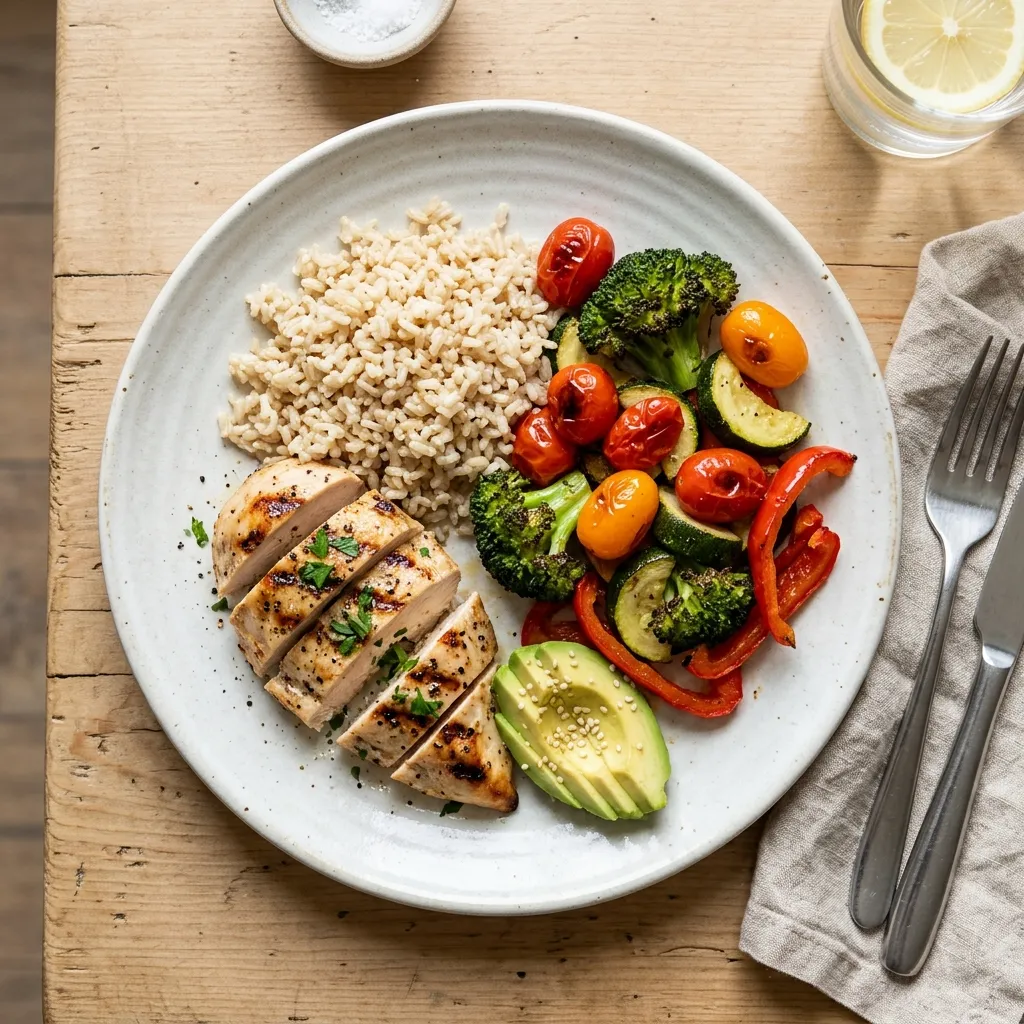
Food choices play an important role in weight management. A balanced eating routine provides enough energy and nutrients while helping you manage hunger and avoid unnecessary snacking.
You do not need to eliminate every food you enjoy. Instead, focus on the overall quality of your meals, appropriate portions and a routine that suits your lifestyle.
Read More: Intermittent Fasting for Beginners: A Simple Guide to Getting Started
Include Protein in Your Meals
Protein supports muscle maintenance, tissue repair and many essential functions in the body. Protein-rich foods can also help you feel satisfied after eating.
Suitable sources include eggs, fish, chicken, lean meat, lentils, beans, chickpeas, milk and yogurt. Tofu and other plant-based protein foods can also be useful options.
For example, breakfast might include eggs with whole-grain bread, while lunch could feature lentils, vegetables and a moderate portion of rice. Dinner might include grilled chicken or beans with vegetables and whole grains.
You do not need to eat the same foods every day. Choose a variety of protein sources that fit your budget, preferences and nutritional requirements.
People with kidney disease or certain other medical conditions may need individualized protein recommendations from a healthcare professional.
Eat More Vegetables and Whole Fruits
Vegetables and whole fruits provide fiber, vitamins, minerals and water. Many are relatively low in calories compared with foods that contain substantial amounts of added fats or sugars.
Vegetables such as spinach, carrots, cabbage, cucumber, cauliflower and broccoli can add volume and variety to meals.
Whole fruits, including apples, oranges, berries, guavas and bananas, can also be part of a balanced eating pattern. Fruit does not need to be avoided because it contains natural sugar.
Whenever practical, choose whole fruit more often than juice. Whole fruit generally provides more fiber and requires more chewing, which can contribute to satisfaction.
A useful approach is to fill a substantial portion of your plate with vegetables, add a source of protein and include an appropriate portion of rice, potatoes, bread, or another carbohydrate food.
Choose High-Fiber Foods

Fiber supports digestive health and can help meals feel more filling. It is found in foods such as beans, lentils, oats, whole-wheat bread, vegetables, fruits, nuts and seeds.
Increasing fiber gradually may help reduce constipation and support regular bowel movements. Drink enough fluids as you increase fiber intake.
Instead of replacing all your usual foods at once, try making practical substitutions. Choose oatmeal instead of a heavily sweetened breakfast cereal, whole-wheat bread instead of refined bread, or beans and lentils more frequently as part of your meals.
These adjustments can improve overall dietary quality without requiring a complicated diet plan.
Manage Portions Without Following an Extreme Diet
Even nutritious foods contribute energy, so portion sizes can influence weight management. At the same time, eating too little can leave you hungry, tired and more likely to abandon your routine.
A balanced plate can help you build meals without needing to count every calorie.
Try filling approximately half your plate with vegetables, one-quarter with protein-rich foods and one-quarter with grains or other starchy foods. Add a modest amount of healthy fat where appropriate.
This is a flexible guide rather than a strict rule. Your portions should reflect your energy requirements, hunger, activity level and any medical or dietary needs.
Pay Attention to Hunger and Fullness
Eating slowly can make it easier to notice when you feel satisfied. Try sitting down for meals, reducing distractions and taking time to enjoy your food.
You may also find it helpful to serve your portion on a plate rather than eating directly from a large package. This can make portion sizes easier to recognize.
Avoid treating hunger as something that must always be suppressed. Genuine hunger is a normal signal that your body needs energy. If your meals leave you persistently hungry, consider whether they contain enough protein, fiber and overall food.
Reduce Sugary Drinks and Excessive Liquid Calories
Drinks can contribute a significant amount of energy without providing the same level of fullness as solid foods.
Regular soft drinks, sweetened tea, energy drinks, sweetened coffee and large servings of juice may add substantial amounts of sugar to your daily intake.
Replacing some of these drinks with water or unsweetened alternatives can be a practical change.
If you enjoy tea, you can gradually reduce the amount of sugar you add. If you frequently drink soft drinks, try replacing one serving at a time rather than attempting to change every habit overnight.
Water supports normal body functions and helps prevent dehydration. However, drinking excessive amounts of water does not directly burn body fat and you do not need to force yourself to drink unusually large quantities to lose weight.
Choose Exercise That Fits Your Fitness Level
Physical activity supports cardiovascular health, strength, mobility and weight management. It can also improve mood and help you maintain muscle while losing weight.
You do not need an expensive gym membership to become more active. Walking, cycling, dancing, bodyweight exercises and home workouts can all contribute to a more active lifestyle.
The most useful exercise routine is one that you can perform consistently and safely.
Start With Walking

Walking is accessible to many people and can be adjusted to different fitness levels.
If you currently spend most of your day sitting, begin with short walks that feel manageable. You might walk for 10–15 minutes and gradually increase the duration as your fitness improves.
You can also add movement to your existing routine by walking during breaks, using stairs when appropriate, or taking a short walk after a meal.
The goal is to build a regular habit rather than immediately forcing yourself into long, exhausting sessions.
People with mobility limitations, significant joint pain, or medical conditions may benefit from professional advice about suitable activities.
Include Strength Training

Strength training helps maintain and develop muscle. This matters because weight loss can involve reductions in both fat and lean tissue, especially when calorie intake is severely restricted.
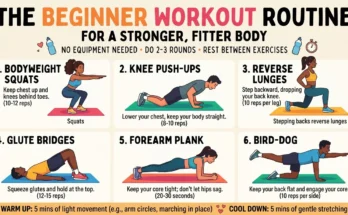
Beginner-friendly exercises may include chair squats, wall push-ups, resistance-band movements and modified lunges. Choose exercises that match your current ability and use controlled movements.
Start with a manageable routine and allow your body time to recover between challenging sessions. Gradually increase repetitions, resistance, or difficulty when the exercises become easier.
If you experience sharp pain, dizziness, chest discomfort, or unusual shortness of breath, stop exercising and seek appropriate medical advice.
Avoid Depending on Exercise Alone
Exercise can support weight loss, but it is only one part of the overall process.
It is easy to overestimate how much energy a workout uses and underestimate the energy in snacks, sauces, drinks, or large portions. Exercise trackers also provide estimates rather than perfectly accurate measurements.
Instead of trying to compensate for every meal with exercise, combine regular movement with balanced nutrition, adequate sleep and sustainable habits.
Improve Sleep and Manage Stress
Sleep and stress can influence appetite, food choices, motivation and recovery. When you regularly sleep poorly, you may feel more tired during the day and find it harder to maintain an exercise routine.
Many adults benefit from approximately seven to nine hours of sleep per night, although individual needs vary.
Establish a Consistent Sleep Schedule
Try going to bed and waking up at similar times each day. Reduce stimulating activities before bedtime, keep your sleeping environment comfortable and limit caffeine later in the day if it interferes with your sleep.
Avoid relying on late-night exercise or restrictive dieting to compensate for poor sleep habits.
If you regularly experience severe daytime sleepiness, loud snoring, or difficulty sleeping, consider discussing these symptoms with a healthcare professional.
Find Practical Ways to Manage Stress
Stress can affect eating patterns differently from person to person. Some people eat more when stressed, while others lose their appetite or forget meals.
Simple activities such as walking outdoors, talking with a trusted person, practicing slow breathing, or setting aside time for a relaxing hobby may help.
If you notice that stress frequently leads to eating when you are not hungry, try identifying the situation that triggers the behavior. You can then experiment with other coping strategies without labeling yourself as lacking discipline.
The purpose is not to eliminate every stressful experience. It is to build habits that make healthy choices easier during demanding periods.
Build a Weight-Loss Routine You Can Maintain
A successful routine does not need to be complicated. In fact, simple habits are often easier to repeat than strict plans that require major changes to your daily life.
Start by identifying the areas where small adjustments would be most useful. For example, you might eat breakfast more regularly, prepare lunch at home, walk during a daily break, or reduce the sugar in your tea.
Choose a manageable change and practice it consistently before adding several new responsibilities.
Plan Meals in Advance
Meal planning can help you make balanced choices when you are busy or tired.
You can prepare ingredients in advance, cook extra portions for another meal, or keep convenient foods such as boiled eggs, plain yogurt, fruit, canned beans and frozen vegetables available.
Planning does not mean every meal must be prepared from scratch. Convenient options can still fit into a healthy eating pattern.
If you have a limited food budget, build meals around affordable staples such as lentils, seasonal vegetables, eggs, beans, oats and locally available fruits.
Track Progress Without Becoming Obsessed
Monitoring your habits can help you understand what works for you.
Some people prefer weighing themselves under consistent conditions and reviewing the overall trend over several weeks. Others find it more useful to track walking sessions, exercise consistency, energy levels, or how comfortably their clothes fit.
Daily weight changes are normal. They can reflect water, digestion, sodium intake and other factors rather than fat gain or loss.
If tracking weight causes anxiety, compulsive checking, or unhealthy eating behaviors, choose another method or seek professional support.
Common Weight-Loss Mistakes to Avoid
Certain approaches can make weight management more difficult or create unnecessary health risks.
Skipping Meals to Lose Weight
Skipping meals is not automatically harmful for everyone, but using it to ignore hunger or severely restrict food can backfire. You may experience low energy, difficulty concentrating, or intense hunger later in the day.
A regular eating pattern that meets your nutritional needs is often easier to maintain.
Following Crash Diets
Crash diets typically rely on severe calorie restriction or the elimination of entire food groups. They can make it difficult to obtain adequate protein, vitamins, minerals and other essential nutrients.
Very restrictive diets may also increase the likelihood of regaining weight after the diet ends.
If you have a medical reason to lose weight quickly, ask a qualified healthcare professional about a supervised plan rather than attempting an extreme diet independently.
Expecting to Lose Fat From One Specific Area
Exercises that target the abdominal muscles can strengthen your core, but they do not selectively remove fat from your stomach. Similarly, exercises for the thighs or arms cannot guarantee fat loss in those specific areas.
Changes in body fat distribution depend on many factors, including genetics and individual physiology.
A combination of balanced nutrition, regular physical activity and strength training is more useful than focusing exclusively on one body part.
Comparing Your Progress With Other People
Weight-loss results vary considerably. Two people following similar routines may experience different changes because of differences in starting weight, body composition, activity, health conditions and other factors.
Online transformation photos may also reflect different lighting, posing, clothing, or time frames.
Focus on your own health, habits and progress rather than using someone else’s results as a deadline.
How to Handle a Weight-Loss Plateau
A plateau occurs when your weight stops changing noticeably for a period of time despite continued effort.
Some plateaus are temporary and reflect normal water-weight fluctuations. Over time, weight loss can also reduce your body’s energy requirements, meaning that a routine that previously produced a calorie deficit may no longer do so.
Before making major changes, review your habits over several weeks.
Consider whether your portions have gradually increased, your activity has decreased, or changes in sleep and stress have affected your routine. Check whether you are allowing enough time for normal weight fluctuations to settle.
If an adjustment is appropriate, make a small change rather than drastically reducing food intake or increasing exercise to an exhausting level.
Persistent difficulties may warrant guidance from a registered dietitian or healthcare professional, particularly if you have an underlying medical condition or take medications that affect weight.
When to Seek Professional Advice
Weight loss is not necessary or appropriate for everyone. Whether it would benefit you depends on your health, age, body composition and individual circumstances.
Speak with a qualified healthcare professional before beginning a weight-loss program if you are pregnant or breastfeeding, have diabetes, have a history of an eating disorder, take medication that affects blood sugar or appetite, or have another significant medical condition.
Children and teenagers have different nutritional needs because they are still growing. Restrictive weight-loss diets are not appropriate without suitable professional guidance.
If you experience persistent weakness, fainting, dehydration, rapid unexplained weight loss, or other concerning symptoms, seek medical evaluation rather than continuing to restrict your food intake.
A healthcare professional can help you determine an appropriate goal and develop a plan that supports your health.
Frequently Asked Questions
Can I lose weight fast without going to the gym?
Yes. Many people can improve their activity levels through walking, home workouts, cycling and other forms of movement. Balanced eating habits also play an important role. Your results will depend on your overall routine, health and individual circumstances.
What should I eat to support weight loss?
Choose a variety of vegetables, whole fruits, protein-rich foods, whole grains and appropriate portions of healthy fats. Foods such as eggs, lentils, beans, yogurt, oats, fish and seasonal produce can help create balanced meals.
No single food guarantees weight loss and you do not need to eliminate entire food groups unless medically advised.
Does drinking water help with weight loss?
Water supports hydration and may help when it replaces sugary drinks. Drinking water does not directly melt body fat and excessive water consumption can be dangerous.
Drink according to your needs, activity level, climate and any medical advice you have received.
Is it necessary to count calories?
Not necessarily. Some people find calorie tracking useful, while others prefer portion awareness, meal planning and consistent eating habits.
If calorie tracking becomes stressful or encourages excessive restriction, consider a different approach. People with specific medical or nutritional needs may benefit from individualized guidance.
Why does my weight change from day to day?
Daily changes commonly reflect fluid balance, digestion, carbohydrate intake, sodium consumption, hormonal fluctuations and other normal processes. A short-term increase does not automatically mean you have gained body fat.
Look at longer-term patterns instead of reacting to every change on the scale.
Can I lose belly fat with abdominal exercises?
Abdominal exercises strengthen the muscles around your midsection, but they cannot guarantee fat loss specifically from the belly. Overall changes in body fat depend on nutrition, activity, genetics and other individual factors.
How can I avoid regaining weight?
Focus on habits you can continue after reaching your goal. Maintain balanced meals, regular movement, adequate sleep and realistic expectations. Avoid treating weight management as a short-term challenge followed by a return to previous habits.
Conclusion
Learning how to lose weight fast starts with understanding that sustainable progress is more valuable than extreme short-term results. A balanced eating pattern, appropriate portions, regular physical activity, sufficient sleep and consistent habits can all support healthy weight management.
You do not need to change everything at once. Begin with practical adjustments that fit your daily life, monitor your progress over time and adapt your routine when necessary.
Most importantly, avoid crash diets and unrealistic promises. If you have medical concerns or need to lose weight rapidly for a health-related reason, seek professional guidance.
A steady, informed approach can help you work toward your goals while protecting your energy, nutrition and long-term well-being.